
Feather picking in chickens can be frustrating and sometimes alarming for chicken keepers. If you’ve noticed your hens pulling feathers from themselves or others, there are several possible causes. Here are the most common reasons and what you can do about them:
1. Could feather picking be caused by diet?
Yes—dietary deficiencies are one of the most common reasons chickens pick feathers.
-
Protein is often the culprit. Feathers (and eggs) require a lot of protein to produce. If a hen isn’t getting enough, she may begin eating eggs or feathers in an attempt to compensate.
-
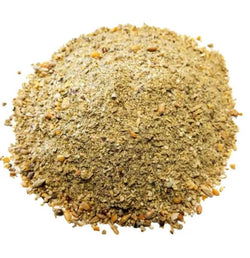
Feed matters. Commercial feeds are generally balanced for protein needs, but brands vary. You may want to try switching to a higher-protein feed (18% instead of 16%), or offering protein-rich treats like live or freeze-dried mealworms.
-
Treats can throw things off. Fruits and veggies are healthy in small amounts, but because they’re low in protein, too many can lead to feather picking.
-
Amino acids matter, too. Nutrients like methionine and cysteine are essential for feather growth. A deficiency can trigger feather picking, just like low protein. Allowing your hens more access to pasture can help, since they’ll naturally supplement their diets with bugs and greens.
Quick Fix: Reduce low-protein treats, add high-protein snacks, and consider a higher-protein feed.
2. Can boredom or lack of space cause feather picking?
Definitely. Even if their diet is balanced, chickens can get bored or cranky in cramped quarters.
-
Space requirements vary by breed. Some breeds are more tolerant of confinement, while others really need room to roam. If space is tight, feather picking may be one hen’s way of enforcing the pecking order.
-
Winter is a common trigger. When runs are barren or birds are cooped up more than usual, boredom often leads to picking.
-
Foraging helps. Expanding the run or giving access to a green foraging area can reduce feather picking significantly. It provides both entertainment and extra nutrition (bugs and plants).
Quick Fix: Increase run size, offer enrichment (like hanging cabbages or treat balls), and allow as much foraging as possible.
3. Could parasites be the problem?
Yes, external parasites like mites and lice can lead to feather loss and over-preening.
-
Where to check: Look closely under wings and around the vent, since these are common hiding spots.
-
What happens: Chickens may pick feathers due to the constant itchiness, or another bird may be “helpfully” trying to groom them—too aggressively.
-
Prevention: Providing a dust bathing area is key, since it helps birds naturally manage mites and lice.
Quick Fix: Examine your flock for parasites, treat as needed, and maintain a dust bath area.
4. Could feather picking just be a bad habit?
Sometimes, yes. Feather picking may start because of diet, boredom, or parasites—but once the habit forms, it can continue even after the cause is gone.
-
Some birds just can’t resist. Certain hens may target specific features, like feathered legs or crests, regardless of conditions.
-
Aggression or dominance can play a role. Occasionally, it’s just a matter of flock dynamics.
-
Breaking the habit can be hard. In some cases, separating the picker for a while may allow the flock to reset, especially if a new head hen takes over in her absence.
Quick Fix: If all else fails, isolate the feather picker for a time, and reintroduce her later. Sometimes the flock dynamic will shift and resolve the issue.
Final Note
Feather picking is often a sign that something in your flock’s environment or diet needs adjusting. It may take a little trial and error, but with attention to nutrition, space, enrichment, and parasite control, most cases can be managed.
And don’t worry if feathers don’t grow back right away—it takes time for regrowth once the problem is fixed!


1 comment
Good knowledge
———
My Pet Chicken replied:
Thank you for reading our blog! We are glad to hear that the information was helpful and informative!