How long can eggs be left outside once they've been laid before being refrigerated?
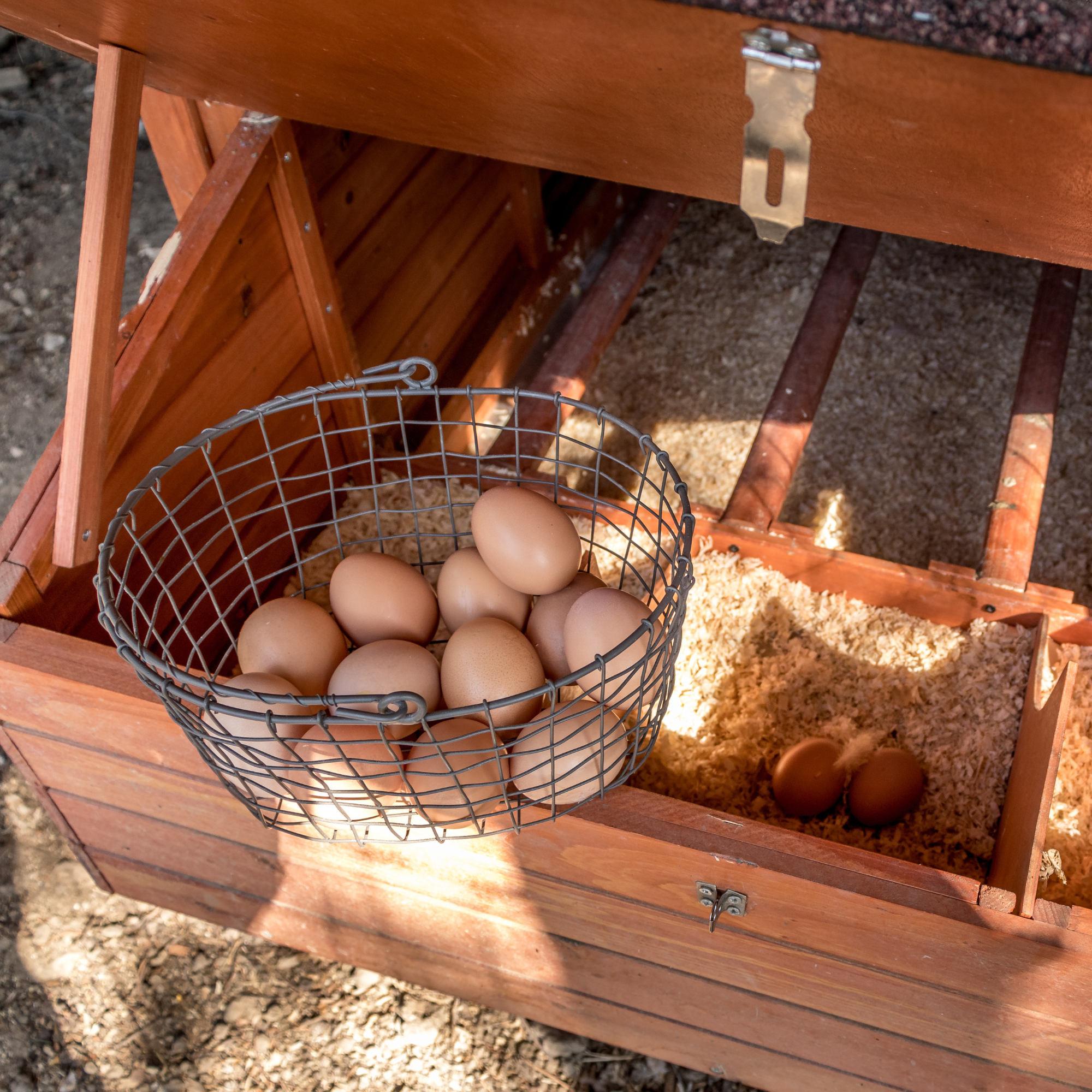
It’s best to gather your eggs daily and refrigerate them soon after collecting. That’s the simplest way to keep them at peak freshness. But here’s something that might surprise you: In the days before refrigeration, people regularly left eggs out without any problems!
Unlike milk, which spoils quickly when left out, eggs have a natural protective coating called the bloom that helps keep bacteria out. In fact, when a hen is building up a clutch to hatch, it can take her up to two weeks to lay all the eggs—yet even the first one stays fresh enough to hatch a healthy chick once she starts sitting on them.
That said, modern refrigeration is still a smart choice. Why? Because if any bacteria has gotten through the shell—especially if the egg is dirty—refrigeration slows that bacteria down, reducing the risk of spoilage and keeping your eggs tasting their best. Eggs left at room temperature will also age faster, even if they don’t technically go "bad."
If you're selling eggs, your state likely has regulations requiring refrigeration, so be sure to check those.
One more tip: even in cold weather, don’t leave eggs sitting in the nest too long. Freezing temps can cause eggs to crack, which means their protective shell is compromised—and that’s a waste of a perfectly good egg. It’s also a good idea to evaluate why your eggs might be getting dirty. Is the run muddy? Could the coop use a little fresh bedding?
Want to dig deeper? Mother Earth News did an in-depth study on storing eggs refrigerated vs. unrefrigerated, with fascinating taste-test results and long-term storage methods. Spoiler alert: they agree—refrigerated and unwashed eggs stay freshest longest.
Finally, remember: eggs don’t rot just from sitting outside. It’s bacterial contamination that causes spoilage. So by gathering clean eggs promptly and storing them properly, you're giving your flock (and your breakfast) the best care possible.