Frequently Asked Questions
Here we answer the most commonly-asked questions about ordering, chicken care, and more.
Can Chickens Eat Carrots?
Yes! Chickens can safely eat carrots, whether raw, cooked, or shredded. Carrots are packed with vitamin A, fiber, and antioxidants, making them a nutritious treat. Chickens can also eat carrot tops! To make raw carrots easier to eat, try shredding or cooking them. Just remember to feed them in moderation alongside a balanced diet. Your flock will love this crunchy snack!
Read MoreCan Chickens Eat Apples?
Yes! Chickens can safely eat apples, but be sure to remove the seeds, as they contain cyanide. Apples are a great source of vitamins, fiber, and antioxidants, making them a nutritious treat in moderation. Chickens can also eat the peels, but washing them first is best. Slice or chop apples into small pieces for easy eating, and watch your flock enjoy this crunchy snack!
Read MoreCan Chickens Eat Strawberries?
Yes! Chickens can safely enjoy strawberries as a sweet, nutritious treat. Packed with vitamins, antioxidants, and hydration, strawberries are a healthy snack in moderation. Both the fruit and leaves are safe to eat, but due to their sugar content, they should be fed occasionally. Offer them whole, sliced, or mashed for a fun and tasty treat your flock will love!
Read MoreCan Chickens Eat Tomatoes?
Yes! Chickens can safely eat ripe, red tomatoes, which are packed with vitamins and antioxidants. However, avoid feeding green tomatoes, leaves, or stems, as they contain solanine, a toxin harmful to chickens. Offer tomatoes in moderation as a refreshing treat, but don’t overdo it due to their acidity. Always remove any green parts, and your flock will love this juicy snack!
Read MoreCan Chickens Eat Bananas?
Yes! Chickens can safely eat bananas as a tasty, nutrient-rich treat. Bananas provide potassium, vitamin B6, and fiber, but due to their high sugar content, they should be fed in moderation. While banana peels are safe, chickens may not always like them unless chopped or mashed. Avoid overfeeding to prevent digestive issues. Treat your flock to small banana portions a few times a week for a fun and healthy snack!
Read MoreHow much feed should I give my chickens each day?
We recommend feeding "free choice"; that is, letting them eat as much layer feed as they want and leaving their feeder out at all times (although you may take it up at night if you like). Even if your chickens have access to pasture, free ranging simply supplements their diet. Chickens will eat as much food as they need to keep themselves healthy. Some breeds may be able to barely subsist in good weather by free ranging (although this is unlikely, as chickens are domesticated animals, not wild animals), but most will simply starve if you don't provide them enough...
Read MoreHow much does it cost to feed a chicken?
A basic estimate is that chickens will eat 1/4 pound per day per chicken. However, that estimate is based on the conditions commercial layers face in factory farm conditions and are not necessarily accurate estimates for backyard chicken keeping. They're estimates for high-production, economical producers of eggs in controlled conditions year-round, who may be highly stressed and who certainly have no access to pasture. Such estimates are probably not accurate for bantam or heritage breeds of chickens kept in backyard conditions. Chickens kept in hobby farm conditions have varying egg production based on breed and season, have varying sizes from...
Read MoreShould I give my chicks medicated feed or unmedicated feed?
Medicated feed is formulated for chicks to help them combat coccidiosis, a disease that is found just about everywhere in the environment. Most medicated starter feeds contain the medication amprollium. Amprollium does not *treat* coccidiosis, but it helps the babies fight off cocci oocysts while they develop their own immunity. It is a preventative. If your birds have been vaccinated against coccidiosis, feeding them medicated feed will nullify the coccidiosis vaccination, although it will not hurt them. (We do not offer the coccidiosis vaccine, as it is too stressful on the birds--we offer the Marek's vaccine, which is not affected...
Read MoreIs your breeder stock vaccinated for Marek's Disease?
Yes, we do vaccinate our chicken parent stock. They are vaccinated to prevent several different diseases, including Marek's Disease, Newcastle Disease, Infectious Bronchitis, Infectious Bursal Disease, Fowl Pox, Pigeon Pox, Laryngotracheitis and others.
Read MoreWhich breed of chicken is most predator resistant?
What are we talking about here--force fields? Body armor? No--unfortunately, no breed of chicken is "predator resistant." The only way to prevent predator attacks is to keep your flock in a secure run and coop at all times. Remember, too, that if you have a run that is NOT secure and a predator gets into it, your birds will have no means of escape. If they were ranging, they could run or fly away! Not so in a coop or run where they may be trapped with any hungry predator who gets in. It can help to keep a fierce...
Read MoreCan a hen can turn into a rooster?
No, but we can give you some background information and share the crazy way that rumor may have gotten started! It IS true that, if your hen has had some damage to her reproductive system (such as an infection in her ovaries), she might begin to look like a rooster on the outside---and act like one---due to a hormone imbalance! Such a hen wouldn't lay eggs, and may even begin to crow. At her molt, she may grow in the same plumage roosters have in her breed. If her infection or condition then cleared up, she might begin laying anew,...
Read MoreHow do I start my own small hatchery business from my home?
That's a complex question. If you would like to turn your home or farm into a hatchery and begin selling baby chicks to other people, we'd first recommend getting NPIP certification so you can be sure that your chicks are free of the worst diseases passed from hen to chick through the egg. We also recommend learning about biosecurity, so you can be sure your breeding flocks will remain clean. You want to be assured you're selling healthy birds to your customers. The next thing you might consider is to join one or more breed clubs for the breeds you'd...
Read MoreAre the color of a hen's eggs determined by the color of her earlobes?
Not exactly, although ear lobe color seems to be related to egg color most of the time. Breeds with white earlobes usually lay white eggs... except for Penedesencas and Empordanesas, which have white earlobes and lay dark chocolate colored eggs. Chickens with red earlobes usually lay eggs in shades of brown... except for breeds and varieties like Easter Eggers, Ameraucanas, and Araucanas, which lay blue or green eggs. Then there is the Silkie. The hens lay light brown or nearly white eggs, while their earlobes are blue. Check out my lobes! So ear lobe color is often related to---but not...
Read MoreHow do I decide between hatching fertile eggs and buying baby chicks?
In almost every case, starting your laying flock with baby chicks will be easier and less expensive than hatching fertile eggs at home. Don’t get us wrong — hatching at home can be a wonderful experience! But it comes with more risks and uncertainties than many beginners expect. The Reality of Hatching Eggs Fertile eggs (from any source) are never guaranteed to hatch. Shipping is hard on eggs, and with shipped eggs, the average hatch rate is about 50%. That’s just the average — sometimes it’s higher, sometimes much lower. You could do everything perfectly and still end up with...
Read MoreWhat's the best way to order a breed that always seems to be sold out?
We're sorry the breed you want is currently sold out, but yes---there is hope if you're diligent! It's the MUST HAVE white Silkie! Our website always has up to date availability information, because as orders are placed, our inventory of chicks is updated automatically every five minutes. Sometimes more availability dates can be added throughout the year due to updates to our flocks' expected egg production, or due to cancellations by other customers. This additional availability is usually added on Mondays and Tuesdays, so those are the best days to check for new dates. So, if out of stock status...
Read MoreHow do I help a chick that isn't eating or drinking?
Well, first remember that if you hatched these babies at home, chicks don't actually need to eat or drink for the first two or three days... so the fact that your home-hatched chicks aren't eating or drinking immediately isn't always a cause for concern. Strange but true. Hatching is hard work, and with the yolk that they have just absorbed to sustain them, sometimes they just take time to rest and recover. That said, if you've had chicks shipped rather than hatching them at home---or if your home-hatched chicks are a couple days old or seem weak---they will definitely need...
Read MoreMy chicks were delivered a day late by the post office. Will they refund me?
Unfortunately, no. USPS does NOT guarantee overnight Express delivery for live animals, as much as we would like them to. We agree: it seems a little crazy that the MOST important packages aren't subject to the same guarantees that much less sensitive packages have... but that is their policy. Even though the Post Office won't refund your postage, as a part of My Pet Chicken's 100% Live Arrival Guarantee, in addition to refunding the cost of lost chicks, we do cover shipping costs in some circumstances (out of our own pockets). Read details of our 100% Live Arrival Guarantee here...
Read MoreWhy do chickens lay different colored eggs?
Well, we can tell you HOW the different colors are made, but as to WHY the different colors are produced, there are just theories. There are guesses, but no one really knows for sure. It's intuitive to think that the colors and patterns of bird eggs should help provide camouflage for the eggs while they're in the nest. However, it's been problematic to show a relationship. For instance, one scientist, Gotmark, painted eggs different colors (brown, white, blue, spotted) and placed them in nests with varying degrees of cover, then kept track of which eggs suffered predation. The color didn't...
Read MoreIf I order straight run bantams, will I get a 50-50 mix, or do you use your extra cockerels as straight run?
We do not use sexed birds as straight run. (No hatchery we know of does that--how dishonest would THAT be?!.) It does not pay us to sex all our baby chicks--the services of a chicken sexer are expensive because it is such a specialized skill and takes so many years to learn. We sex enough baby chicks to fulfill orders for the sexed birds that week, and only those that are NOT sexed are used as straight run birds. Any extra sexed chicks will be used to substitute for the same sex of another breed that had a bad hatch...
Read MoreWhen will my chickens begin laying again in the spring?
Some chicken breeds lay year round (save when they go broody). One of our employees who's at a mid-latitude in the US reports that any girls who stop laying during the winter begin again regularly--and surprisingly precisely--on February 1 or 2, about halfway between the winter solstice and the spring equinox. If you live in an area where day length doesn't change much, your chickens may begin laying sooner (or never stop). If you live in an area where winter days are very short and cold, they may begin laying again later in the year. While it's the increasing light...
Read MoreHow can I keep my brooder warm during a power outage so my baby chicks don't die?
Power loss can happen at any time due to storms, fallen trees, traffic accidents, construction, lightning, and more. A prolonged power outage can be a real problem if you have baby chicks or waterfowl in the brooder and are depending on an electric heater to keep them warm. You don't want anything to happen to your babies, so it's important to be prepared in case the power goes out on you. Here are some ideas to help keep your chicks safe in the event of a power outage: Hot Water Bottles - One of our customers from Vermont told us...
Read MoreHow can I stop my rooster from pecking my hens?
Unless your rooster is causing the hens injury, pecking hens on their backs and heads is actually no cause for concern. It is courting behavior. He pecks them on their backs or heads as a signal that he would like to mate. With enough hens for each rooster present--we normally recommend 10 - 12 hens to one rooster--you shouldn't have any trouble with his over-breeding the hens, although it's still possible he might develop a favorite or two. When a hen gets pecked like that, if she is ready to mate, she will squat down so she can be mounted....
Read MoreAll about Coccidiosis disease
Coccidiosis is very common in chicks, especially ones that may be stressed from shipping or from being introduced to a new location. You can help by keeping your chicks as stress-free as possible, and by keeping their brooder dry. Some people choose to use medicated feed to combat susceptibility to this disease while the chicks develop a resistance, while others use regular feed and have no trouble with cocci. We discuss medicated feed and more, below: Coccidiosis Also called Cocci Prevalence Very common Signs General signs - Loss of appetite, weight loss or stunted growth, ruffled feathers, lethargy, and (for...
Read MoreI plan on vaccinating my chickens. Is there anything else I can do to prevent my flock from getting Marek's disease?
In order to prevent the symptoms of Marek�s disease from affecting your flock, we highly recommend getting your baby chicks vaccinated at hatch. Chicks should be vaccinated as soon as possible after hatching because the vaccine is not effective when given to chicks already exposed to Marek�s disease. In order to increase the effectiveness of the vaccine, keep your chicks indoors and away from all other birds until the chicks are 14 days old, at which point the vaccine will have started to take effect.The symptoms of Marek�s occur more frequently in chickens that are stressed. Some types of stress...
Read MoreMy chicken cannot walk. Does she have Marek's disease?
Lameness is a very common symptom of Mareks� disease, but there are many other conditions that can also cause paralysis or lameness in your chicken. Nutritional Deficiencies, such as rickets, vitamin E deficiency, and vitamin B1 or B2 deficiencies can cause problems that may mimic some of the symptoms of Marek�s disease. Botulism and certain poultry diseases such as Encephalomyelitis, Aspergillosis, or Lymphoid Leukosis can cause paralysis in chickens. If you have a bird showing symptoms of any illness, quarantine her right away, and have an avian vet diagnose her.
Read MoreMy hen was vaccinated for Marek's disease as a chick, but I still lost her to this illness. How could this have happened?
Marek's disease is very common and will eventually end up in most backyard flocks, whether or not the flocks have been vaccinated. It's strange but true! The Marek's vaccination helps prevent some of the most severe symptoms of Marek's disease, but does not prevent the actual transmission of the virus. The vaccine is very effective, but not 100% foolproof, which means a small percentage of vaccinated chickens might still succumb to the symptoms and die. Since the Marek's vaccination prevents tumors in over 90% of vaccinated chickens who are exposed to Marek's, we highly recommend getting your chicks vaccinated at...
Read MoreWhy do my hens stop or almost stop laying in the late fall and winter months?
A chicken's reproductive cycle begins with her eyes, or possibly in her skull or even her skin, as one NC State extension article stated: The major environmental cue for control of reproduction is day length. Reception of light for reproductive purposes by the pullet is not primarily through the eyes but rather by the light energy penetrating the skull, skin and feathers and then perceived by an organ within the brain. My brain, you say? Light cues tell your chicken's body whether to release a yolk from her ovaries that will be turned into an egg. Even if the winter...
Read MoreIs it ever okay to help a chick out of the shell?
Generally speaking you will NOT want to intervene in the hatching process when incubating fertile eggs. If conditions in the incubator are right, it can take 24 hours for a chick to escape the egg after it has pipped, and that's perfectly natural and not a cause for concern. Often it takes much less time, but 24 hours or so is fairly common, too. If it's been more than 24 hours since the chick first pipped and you have had problems maintaining a high enough humidity during incubation, the problem may be simply that the chick is stuck to the...
Read MoreIs it true that modern, purebred chickens can't hatch their own eggs?
No, that's not true. First, broodiness is not tied to whether a chicken is purebred or not. Broodiness depends more on a chicken's breed, her genetic background. For instance, Rhode Island Reds very seldom go broody. Leghorns and other Mediterranean breeds are very unlikely to go broody, too, because not going broody very often is just a characteristic of those breeds. Other breeds may go broody very frequently--too frequently, some people find! For instance, orpingtons and silkies often seem to be broody most of the time. Second, as for "modern" breeds being less likely to brood, that's not true, either....
Read MoreAll about Avian Encephalomyelitis disease
Avian encephalomyelitis (AE) is a neurological disease that causes symptoms that are similar to many other diseases. Some improper flock management practices (including incorrect use of supplements or nutritional deficiencies) can also lead to comparable symptoms, so you may need a veterinarian to provide a firm diagnosis. There is no treatment for the virus that causes AE, and while birds that recover do not continue to be lifelong carriers of the virus, their egg laying frequency will likely be diminished. There are steps you can take to reduce your flock's risk of spreading the disease among itself. Read on to...
Read MoreAll about Mycoplasma disease
Mycoplasma may exhibit mild symptoms in chickens, but once they have it, they can be carriers for life. While mycoplasma is deadly in turkeys, in chickens, it can reduce laying frequency in your flock and be passed from the mother hen to the chick in the egg. This is a reportable disease that really demands a veterinarian's expert diagnosis and treatment plan. Read on to find out more: Mycoplasmas Also called There are several mycoplasmas, which are variously known as Mycoplasma gallisepticum, Mycoplasma synoviae, MG, Chronic Respiratory Disease, Infectious sinusitis (in turkeys) Prevalence Common in large commercial laying or meat...
Read MoreAll about Coryza disease
Coryza is the chicken equivalent of the "common cold" - but interestingly enough, colds in humans are caused by viruses, while coryza is caused by a bacteria in chickens. Thankfully, this disease is rarely fatal, and chickens recover from it within a matter of weeks. But it can look like many other respiratory diseases, so you will want your vet to diagnose any ailing members of your flock to be sure you're treating them correctly. Read on for more information about this common chicken ailment: Coryza Also called Cold, Infectious Coryza, IC, Roup Prevalence Common Signs General signs - Loss...
Read MoreAll about Crossed Beak in chickens
When you see a chicken with cross beak, you know it! Cross beak is exactly what it sounds like: a chicken's beak is "crossed," or the top and the bottom don't match up exactly when the bird's mouth is closed. While this may cause great concern for the chicken-keeper, thankfully, in most cases, the bird can go on to live a relatively normal life. Keep reading to find out more: Crossed beak Also called Cross beak, scissor beak, scissors beak, crooked beak, lateral beak deviation Prevalence Common Signs General signs - Easy to identify: when a chicken�s beak is or...
Read MoreAll about Splay Leg, a.k.a. Spraddle Leg
Spraddle leg, also called "splay leg," can be caused or exacerbated by brooding on a slick surface such as newspaper. (We recommend these types of bedding, instead.) It's as if the chick is trying to stand upright wearing roller skates: her feet keep sliding out from beneath her. Alternately, some cases are caused by the bird being poorly positioned in the egg, or by various vitamin deficiencies. Signs of Splay Leg In serious cases, the chick is (or gosling or duckling) is unable to stand up; legs point to either side of the body rather than beneath the body to...
Read MoreWhat is a pasty vent, and how do I treat it?
A pasty vent, or "pasting up," "pasty butt," or "vent gleet," is a stress-induced condition in which droppings dry and cake up around the vent of young baby chicks. It is most dangerous when it completely blocks their vent opening, because the chick will be unable pass any more droppings. A baby chick will typically die within 2 days of onset of a blocked vent, so it's important that you remedy this problem quickly. Diagnosis A pasty vent is easy to diagnose. The dried poo will be stuck to the outside of their rear, totally or partially covering their vent:...
Read MoreAll about Pullorum disease
Watch out for Pullorum Disease! Not only can it infect your flock, it can also make humans sick, too. If your flock becomes infected, you will likely need to euthanize them all to keep this highly communicable disease from spreading. Read on to find out more: Pullorum Disease Also called PD, Bacillary White Diarrhea, BWD, White Diarrhea Prevalence Rare Signs General signs - In chicks: lack of appetite, lethargy, huddling near heat source and fluffed up down. Pain and shrill peeping during defecation. In hens, excessive thirst, shrivelled comb, drop in laying. Cardinal or diagnostic signs - White or green...
Read MoreAll about Omphalitis disease
Imagine a belly-button infection--that's basically Omphalitis. Developing or newly-hatched baby chicks are susceptible to infection of their navels if incubator or brooder conditions are not ideal, or the infection is spread by a well-meaning human. Read on to find out more about this disease and how to prevent it: Omphalitis Also called Navel infection, mushy chick, yolk sac infection Prevalence Common Signs General signs - Lack of appetite, lethargy, huddling near heat source and fluffed up down. Chicks may also die in shell late during incubation. Loose stools may also be a symptom. Cardinal or diagnostic signs - Unhealed, swollen...
Read MoreAll about Heart Attack in chickens
Heart attack in chickens is quick and deadly, and occurs most often in birds in commercial meat breed operations. Fortunately, heart attack is not often found in backyard flocks because pet birds stay generally healthy through regular exercise (foraging), and are fed a quality diet. But if you find one of your birds upside-down or on their side, deceased, with no prior symptoms, the likely cause of death was heart attack. Read on to find out more: Heart attack Also called Sudden Death Syndrome, SDS, acute death syndrome, flip-over disease, acute heart failure Prevalence Uncommon in layers, relatively common in...
Read MoreWhat is the nutritional difference between the eggs I can get at a grocery store and eggs my hens lay at home?
Wouldn't it be nice if you could get such good eggs in the grocery store? Until things change, though, most people really can't. Studies show that eggs laid by hens raised on pasture--in other words, hens who have access to a yard or run where they can forage--have less fat and cholesterol, and more healthy vitamin A, vitamin E, beta carotene and omega-3s. A follow-up study confirms the findings, and shows additionally that pastured hens also lay eggs with increased vitamin D--three to six times more! By contrast, eggs you get in the grocery store are typically laid by hens...
Read MoreEgg Yolk Peritonitis Overview
Egg Yolk Peritonitis Also called Yolk peritonitis, yolk stroke, abdominal sepsis, abdominal septicemia Prevalence- Common, more common in broiler breeders Signs General signs - The same signs associated with pain: lack of appetite, lethargy, huddling with fluffed up feathers. Occasional partial paralysis. Sudden death. Nesting behavior with no eggs produced. Cardinal or diagnostic signs - Distended abdomen, frequent multiple yolked eggs. (The occasional double yolker should seldom cause worry, especially in young hens.) Cessation in laying. Yellow-orange (yolk colored) droppings. Cause/s - This condition occurs when the hen matures too many egg folicles (yolks) at once, and is sometimes the...
Read MoreHow do I help a chicken with vent prolapse?
Also called "blowout", vent prolapse is a condition in which the vent becomes inverted and a portion of it protrudes outside the bird's body. Thankfully, in most cases, it is treatable if detected early and the bird can recover completely. Vent prolapse is common in some breeds and crosses, especially those prone to fatness (such as meat breeds). Vent prolapse itself is not contagious, but the underlying issues causing the prolapse (obesity, photostimulation, etc.) can be. In addition, birds prone to cannibalization of a flock member's prolapsed vent may develop other types of cannibalization, like feather picking. Vent prolapse is...
Read MoreAll about Egg Binding
Egg binding is exactly what it sounds like: a poor hen has a egg "bound" inside of her and won't come out. That must make her feel miserable! So she'll sit down and fluff out her feathers, hesitant to move (who can blame her?). Egg binding is very common and though potentially fatal, thankfully, in many cases, it can be treated. Read on to find out more: Egg binding Also called Eggbound hen, stuck egg, bound egg, obstructed vent Prevalence Common in some breeds and crosses, especially those prone to fatness (such as meat breeds) Signs General signs - Lack...
Read MoreAll about Myiasis disease
Myiasis Also called Flystrike, fly blown Prevalence Infrequent. It is more common in other animals such as sheep or horses. Signs General signs - Fatigue, weakness, ruffled feathers, depression, unpleasant odor, loss of appetite, wound area picked at by other birds,death Cardinal or diagnostic signs - Maggots found on the skin or in a wound Cause(s) Flies normally lay eggs in rotting or fecal matter. Some types of flies can infest wounds or skin lesions on chickens (and other animals), or can be drawn to lay eggs in fecal matter embedded in the bird's feathers, such as near the vent....
Read MoreAll about VVD disease
VVD disease produces twisted leg bones due to nutritional deficiencies or overly-fast weight gain in "broiler" breeds. Thankfully this is rare in backyard flocks that are fed a balanced, nutritionally complete diet, but it is more common in commercial broiler flocks. Read on to find out more: VVD Also called Varus/Valgus Deformity, Twisted leg, Crooked leg Prevalence Rare in home flocks; common in commercial "broilers" Signs General signs - Leg bone is bent or twisted (not broken). Cardinal or diagnostic signs - Be sure to differentiate this from a leg that is twisted at the joint; in VVD, the bone...
Read MoreAll about Botulism in poultry
Chickens seem to be able to ingest just about anything, don't they? But if they contract the Clostridium botulinum bacteria while foraging or by eating contaminated feed, they can get botulism, which is also known as food poisoning. Butulism is more or less dangerous, depending on how much of the contaminated food they ingested. Thankfully, this issue is rare, and there are steps you can take to protect your flock. Read on to find out more: Botulism Also called Food poisoning Prevalence Infrequent Signs General signs - Fatigue, weakness, ruffled feathers, diarrhea, sudden death Cardinal or diagnostic signs - Neurological...
Read MoreAll about Aspergillosis disease
Keeping your brooder and coop area clean and dry is essential if you want to protect your precious baby chicks and older birds from aspergillosis. Also known as "brooder pneumonia," baby chicks are especially vulnerable to the symptoms produced by the spores of the Aspergillus fungi that may grow in your brooder if it fluctuates between wet and dry conditions. Keep reading to find out more: Aspergillosis Also called Pneumonia, coop or brooder pneumonia, mycotic pneumonia, pneumomycosis Prevalence Infrequent Signs General signs - Respiratory symptoms, including discharge from nares (nostrils) and/or eyes, loss of appetite, coughing, panting, gasping for air,...
Read MoreCan I give my chickens moldy bread, moldy leftovers or moldy feed?
No, your chickens should not eat anything with mold on it. Just as moldy or rotten food can make you sick, it can make them sick. Sharing some leftovers you don't want with your chickens is a good idea (in moderation). We often give our chickens leftovers there aren't enough of to bother keeping... but they must not be moldy or rotting . Stale bread can be okay, although it probably won't have it's full nutritional value... but mold? No. Certain types of mold can be quite dangerous. The same goes for their regular chicken feed: if you see mold,...
Read MoreShould I give my hens vegetarian feed?
Should I give my hens vegetarian feed? |You have probably seen labels on grocery store eggs claiming they have been laid by "vegetarian-fed hens," so is this something you should be looking for with regard to your own hens' feed? Well... yes. And no. Sort of. But not really. Got it? No? Well, let me explain. NO, you don't want to restrict your chickens to vegetarian food in that chickens are omnivores. They eat mice, frogs, snakes, lizards, grasshoppers... basically any creature small enough to swallow, and occasionally some creatures just small enough to kill and eat in pieces, like...
Read MoreWhat treats taste best to chickens?
Chickens LOVE treats, and they have their own individual tastes and preferences, of course. But we hate to break it to you: they have almost no taste buds, so their preferences are probably not based primarily on fine taste nuances. Humans have around 10,000 taste buds, while chickens have a maximum of only around 350 taste buds. They don't have any receptors for capsaicin (spiciness), and have a good tolerance for sour, although they're attracted to neither bitter nor sweet nor salty. And in fact, the taste buds of a chicken are located so far back on the tongue that...
Read MoreHow can I tell if my hens' eggs are fertile?
Crack a fresh, unincubated egg into a bowl in good light. If you have sharp eyes, you will see that a fertile egg has a faint bullseye, the fertilized blastoDERM, on the yolk, while for an infertile egg, it will just be an irregular spot, a blastoDISC. If you don't have sharp eyes you might make use of a magnifying glass--or ask someone to help. Remember to check the bottom of the yolk; sometimes the way your egg lands in your dish will make the bullseye difficult to see. Illustration by Ray Yang for My Pet Chicken There's a problem,...
Read MoreAre there any special secrets to help my chickens stay warm in the winter?
Secrets? No. Tricks? A few, maybe. First of all, take a few moments to review the 8 things you SHOULDN'T do for your chickens in cold weather. You can read some more in the "related questions" below, too. (Here is a hen happily foraging in below-freezing temps!) You'd be surprised at how well chickens do in the cold when allowed to acclimate over time, with the changing seasons. That said, if you live in the mountains of Vermont or Colorado, or in bitter Minnesota or North Dakota where temps are regularly in the single digits, some folks like to help...
Read MoreWill chickens help eat ticks and mosquitoes in my yard?
Chickens love to eat mosquitoes and ticks--that's great news! But if you keep chickens, will that mean you can dump your other bug protection methods? Probably not, but your chickens will certainly help! Ask yourself: if you spent all day swatting mosquitoes one or even a few at a time--and even if you were GREAT at hunting them down--would your yard suddenly be free of mosquitoes? That's doubtful. Mosquitoes will just fly in from your neighbor's yard. They don't know a whole lot about property lines. If your neighbor has a wet spot where they breed--even just puddle beneath a...
Read MoreAll about Lymphoid Leukosis (Avian Leukosis) disease
All about Lymphoid Leukosis (Avian Leukosis) disease|caLymphoid Leukosis is a tragic disease that affects a chicken's liver and can cause a painful death. Because of that, humane euthanasia is usually recommended to ease the suffering of poor birds that contract this illness and to help prevent the spread of the disease to other members of the flock. You'll definitely want to consult with a veterinarian if you suspect a member of your flock has this disease. Read on to find out more: Lymphoid Leucosis Also called Liver cancer, Liver disease, LL Prevalence Common Signs General signs - Fatigue, weakness, ruffled...
Read MoreWill all of my blue chicks actually be blue?
Depending on which chicken breed and color you order at My Pet Chicken, some will be guaranteed to be all Blue, Black, or Splash. At the same time, others will be hatched and sold as mixed flock colors including blue, black, and splash. How do Chickens get Blue Feathers? When a blue rooster and a blue hen reproduce, even though they're both blue, they only pass the blue gene to about half of their offspring. About 25% of their offspring will be black... and the last 25% or so will be splash. Blue: The genes for "blue" are actually more...
Read MoreHow do I calibrate my hygrometer?
Hatching fertile eggs can be such a fun adventure! To increase your chance of a successful hatch, you may want to plan ahead and calibrate your hygrometer/thermometer. One of the most common problems during hatching is incorrect humidity and temperature in the incubator. Even a new hygrometer may not be properly calibrated, so it is better to check your equipment before starting a batch of eggs. To calibrate your hygrometer: Mix 1/2 cup of salt and 1/4 cup of water in a coffee cup or other small container. It will be a thick mixture. Put your thermometer/hygrometer into a large...
Read MoreWhat is an apron fence, and why is it helpful?
An apron fence is a fence that helps to keep out digging predators. But it isn't normally a special type of fence that you buy; it's more of a special way to install your fence. You can install a dug apron fence or a bent apron fence. For a dug apron fence, you might bury a foot or so of your fence in the ground... so if you buy a six foot fence, one foot of it would be buried, and the fence would be five feet high. When a predator like a rodent, dog, or fox tries to dig...
Read MoreHow do I keep my run from becoming muddy?
Depending on where you are in the country and how your coop is sited, you may occasionally have problems with mud in the run. There are worse things than a little mud from time to time, but if your chickens have no place to escape a mucky run, that means they are pooping in the mud, walking in the muddy poop, foraging in muddy, poopy soup... so ick. That is a formula for illness, and that fertile muck is a perfect place for bad things to grow: coccidia, worms---and worse. They definitely prefer a green pasture to a mud pit....
Read MoreWill a broody hen starve herself to death on the nest?
It's unlikely she'll starve, but even so, it's not unheard of for a hen to die on the nest. Remember, even when they're broody, they do get off the nest to eat and drink (often this happens at night, when you may not see it). After all, it wouldn't do momma hen or her chicks-to-be any good if she starves herself to death. But her instincts are designed so that she gets broody for about 21 days, the amount of time it takes for her eggs to hatch. However, in a backyard setting, her eggs may not even be fertile---or...
Read MoreWhy is it necessary that my chickens have grit?
Scarce as hens' teeth." Have you ever heard that expression before? Of course, chickens don't have teeth... and that's a problem, since their diet consists of grains, seeds, grasses, insects and other things that need to be chewed. Nature solved this problem by giving chickens a gizzard where their food is ground up. But they sort of digest it backwards, at least from our perpective. We chew food and then it goes to the stomach. They get it to their stomachs and then chew it. Weird, right? Here's how it works: When chickens swallow food, it first goes into their...
Read MoreWhat is the deep litter method of coop bedding management, and how does it work?
The traditional way to manage bedding in the coop is to put a light layer of bedding down--for bedding recommendations, see the related questions below--and then change out the bedding once a day or once every few days. (How often you'll have to clean depends on how many chickens you're keeping in how much space.) It's pretty straightforward; you more or less clean it like a cat litter box. By contrast, in the deep litter method, you start with five or six inches of organic, compostable bedding such as pine shavings, and then simply add new bedding on top to...
Read MoreHow much space should my chickens have inside their coop?
A chicken coop is any structure in which your chickens shelter. In most areas of the country, a chicken coop is an enclosed space, but in warmer areas many people use a three sided coop to make sure it doesn't get too hot inside (the last side of the coop is usually secured with something like welded wire hardware cloth). A coop can be made of plastic, wood, metal or fiberglass. It can be made of recycled pallets, or it can be a re-purposed playhouse. It can be built by hand or purchased. Chicken coops usually contain nests for laying...
Read MoreIf I'm interested in getting started in keeping backyard chickens, where do I begin?
If you're longing to keep pet chickens, sometimes it's hard to even know where to begin your exciting chicken adventure. We're happy to help you get started with some helpful resources! First you might be interested in our glossary, just in case you're not familiar with common chicken terms. That glossary will help you as you read through the other resources we have for you. For instance, we have two free ebooks online, one on Chicken and Chick Care that is essential, and one on hatching eggs at home, that you'll want to read through if you plan to hatch...
Read MoreAll about Ascites disease
If your bird has a large, reddish, swollen belly and but otherwise looks bluish, along with having respiratory issues like a cough, it's possible she has Ascites. Finding out the exact cause of the issue and the correct treatment will require the assistance of a qualified veterinarian. In many cases, providing a healthy environment for your flock can help protect them from ascites, so make sure you're doing that! Read on to find out more: Ascites Also called Pulmonary hypertension syndrome, waterbelly, fluid retained in abdomen Prevalence Uncommon, more common in meat-type breeds and varieties Signs General signs - Lethargy,...
Read MoreHow many chicks must I purchase to meet the minimum order during the winter months?
We want to make sure your chicks arrive safe and sound. Most of the year, your smallest minimum order could be as low as only three chicks (based on your location and on how quickly the post office tells us your package will arrive), but during the winter months, your minimum order will be significantly higher in order to make sure the chicks stay warm and safe. The minimums in winter is just 8 chicks.
Read MoreCan I feed my chickens black oil or striped sunflower seeds?
Sunflower seeds are a good treat for your chickens. They're widely available, chickens typically love them, and for a treat, they're quite nutritious. They contain methionine, for example, an important amino acid for birds. There is lots of vitamin E, too! And their high magnesium content is also a benefit for your flock's calcium metabolism and smooth muscle tone, both important in laying. But there are a couple different kinds of sunflower seed. Does it matter what kind of sunflower seed you offer your chickens? There are a few differences between striped and black oil sunflower seeds. Most particularly, black...
Read MoreCan I give my chickens wild birdseed mix?
Birdseed mixes are usually too high in fat and too low in vitamins (especially when the mixes are high in millet and cracked corn) to meet the long-term nutritional needs of a laying flock. They're also way too low in calcium. Remember, modern domestic chickens lay lots of eggs year-round, while wild birds may lay only a few eggs a year, seasonally. So seed mixes designed for wild birds just won't make a good, well-balanced diet for your flock. Still, as an occasional treat, your chickens will love it! And many seeds are high in SOME vitamins and amino acids...
Read MoreWhy do chicken combs look so different from one another, and what is a comb?
A comb is the fleshy (usually) red erectile tissue on top of a chicken's head. Different breeds have different combs. There are a few main comb types. A single comb is probably what you think of when you think of a chicken's comb. It has a single row of spiky fingers sticking up from a "blade." But all single combs are not alike. Some can be large and others quite small. Not only does it vary by breed, but it also varies by individual.This is why the size of a comb is not a good way to tell roosters from...
Read MoreHow much water do chickens drink per day?
Are you going to need to refill your chicken waterer once a day... or once a week? You might be wanting to plan ahead for what size waterer you'll need for your new backyard flock. If you're thinking about this already, good for you! You'll be much happier if you've thought everything through and planned everything out, first. To choose the right waterer for you, it can be helpful to have a rough idea about how much your birds will drink. That said, many things will affect how much your flock will drink: larger birds will drink more. Birds not...
Read MoreThere are so many different terms for chickens--juvenile, cockerel, pullet, chick, hen, rooster, peep, biddy, started pullet, point-of-lay pullet, broody, brood, flock---what do they all mean?
There ARE a lot of different terms for chicken, aren't there? It can be a little confusing, especially when you're just starting out. So let's define these terms. Male and female chicken terms Hen, rooster, roo, capon, chicks, peeps: You probably know the terms "hen" and "rooster," which refer to female chickens and male chickens respectively. "Roo" is just short for "rooster," and "capon" refers to a neutered rooster. What you may not know is that we don't normally refer to young chickens or chicks by those terms. A baby chick is not a hen or a rooster. "Hen" and...
Read MoreHow do I introduce my new chicks to other young chicks in the brooder?
Introducing new hens to an established flock can be tricky (see how to do that in the related questions below)---but luckily it's much easier to introduce chicks to chicks than it is adult chickens to adult chickens! This is because the drive to establish a pecking order doesn't start for a few weeks in baby chicks--usually not until they're 6 or more weeks old. Make sure you're getting chicks from an NPIP source like My Pet Chicken. If you're concerned about communicable illness due to either the source of the chicks or environmental factors (such as exposure en route), consider...
Read MoreHow do I handle a flighty chicken?
If the hen you need to handle runs from you every time you get near, what do you do--chase her around the yard and see who gets tired first? Well, you can try. But we don't recommend it. Your chickens can fly out of reach, after all. Then what are you going to do? Plus, there's just a much easier way. The easiest way to pick up a chicken who doesn't normally allow herself to be picked up is to simply wait until she settles down at night, and pick her up off the roost while she's sleeping. You'll want...
Read MoreCan I keep an indoor pet chicken, or do I need a coop and run outside?
Sometimes people get the idea to keep an indoor pet chicken, or a "house chicken." It's not a good idea to keep them permanently indoors, though. Chickens are happiest when they have access to the outside. While we do sell chicken diapers, those are really meant to give you a way to keep your chicken temporarily inside. You may need to keep your chicken inside temporarily if you have someone who is injured and needs time to recover. But you don't want to keep chickens inside the house permanently; indoor pet chickens are just a bad idea. Firstly, it will...
Read MoreMy chick's toes are all curled up--what's wrong with her?
Sometimes a chick will develop or hatch with a condition called curled toes or curly toes in one or both feet. Illustration for My Pet Chicken by Ray Yang It's possible that she has injured a foot--sometimes this can occur while she's in the egg as she's trying to position herself correctly for hatching. Sometimes the injury might occur after she's hatched. It can also be that she's suffering from a riboflavin deficiency, either from a deficient diet in the hen that laid her egg, or because she is not consuming enough herself. Another possibility, especially with at-home artificial incubation,...
Read MoreWhat's the difference between Breeds, Designer Chicken Breeds, and Varieties of chicken?
Let's talk about Designer Chicken Breeds, Breeds, and Varieties, so you'll understand the differences in terminology. Designer Chicken Breed There are two main differences between Designer Breeds and real Breeds: Designer chicken breeds will not breed true, and they are not American Poultry Association (APA) recognized. Not recognized A Designer chickens such as Favaucanas are not an APA-recognized chicken breed, the same way a Goldendoodle---crossing a Golden Retriever and a Poodle---is not an American Kennel Club (AKC) recognized dog breed. That is to say: they are recognized in the sense that you've probably heard of them, but Favaucanas and Goldendoodles...
Read MoreWhat are frizzles, sizzles, and frazzles?
Frizzles and sizzles are not breeds of chickens so much as they are words describing three very showy feather types that chickens can exhibit. Most pet chicken aficionados, for example, know what Silkies are. They are a breed of chicken with a feather type that is lacking in the barbicels that help the feather keep its tidy shape. So, silkie feathers end up looking very much like fur--and their feathers feel a lot like fur, too! The Silkie chicken breed is named after its feather type. This White Silkie is showing off her unique feather type. There are other unusual...
Read MoreHow long do I have to keep my chicken quarantined after treating for an illness or infection?
There is not a single answer to that question--it will depend on what your bird has been treated for. For instance, once you've treated for mites and your bird is no longer infested, it's safe to end the quarantine immediately. However, other illnesses like Coryza, even when the bird has recovered s/he may remain symptom-less carrier... a Typhoid Mary for your flock. Other illnesses may fall somewhere in between, with birds remaining infectious for some period of time but not forever. So when you consult with a veterinarian, make sure to ask this key question about your bird's particular diagnosis....
Read MoreCan't I just mix my own chicken feed at home?
Yes, you CAN mix your feed at home. But that said, it's not very easy or inexpensive, as people who ask this question often seem to assume. For most people with small backyard flocks, purchasing a balanced base feed is much, much easier than buying 5 or 10 separate ingredients in bulk quantities of hundreds of pounds and blending them yourself. Do you have space to store all that safely? Will you use it up before it spoils? Do you want to spend a bunch of time mixing feeds? For most people, the answer is no. It's also a big...
Read MoreWhat do I need to know about bears if I keep chickens?
Name: Bear Ursidae Description: Large mammals, most species are omnivorous. (Polar bears are mostly carnivorous, while pandas are mostly herbivores.) *Most bears weigh between 200-300 lbs, but some species can weigh as much as as much as 1,700 pounds. Distribution/Habitat: Found widely throughout the world. They tend to frequent more secluded places. While you may see occasional reports of bear incursions into towns, these are usually short-term visits where the bears are getting into garbage cans for scraps, for instance. Make sure to keep any food waste or garbage as secure as possible to avoid attracting any wild animals--not just...
Read MoreWhat does "straight run" mean?
Straight run chicks are an "as hatched" mix of male and female chicks. Over large numbers (hundreds or thousands), the hatching ratio of straight run orders averages out to be a 50-50 mix, but with small orders the ratio can vary considerably. For instance, if you were to order eight straight run chicks, you will get between zero and eight roosters and between zero and eight hens--there is no way to tell. Hope for the best, but be prepared for the worst! So keep in mind that it's possible to order 8 straight run chicks and end up with 8...
Read MoreWhat are a chicken's hackles?
A chicken's hackle feathers are the feathers around the neck. These feathers can sometimes be showy in roosters. People that "fly tie" (for trout fishing) usually use long, slender hackle feathers from a rooster. Hackles are actually differently shaped in hens and roosters. Rooster hackles are longer and pointier. But don't be fooled. Hen hackles can look a little pointy, too. However they're not as thin or as long as rooster feathers. Take a closeup look at hen hackles: Now here's a closeup of rooster hackles to compare: Notice that you can really tell more of a difference in the...
Read MoreWhat is a chicken's crop? What is a gizzard?
A chicken's crop is a part of her digestive system, and is located on her breast. You see it in the illustration below, closest to the front. When it fills up with food, it may stick out a little bit. It will be smaller in the morning before she has eaten, and larger after she is full. The crop or craw holds food before it goes further down their digestive tract. Chickens basically store food in their crops; it is like a chicken lunchbox. Then it moves into the stomach or proventriculus and gets soaked with digestive juices, before finally...
Read MoreCan I spread grass clippings in the chicken run?
No, grass clippings would be bad for your flock. Most people will find this advice counter-intuitive, because chickens love to eat grasses, right? However, when chickens eat grass, they nip off of the tip of the blade; they eat tiny pieces, a little at a time. Putting a big pile of lawn clippings will give them longer pieces that they'll eat too much of, all at once. What can happen is that the long, fibrous strands from the mower get bound up in the digestive system and cause a blockage. They can get tied in knots that won't pass, and...
Read MoreCan I feed my chickens garden clippings?
It really depends on what you grow. The leaves of nightshade-family veggies such as potatoes, tomatoes, peppers, eggplant and the like are not good for your chickens any more than they're good for you. On the other hand, your chickens may quite enjoy bits and bobs like chopped up beet tops, pea leaves, or carrot greens. They'll probably also enjoy your pumpkin seeds---that is, if you don't toast them up for yourself. And they always seem to enjoy the leftover watermelon rinds. If your tomato has been chewed on by a caterpillar, your chickens won't care! However, you won't want...
Read MoreCan I add fall leaves to the run?
Yes, but you probably won't want to add too much, too often. There may be some entertainment value in adding a few fallen leaves sparingly to your run, because your flock will enjoy scratching through them to look for bugs. If you scatter some treats through them as well, their excitement may also entertain you! However, chickens won't eat fallen leaves, so they aren't something to forage on directly. And in too much quantity, fallen leaves in your run can cause problems. Why? Well, for one thing, they don't make good bedding, since they're not absorbent. In many cases, they...
Read MoreWhat is wry tail?
A chicken whose tail always twists to one side has "wry tail." This is a condition that is exactly what it sounds like: your chicken's tail is held at a wry angle when in a relaxed position. It's a little crooked, like someone might have a crooked finger or a crooked nose. Wry tail is almost always genetic and not a cause for concern in terms of life quality. It causes no pain to your bird, and will not negatively affect your bird's life. Even though wry tail will not negatively affect your bird, it is still considered a fault...
Read MoreWhat is a droppings tray?
A droppings tray is a great coop feature, if yo're lucky enough to have it! It's like a shallow drawer in your coop that can be pulled out and dumped or scraped to make for quick and easy cleaning. This prevents you fram having to scoop or shovel out dirty bedding. Droppings tray The droppings tray usually located under roosting poles, because that's where most of the mess occurs (your flock remains on the roosts for long periods at night). In smaller coops, it may make up the entire floor! Again, just pull out your droppings tray, then turn out...
Read MoreWhat is fancy feathering in chickens?
"Fancy feathering" refers to unusual feathering that some varieties of chickens have. There are different types of fancy feathering. Crestedness, for example, is when a chicken has a crest or puff of feathers on the head. Rumplessness refers to a chicken that naturally (not from plucking or molting) has no tail. Araucanas are rumpless. Tuftedness refers to feathers up near the ears. They grow out of a fleshy nub called the peduncle. Note that tuftedness is a fatal gene; that means that chickens that get two copies of the gene typically die in the egg before they hatch. Since tuftedness...
Read MoreWhat is regular chicken body temperature?
Chickens have a much higher body temperature than humans do. Normal chicken body temperature ranges from about 105 to 107 degrees Fahrenheit. Just as with humans, it can vary a little depending on time of day, wither the chicken is stressed, or whether she's eaten recently. Only take the temperature of adult chickens, not baby chicks. If your chicken seems ill and you want to check her temperature, you can do it by yourself, but it's really much easier with assistance: one person can hold your hen still, while the other can use the thermometer. Please get assistance if possible....
Read MoreWhat is candling?
Candling is the process of shining a bright light into an egg to have a look at the contents. It used to be done with a candle in a dark room, but now high intensity light can be used in a darkened box. For instance, here is Brinsea's egg candler: Commercially, eggs are candled to make sure they are free of blood or meat spots. This is why, incidentally, white eggs used to be the most popular type of commercial egg. It's not just a matter of finding a high production, breed, but also of easy examination to make sure...
Read MoreWhat is the "bloom" of an egg?
The bloom, cuticle, or cuticula is a natural protective covering of an that helps keep bacteria from invading the porous shell. It also helps to regulate the loss of moisture from the egg. It is a thin coating and will be removed if you wash the egg.
Read MoreWhat is bedding or litter?
Bedding or litter is the material added to the coop floor and nest box in order to absorb odor and droppings and provide a soft surface for your chickens to walk on. The most common material that works well is wood shavings. There are other materials that can be used, though. Please read about good choices in the related questions below.
Read MoreWhat is a chicken's spur?
A spur is a horny growth on a chicken's legs, right above the toes. In most breeds, roosters are the only ones who grow spurs. Roosters use their spurs as weapons. Rooster spur Older hens can sometimes grow spurs, too. In baby chicks, you can usually see small spur buds in both males and females.
Read MoreWhat is a bantam chicken?
A bantam chicken is a smaller version of a regular chicken. Bantam chickens are typically one-fourth to one-fifth the size of standard chicken breeds.
Read MoreWhat is the Latin name for chicken?
The Latin name for chicken is Gallus gallus domesticus. In fact, all breeds of chicken, no matter how schmancy, are the same species!
Read MoreWhat is a dust bath, and do my chickens need one?
Why Do Chickens Take Dust Baths? If you’ve ever seen your chickens flopping around in the dirt looking half-dead, don’t panic—they’re just having a spa day! Dust baths are an important (and totally natural) part of a chicken’s self-care routine. When your birds roll and toss dirt into their feathers, they’re doing more than just having fun—they’re helping to protect themselves from pesky parasites like mites and lice. Should I Make a Dust Bath for My Chickens? If your chickens live in a small, covered run or don’t have easy access to dry dirt, providing a dust bath is a...
Read MoreWhat is the difference between different types of chicken feeds like starter, grower, finisher, layer, and developer?
Starter, grower, finisher, layer, and developer are all considered "complete feeds" to offer your chickens, but they come in different varieties,depending on your chicken's current needs. In other words, it's a lot like purchasing dog food for your dog or cat food for your cat. You may start your new pup on puppy feed, then move to an adult feed, and years later give him a feed designed for senior dogs. With a cat, you may start with kitten feed, and from there go to adult feed, or even hairball formulas. You might get grain free--or you might find they...
Read MoreWhat is a dual-purpose chicken?
In the modern day, factory farm chickens are kept for laying or meat production. Laying breeds, or "layers," tend to produce impressive quantities of large eggs and use most of their resources for egg production. Layers may also be called "production breeds," because they are kept specifically for the purpose of egg production. By contrast, "meat birds," often called "broilers," are large-bodied and grow extraordinarily fast. Many are just 6 weeks old when they are processed. "Processed" is a nice way of saying, "killed and butchered for market." So, a dual-purpose breed is generally regarded as a chicken breed that...
Read MoreWhat is incubation?
Incubation is similar to "gestation" in animals that give live birth. It's the process in which the embryo in a fertilized egg develops into a baby and hatches out. Successful incubation of chicken eggs requires heat, humidity---and time. Incubating chicken eggs takes 21 days. A hen will incubate or set on her eggs when she is "broody." Her body temperature and the conditions in the nest provide the appropriate conditions to hatch baby chicks. If you don't have a broody hen to incubate your eggs, you might use an automatic incubator to provide the appropriate environment. Those can range from...
Read MoreWhat is a roost?
A roost is a perch for a chicken---what s/he sleeps on, usually a branch, pole, or board that is elevated. It also refers to the act of resting on it: roosting. Here you can see a roost through the chicken pophole door of this coop. Chickens don't have grasping feet the way songbirds do, for instance, so chickens prefer a flat surface. Even an elevated 2 x 4, with planed, sanded, or slightly rounded edges work nicely. Round poles or branches are okay, too, but they should be on the larger side. Whatever you do, be sure not to use...
Read MoreWhat is sexing, autosexing, and sex-linked?
The word sexing simply refers to the process by which chicks are sorted into males and females. Chicks are not easy to tell apart because they don't have external sex organs like puppies are kittens... or cows, goats, sheep, horses, etc. So only experts with years of special training can "vent sex." They do that by looking at minute details of the birds' cloaca, and even then there's a chance that a baby chick can be sexed incorrectly. Read the related questions for details. Autosexing refers to breeds or varieties of chickens where the males and females hatch out with...
Read MoreWhat is a chicken coop?
The word "coop" simply refers to the structure that your chickens live in. A run refers to the enclosed part of the chickens' area that is outside, ideally with access to pasture. In hot dry areas, sometimes coops are three-sided, with the fourth wall made of welded wire for security against predators. The "missing" wall provides extra ventilation and makes sure the coop doesn't get too hot inside. In cold areas, they can be quite small. A coop can be a purpose-built structure or a converted shed or building, made of wood, plastic, adobe, etc. They can be large or...
Read MoreWhat are wattles? Are they they same thing as earlobes?
Wattles are the red flaps of tissue that hang down beneath a chicken's throat. Wattles can be large or small, or mostly nonexistent. Bearded birds, for example, have very small wattles hidden in the fluff of their faces. Wattles are thought to be there as one of the ways that chickens can help cool themselves down and regulate their body temperatures. Note: "Wattles" - what she flutters when she Talks, and "waddles" - what she Does when she walks! A chicken's earlobes are generally smaller and further back along the sides of his or her head.
Read MoreWhat is a poultry show?
A Poultry Show or exhibition is very much like a dog show. Breeders and fanciers, and sometimes 4-Hers, bring their best chickens to show them at the exhibition and have them judged according to "breed standards," in other words by what the American Poultry Association (APA) says the ideal bird of that breed is like. (Did you know that a lot of the photos you see on our website come from special breeding lines at poultry shows?) APA breed standards outline what color feathers, legs, skin, earlobes and so on the ideal bird should have. It also points out if...
Read MoreWhat is pecking order?
"Pecking order" is the social hierarchy of the chicken flock. Those at the top of the pecking order get the best nesting spots and roosting spots, for instance... and those at the bottom get what's left. Small flock with plenty of space This arrangement works out well so long as there is plenty of space on roosts, in nests, and plenty of food and water for everyone. If there is not enough, then the girls at the low end get picked on, and may not be getting enough to eat and drink. Always make sure your chickens have more than...
Read MoreWhat is a setter and what is a non-setter in chickens?
A setter is a hen who will hatch her eggs. A non-setter is a hen who will not hatch eggs. The vast majority of chicken breeds will occasionally go "broody," meaning they will set their eggs and try to hatch them. However, a "setter" usually refers to a breed (or a specific hen) that frequently goes broody. Orpingtons and cochins are setters, for instance. Buff Orpington Hen Some high production breeds like Rhode Island Reds and Leghorns seldom if ever go broody and want to set eggs. Those are non-setters. Which is best just depends on your perspective. If you...
Read MoreWhat is a nest box?
A nest box is an enclosed area meant to give chickens a place they feel comfortable laying their eggs.Chickens generally prefer darkened, cozy places where they feel safe. We say "generally," here, because new layers may not understand what their instincts are telling them to do. Many lay an egg or two on the floor. Some feel like they need to find a spot outside the coop to lay (such as under your porch!), and so on. It may take some time and effort to "teach" them to lay in the coop. And some may always prefer to lay in...
Read MoreWhat is a Showgirl Chicken?
A Showgirl is a type of chicken that combines the features of two of the weirdest-looking chicken breeds, Silkies and Turkens!Silkies are small chickens whose feathers lack the barbicels that hold them into a feather shape, so they look (and feel) like they're covered with fur rather than feathers. Silkies also have black skin, a dark beak and eyes, a dark purple (mulberry) comb and turquoise earlobes.Turkens, or naked necks, are regular large fowl chickens that don't have any feathers on their necks, so they bear a passing resemblance to small turkeys.Showgirls look as if they combine the two. They...
Read MoreWhat is a chicken waterer?
A waterer is simply the vessel or system you use to provide water for your birds. Waterers may be basic and made from plastic or metal. Here is our best-selling chick waterer. They may be designed for use with nipples or cups. Waterers designed to accommodate bucket heaters are very handy if your temps regularly drop below zero. For that matter, a waterer could be a large bowl or dish---but we don't recommend that, really. In general, you want a chicken's waterer to be difficult to topple over, and designed to keep scratched up bedding out of the water so...
Read MoreWhat is a wormer?
A "wormer" is a medication used to help rid your chickens of infestations of internal parasites like round worms or other worms, the same way you might use a wormer for your dogs or cats. However, if you are eating your chickens' eggs - and medications can be transmitted through the eggs - there are only certain types of wormers that should be used, and you may have an "egg discard" period, where you have to throw away any eggs laid (so you're not getting low doses of wormer, too!). Some wormers do not have a discard or "withdrawal" period...
Read MoreWhat are hackles, sickles, and saddles?
Hackles, sickles, saddles: these are all terms referring to different types of chicken feathers. "Hackles" are the feathers around the neck. Here's a photo of a rooster with its hackles up: With roosters, the hackles are long and thin. For instance, here's a rooster. He has hackle feathers around his neck, but if you look closely, you'll see they are far more magnificent, iridescent even, although they're not a spectacular color. When roosters face off with an opponent, all their hackles will stand up in order to make themselves look larger and more intimidating. If you say something "got your...
Read MoreWhat is a chicken's vent? Fluff? Wheezer? Cloaca?
Prepare yourself for this: a chicken's vent is the opening where she expels waste AND the opening from which she lays her eggs. It's all one thing--eww, gross! It's actually not quite as shocking as you might think. You can see here that the intestinal tract and the reproductive tract ARE separate things in your chicken. They just end up venting from the same opening, the vent, which is under your chicken's tail. You can't quite see the vent in this photograph; it's just below the tail and just above the "fluff" (the soft feathers around her rear end). "Cloaca"...
Read MoreCan I cancel or change my order for fertile hatching eggs?
Yes, we're happy to cancel or change an order of fertile hatching eggs provided you let us know by the week before your scheduled ship week. Since we ship eggs any day from Monday to Saturday, if you want to cancel or change your order for fertile hatching eggs, that must be done by the previous Monday. As you remember from checkout, your order cannot be cancelled (or changed) later than that date. Be sure to have your order number at hand so we can find your order to cancel it. In addition, you should be aware that you may...
Read MoreWhat is wire gauge, and why should I care about it?
When you're looking at fencing or hardware cloth for your flock's enclosure, you may run into the term "wire gauge," and wonder that that is, and which is best! Wire gauge is essentially just a measurement of how thick the wire is. In terms of fencing here in the US, the LOWER the gauge, the thicker the wire. Thicker wire, of course, is sturdier and will provide more predator protection, because predators will be less likely to be able to tear through it. On the other hand, thicker wire will also be harder to manipulate, and will require a lot...
Read MoreWill my chickens be bothered by mice?
Well, it's true that if you leave chicken feed out where mice can get to it, it's possible that some may show up to eat the feed, just as they would if you left any sort of feed out (such as dog food or cat food or wild bird seed). And it's also true that you don't want a mouse or other rodents pooping in your chicken feed. But will they bother the chickens? Uh, not likely. Observe: Chickens are omnivores. If you think about it, you know they eat insects. But what you might not realize is that they'll...
Read MoreWhat is the best brand of chicken feed?
That's a little like asking for the best brand of jeans. In other words, most major brands are going to be fine, and what's "best" will depend on you and your needs. It will be a matter of what is convenient to purchase, what the cost is, and maybe a matter of how well something "fits" your flock and your family. If you want organic, non-GMO feed, a regular feed just won't be a good fit for you (and our organic poultry feeds certainly fit the bill!). Some flocks prefer pellets; others prefer mash. Some breeds convert feed efficiently and...
Read MoreWhat does BBS stand for with chickens?
BBS stands for "Blue-Black-Splash." But that doesn't tell you a whole lot, either, if you don't know how the genetics of blue plumage colors works! When you breed a blue bird to a blue bird, about 50% of the offspring will be blue (a grey color), 25% will be black, and 25% will be splash (a white or pale grey color with splashes of darker grey and black). So, when you order BBS Cochin chicks, for example, you'll receive a mix of blue, black, and splash colors. To get 100% blue birds, you would want to breed black to splash....
Read MoreHow do I raise show quality chickens?
Well, it helps to start with good stock. Have a look at our special lines that are more likely to produce show quality prospects. You may also find good lines with specialized breeders. Just keep in mind that even with the very best lines, not every bird is going to be a winner of shows, not even for experienced exhibitors. Once you've got your stock, you'll want to provide high-quality food, and you may even want to weigh your birds frequently as they grow to make sure they're putting on weight fast enough---but not too fast! Make sure you're familiar...
Read MoreAll about Virulent Newcastle Disease
Virulent Newcastle Disease (VND) is no joke. It is easily spread among birds (wild and domestic), and once it is contracted, even birds that survive continue to be carriers of the virus, endangering all the birds around them. Because of this, VND is a reportable disease for which euthanasia is recommended. Read on to find out more: Virulent Newcastle Also called Pseudo-plague, Asiatic Newcastle, VVND, NVND, VND, Velogenic Newcastle, VN, Pneumoencephalitis, formerly called Exotic Newcastle Prevalence Rare Signs General signs Sudden death with no prior symptoms, or respiratory signs with a neurological component, including paralysis or partial paralysis of limbs,...
Read MoreAll about Domestic Newcastle disease
Domestic Newcastle Also called Newcastle Disease, Avian Distemper, Pseudofowl, ND, Parainfluenza, Fake Flu Prevalence Common Signs General signs - Coughing, sneezing, wheezing, lack of appetite, lethargy, huddling near heat source and fluffed-up down. Mucousy nares (nostrils). Occasionally layers exhibit a drop in laying and misshapen eggs. Some birds show signs of neurological disorders about two weeks after the respiratory illness. Mortality is low in backyard flocks with an owner who can isolate a bird until recovery. In large commercial flocks without close supervision, birds showing neurological symptoms can get picked to death. Cardinal or diagnostic signs - Lab ID, or...
Read MoreAll about Avian Infectious Bronchitis disease
Avian Infectious Bronchitis is a respiratory illness that results in death in about 5% of the birds that contract it, and may cause a permanent reduction in laying or reduce the quality of eggs in hens that survive it. As with all avian diseases, practicing good biosecurity will go a long way toward protecting your birds from this virus. Read on to find out more. Avian Infectious Bronchitis Also called IB, IBV, Infectious Bronchitis, Cold Prevalence Common Signs General signs Coughing, sneezing, lack of appetite, lethargy, huddling near heat source and fluffed up down. Mucousy eyes or nares (nostrils). Thirst...
Read MoreWhat is NPIP and why should I purchase only from NPIP breeders?
NPIP stands for National Poultry Improvement Plan, and it's a voluntary certification system that poultry breeders and hatcheries can participate in. (Our hatchery and all breeders associated with My Pet Chicken are NPIP certified.) Essentially, NPIP certification means you submit the birds in your breeding flock to regularly scheduled testing to assure they are Pullorum-Typhoid-free. While NPIP participation is voluntary, typically states have certification or monitoring requirements if you want to ship birds into that state, so large hatcheries all participate. (At the time of this writing, we don't know of a major hatchery that isn't NPIP certified.) Pullorum and...
Read MoreWhat should I consider when choosing a waterer for my flock?
As you probably know by now, it's not a good idea -- at all -- to simply give chickens a bowl of water like you would a dog or a cat. They'll dirty it; they'll step in it and tip it over; they may even unintentionally poo in it. Here are 7 important questions to ask yourself when choosing a waterer for your flock: How many thirsty birds do you have? You need to make sure there is adequate access to water for all the birds in your flock. If you have a large flock but only one small waterer,...
Read MoreCan I cancel or change my order for juvenile 6 week old chickens (started pullets)?
Yes, we're happy to cancel or change an order of juvenile chickens provided you let us know by the week before your scheduled ship week. For juvenile chickens, if you want to cancel or change your order, that must be done by the Thursday before the shipping week. As you remember from checkout, your order cannot be cancelled (or changed) later than that date. Be sure to have your order number at hand so we can find your order to cancel it. In addition, you should be aware that you may be charged a $10 order cancellation fee. If you've...
Read MoreWhat is a lash egg?
A lash egg is less of an egg than it is a roughly egg- or sausage-shaped exudate, consisting of thickened pus and other materials. It is probably the grossest egg your hen will ever lay, and will often look like cheesy, bloody strata or other matter arranged in strappy, skin-like layers. You may think she's expelled an internal organ. Ew. Seriously. If your hen lays a lash egg, it means she is sick with salpingitis, which is an infection of the oviduct. Please take her to a veterinarian immediately.
Read MoreAll about Salpingitis disease
If your hen lays a lash egg (something you won't soon forget--they're pretty gross!), you can be pretty sure that she has Salpingitis, meaning her oviduct is infected. This is really bad news for your hen and may be fatal, and she could continue to be a carrier even if she recovers! Read more to find out more about this disease: Salpingitis Also called Inflammation of the oviduct, infection of the oviduct Prevalence Common Signs General signs: No or mild signs in adult birds, including lethargy, loss of appetite, drop in laying, yellow poo, wheezing, coughing, sneezing, discharge from nares...
Read MoreWhat is an overhatch and why do you advertise it?
Well, let's start with the idea that we literally count our chickens before they've hatched. :) The exhortation against doing that is pretty good advice... unless you're a hatchery or breeder! Then it's your business to predict how many eggs your chickens will lay and how many of those will hatch, AND how many of each sex you'll get. So because these are all estimates, we're pretty conservative in our predictions, because we don't want to disappoint our customers if possible. It's understandably disappointing if you've ordered some Silkies, for instance, and after the long wait when hatch day comes,...
Read MoreCan bed bugs bother my chickens?
Ew, yuck! But yes: just as bed bugs can feed on dogs and cats, they can feed on chickens, too. It's a particular problem with chickens in factory farms, moreso than small backyard flocks, because birds kept commercially are often crowded into spaces without enough room, and which aren't kept clean. But here's the thing: cleaning isn't the answer if you end up with bedbugs in your house. You can't clean them out of your house or coop. Bedbugs are extraordinarily difficult to get rid of---many pesticides are not effective on them---so an infestation really requires professional help. The good...
Read MoreHow can I cope with the loss of my chicken?
First, we're so sorry to hear about the loss of your chicken. Losing any pet is hard, but there's something about having a bird who begs for pets and wants to snuggle on your lap that's just a little magical---the loss can feel completely devastating. And there's no magic bullet, either. Nothing we can say can make the loss of a pet hurt any less. Pet chickens are as much members of the family as other pets are. We empathize. We all keep chickens, so we have all lost chickens before, too. Recently, one employee lost every chicken but one...
Read MoreQuarantine in Your Backyard Flock: Why, When, and How to Do It Right
Keeping a happy and healthy backyard flock means paying attention to biosecurity—and one of the most important biosecurity practices is quarantine. While the idea of separating a chicken from the rest of the flock might seem unnecessary or even a little over the top, quarantine can prevent the spread of disease, protect your birds, and save you both heartache and money in the long run. Let’s break down what quarantine is, when you should use it, and why it’s essential for a thriving backyard flock. What Is Quarantine? In simple terms, quarantine means isolating a chicken (or chickens) that has...
Read MoreAll about Infectious Synovitis disease
Harmful bacteria are the cause of many chicken (and human) diseases. In the case of Infectious Synovitis, the most recognizable sign of the disease is lameness, swollen legs, or legs or feet that are hot to the touch. Infectious Synovitis is a serious disease that is rare--thankfully!--because of today's standards of monitoring of commercial flocks and hatcheries. You can read on to find out more: Infectious Synovitis Also called Mycoplasmosis (one form), MS, big hock disease, enlarged hocks Prevalence- Once common in commercial flocks of "broilers" (chickens raised for meat), now quite rare due to NPIP monitoring. Low mortality, however...
Read MoreAll about Fowl Pox (Dry) disease
Chickens with advanced stages of dry fowl pox look completely miserable (scroll down and you'll see some potentially upsetting pictures!), but thankfully, this viral disease is rarely fatal. It can spread quickly from bird-to-bird in your flock, however, so you'll need to practice quarantine if you see signs of fowl pox in your flock. Read on to find out more. Fowl Pox (Dry) Also called Fowl pox, sore head, cutaneous pox, dry pox Prevalence Common Signs General signs - Scabby, discolored, swollen bumps on face, eyes. Cardinal or diagnostic signs - Pox spread from bird to bird, unlike simple injuries....
Read MoreAll about Fowl Pox (Wet) disease
Imagine having chicken pox in your mouth and throat! Though the virus that causes wet fowl pox is different from the one that causes chicken pox in humans, the symptoms appear similar--just inside the bird's mouth and throat rather than on the skin. The poor birds that get this disease must feel miserable! Thankfully, you can take practical steps to help protect your flock from getting this virus. Read on to find out more. Fowl Pox (Wet) Also called Fowl Diphtheria, diphtheritic pox, ILT Prevalence Common, but less so than Dry Pox Signs General signs - Scabby bumps on face,...
Read MoreAll about Infectious Laryngotracheitis disease
"Laryngotracheitis" simply means inflammation of the larynx and trachea--in this case caused by a highly-contagious virus. The virus cannot be spread to humans, but can be spread from bird-to-bird very quickly. As with all diseases, you may need a vet's care to get a reliable diagnosis, but practicing good biosecurity, keeping your flock relatively stress-free, and sanitizing your coop and run area may help keep your flock from getting this virus and/or spreading it around. Read on to find out more... Infectious Larygotracheitis Also called Avian Diphtheria, Laryngo, ILT Prevalence Common Signs General signs - General signs of respiratory illness...
Read MoreHow to Break a Broody Hen
If your hen has gone broody, that means she wants to hatch eggs. She'll puff up and stay in the nest---even if the eggs in there aren't fertile (she has no way of knowing), and even if there are no eggs in there at all. Plus, she'll stop laying eggs, because her body is telling her it's time to hatch some! "Breaking" a hen of broodiness means you shake her out of the "obsession" with the nest box, shaking out of the idea of hatching. Many hens will end broodiness on their own, but some are particularly stubborn (their hormonal...
Read MoreWill my lawn be safe for my pet chickens after I've had it sprayed?
No, even if the lawn treatment may be safe for dogs and cats, it won't necessarily be safe for your pet chickens. Remember, dogs and cats are not foraging the lawn like your chickens are. Even if they nibble on a piece of grass, your lawn is just not going to be a large part of your dogs' or cats' diet! If you're doing a pelleted treatment, your chickens may be foraging those pellets out of there! And if it's a sprayed treatment, they could be eating whatever has been sprayed on. Sometimes lawn treatments include things like weed-specific herbicides,...
Read MoreAll about Blackhead disease
All about Blackhead disease|Blackhead disease isn't likely to actually turn your chickens' heads black (thankfully!). In fact, it is much more likely to affect turkeys (wild or domestic) than your chickens. Interestingly enough, in history there were apparently some cases of turkeys whose heads actually did turn black because of this disease. Caused by a protozoan, it's important to keep your flock on a regular worming schedule to protect them from this disease. Read on to find out more: Blackhead Also called Enterohepatitis, histomoniasis Prevalence Common in turkeys, rare in chickens Signs General signs - Sometimes no symptoms. Other times,...
Read MoreAll about Infectious Bursal Disease
It's always a good idea for chicks to have a lot of protein in their diet, right? Not necessarily! Infectious Bursal Disease is more prevalent in flocks that are fed high-protein (24%) feed. It can cause illness and death, especially in chicks that are are 3 - 6 weeks of age, so keep a close eye on your babies when they're that age! Keep reading to find out more: Infectious Bursal Disease Also called IBD, Gumboro Prevalence Common in large flocks Signs General signs - Fluffed feathers, general lethargy, loss of appetite, illness/deaths usually at 3 - 6 weeks of...
Read MoreAll about Marek's Disease
Marek's disease is a dreaded illness that can be contracted by chickens nearly anywhere in the world. It is almost always fatal, and even birds that survive will be continue to be carriers their entire life. Most healthy birds are capable of fighting off the virus so symptoms do not develop, but in times of stress the virus may overwhelm their defenses and they may become symptomatic. We offer a vaccination for Marek's disease, which can greatly reduce mortality in a flock if the disease is contracted. Read on to find out more. Marek's Disease Also called Neurolymphomatosis, MD, range...
Read MoreAll about Encephalomalacia disease
Unlike most diseases, Encephalomalacia (try saying that three times quickly!), is not caused by a virus, bacterium, or fungus. Also known as "crazy chick disease," it is caused by a Vitamin E deficiency which results in neurological damage over time. You can keep this from ever happening to your flock by making sure they have free choice access to nutritionally-complete feeds appropriate to their age. Read on to find out more: Encephalomalacia Also called Crazy chick disease Prevalence Rare, particularly so in backyard flocks with access to pasture. Signs General signs - Sudden loss of balance, circling, head shaking or...
Read MoreAll about Nutritional Myopathy disease
Nutritional Myopathy--which can cause chickens to have muscular degeneration or slowed growth--is caused by a lack of vitamin E, along with a deficiency of methionine and cysteine in a flock's diet. To prevent this from happening to your flock, make sure you feed them a complete, nutritionally-balanced feed, and not just scratch or kitchen scraps. Read on to find out more. Nutritional Myopathy Also called White muscle disease, Nutritional Muscular Dystrophy Prevalence Uncommon Signs General signs - Muscular degeneration, slow growth. Cardinal or diagnostic signs - Muscular degeneration occurs primarily in breast and legs. Necropsy shows white muscle striations. Cause/s...
Read MoreAll about Mycotoxicosis disease
When feed gets wet, it can grow mold or other fungi that can produce toxins that are dangerous or even deadly for chickens. When a bird ingests those toxins, the result can be Mycotoxicosis, which can produce varied symptoms among your flock. The simplest preventative? Keep your feed dry. Read on to find out more information: Mycotoxicosis Also called Aflatoxicosis, Aflatoxicosis, Ergotism, Fusariotoxicosis, Oosporein Mycotoxicosis, other mycotoxicoses (consumption of toxins produced by fungi) Prevalence Sporadic Signs General signs - Various, depending on the type of toxins ingested, but often watery droppings, egg quality issues, lesions, slowed growth or weight loss....
Read MoreAll about Fowl Spirochetosis (Brachyspira) disease
Giving your flock plenty of space and a clean, dry, coop and run area with little stress is more than just a luxury for your birds; it's also a great way to help protect them against many diseases, including Spirochetosis. Spirochetosis can be caused by the Brachyspira or the Borrelia bacterium. Both are treatable using antibiotics--under a veterinarian's care. This article examines the type caused by Brachysprira bacteria: Fowl Spirochetosis (Brachyspira) Also called AIS, Avian Intestinal Spirochetosis, Avian Spirochetosis Prevalence Common in some areas Signs General signs - Sometimes no symptoms. Other times, symptoms may include lack of appetite, lethargy,...
Read MoreAll about Fowl Spirochetosis (Borrelia) disease
Spirochetosis is a tick-born bacterial disease that is rare in the United States (thankfully!). Spirochetosis can be caused by the Brachyspira or the Borrelia bacterium. Both are treatable using antibiotics--under a veterinarian's care. This article examines the type caused by Borrelia bacteria: Fowl Spirochetosis (Borrelia) Also called AIS, Avian Intestinal Spirochetosis, Avian Spirochetosis Prevalence Uncommon in North America, but more so in the south because the primary tick that spreads the disease prefers a warm climate. Climate change is likely to make this infection more common in the future. Signs General signs - Sometimes no symptoms. Other times, symptoms may...
Read MoreWhat is a chicken run?
A chicken run is the fenced or enclosed outdoor space you provide for your chickens. The coop is the indoor space---where they go to sleep on their roost and lay eggs in their nests---and the run is the outdoor space, where they may sun bathe or dust bathe, forage in garss and scratch in the dirt. In general, you want to provide your chickens a MINIMUM of about 10 square feet per bird of space overall, split between the coop and the run. The more space the better! Since chickens prefer to spend most of their time outdoors foraging in...
Read MoreHow much space should my chickens have in their run?
The "run" is a fenced or enclosed yard space you give your flock outdoors, where they can forage, sunbathe and generally engage in all the chicken-y behaviors that make them happy. The more space your flock has, the better! With lots of space, your flock will be less stressed. A large outdoor run area can also help balance a small coop. When your flock is concentrated into a very small area, they have more of a tendency to pick on one another and squabble. A larger RUN helps this situation far more than a larger COOP, because it's the run...
Read MoreHow long are roosters fertile?
Like with any animal, this can depend on the particular bird. That said, roosters are sort of like human males: they will probably be fertile most of their lives! And if you have a great rooster, it makes sense to allow him to fertilize eggs for as long as possible to pass on those good genes. Black Frizzle Bantam Rooster If you're worried about whether your rooster is fertilizing eggs, just check your eggs to see if they're fertile. If they are mostly fertile, your rooster is doing his job!
Read MoreAll about Airsacculitis disease
Airsacculitis--or inflammation of the air sac--can be caused by many different bacteria and will present symptoms in chickens that look something look bronchitis or pneumonia in humans. There are many other respiratory illnesses that present similar symptoms, however, so it's always a good idea to get a veterinarian's assessment to make sure you have the proper diagnosis and treatment plan for your bird. Read on to find out more: Airsacculitis Also called Air sac disease, air sac infection, air sac syndrome, sac disease Prevalence Common Signs General signs - Coughing, loss of appetite, nasal discharge, weight loss or stunted growth,...
Read MoreHow much protein should be in my chicken feed?
The right protein content in your feed is super important for raising a healthy flock--and commercial rations are probably the easiest way to get the right amount, as well as the right nutrition for your birds. But if that's true, why do different brands have different levels of protein, and what amount in best? There's variation because there's an ideal range of protein content, AND because the range varies based on your birds' ages. Ideal protein for laying breeds based on age Chicks up to 6 weeks old: 20% - 22% protein 7 weeks to point of lay: 14% -...
Read MoreWhy is my chick growing her feathers in so slowly?
Sometimes you'll get a brood of chicks and notice that while many have grown in most of their feathers by eight weeks or so, one or two are slow feathering and seem delayed. It can be concerning, especially for first-time chicken moms and dads! It's usually nothing to be concerned about. Genetically, some breeds feather out more slowly than others. Breeds/crosses used for meat in particular tend to have slow-growing feathers, along with Brahmas, Cochins, Cornish, Rocks, and Orpingtons. In addition, breeds or crosses designed to be feather-sexed often have slow-feathering, so you may see it in sex-links like black...
Read MoreHow do I train my chickens to drink from nipples?
Many chicken keepers prefer nipple drinkers over conventional style drinkers for reasons of convenience and cleanliness. Nipple waterers involve so much less cleaning and are so much easier to refill, that they're quickly becoming the watering method of choice for backyarders. Nipple watering systems mean no more (daily? weekly?) cleaning a gunky mess of dirt, poo, and soiled wood shavings out of your watering trays! Whether you're starting baby chicks on nipples from day one, or whether you want to get your grown flock on nipples, there are a few important training considerations. Step one: Make sure you've got enough...
Read MoreChicken illnesses with neurological symptoms (overview)
When your chicken is showing neurological symptoms, there are a number of chicken illnesses that could be causing the problem. We know how worrisome it can be when a pet chicken is sick! Here's a quick overview of the most common chicken illnesses that cause neurological symptoms, including symptoms that may be mistaken for neurological. Please click on the links for more details about each illness. Chicken illnesses with neurological symptoms Avian Encephalomyelitis - Symptoms of this chicken illness loss of coordination, inability to stand, head shaking and other neurological issues Botulism - Symptoms of this chicken illness can include...
Read MoreWhy your chickens are not laying eggs (overview)
There are a number of possible reasons your chickens are not laying eggs. Let's look at a brief overview of reasons to give you some ideas, and you can click on each possibility for more details and a more in-depth discussion. Reasons your chickens are not laying Your hens may not be laying because they are too young. Your hens may not be laying because they are very old. Your hens may not be laying because it's wintertime. Your hens may not be laying because they're molting feathers. Your hens may not be laying because they're broody. Your hens may...
Read MoreHow do I find a veterinarian for my chicken or duck?
It's always a good idea to seek out an avian or farm veterinarian BEFORE you get chickens, so you'll know where to turn in case of any emergency or health crisis. Rather than calling every vet clinic around, we recommend you go straight to the source: the Association of Avian Veterinarians website. Here you can enter your location and you will be shown a list of avian vets in your area. If there are no avian or farm veterinarians near you, or they're not taking new clients, we're happy to recommend our friends at VetTriage. They're trained, licensed veterinarians who...
Read MoreHow many eggs do chickens lay per year?
Exactly 157. (Just kidding!) Actually, how many eggs a chicken lays a year depends on a lot of things, but especially on the breed of your chicken and her age. For instance, young Leghorns may lay 300 eggs per year. Young Cochins may lay only 100 or so. Sumatras may lay 50 or fewer. By breed, you can see a general idea of how many eggs chickens may lay per week here on My Pet Chicken's chicken breed list. But keep in mind that as the birds get older, they will lay fewer eggs. And some breeds are not great...
Read MoreCould my baby chicks really drown in their waterer or water dish?
It seems like a strange question... but the answer is YES. Baby chicks can actually drown in a waterer, particularly if it is larger and designed for adult chickens, and particularly if the chick is very young and hasn't developed good coordination, yet, or if the chick is ill or weak. What happens is that a chick can jump into the water trough to drink, and then find the sides too high or slippery to get out. And even if the chick has not jumped into the waterer, baby chicks---like other babies---can sometimes just fall asleep where they stand. If...
Read MoreWhat is good chicken coop flooring?
Good flooring. You might hear that term a lot when you're getting set up for baby chicks or chickens: get good chicken coop flooring! And "Of course!" you think. "I want to use good flooring for my flock of chickens." But what exactly does that entail? Essentially, chickens need solid flooring with some traction, ideally with access to the ground so they can forage. What flooring NOT to use Wire coop flooring is bad for a few reasons. It can seem attractive, because it lets droppings pass right through. But adult birds are relatively heavy, and wire is hard on...
Read MoreA Guide to Chickens That Lay Colorful Eggs: Blue, Green, Pink, and Beyond
Chickens have long been cherished for their ability to provide fresh eggs, but did you know that not all eggs are the same color? While most people are familiar with white and brown eggs, there are breeds of chickens that lay a stunning array of colorful eggs. From blue to green, pink, olive, chocolate, and even speckled, these unique eggs add a splash of color to any egg carton. Let’s dive into the world of colorful egg layers and explore the breeds responsible for these beautiful hues. Chickens that lay blue eggs. Ameraucana - The Ameraucana is a popular breed known...
Read MoreWhat are "reportable diseases" when it comes to chickens?
Reportable diseases are chicken illnesses that are serious and communicable enough that in the U.S., you (and your vet) are required to report incidences to the National Animal Health Reporting System. Typically, these are illnesses that are very contagious, not only within your own flock, but may also travel from flock to flock in the air, or by wild birds and so on. They are difficult to control, often fatal, and may leave survivors as carriers. Below is an overview , a list of the reportable diseases in the US that affect chickens. You'll want a veterinarian's diagnosis to be...
Read MoreChick illnesses and issues (overview)
When you're worried your new baby chicks are ill, there are a number of things that could be responsible! Here's a quick overview of the most common illnesses, conditions, and issues that may cause you concern with your new baby chicks. It is not an exhaustive list. Please click on the links for more details about each. Illnesses and conditions common to baby chicks Aspergillosis, or brooder pneumonia - Primary symptoms of this illness are respiratory. Brooder too hot or too cold - If chicks are too hot, they'll be as far from the heat source as possible and may...
Read MoreChicken illnesses with respiratory symptoms (overview)
When your chicken is showing respiratory symptoms, there are a number of chicken illnesses that could be causing the problem. We know how worrisome it can be when a pet chicken is sick! Respiratory symptoms in chickens can present as wheezing/whistling/rattling breath, watery or bubbly eyes, gasping, sneezing, blocked nares/nostrils, coughing, panting, head shaking (to try to clear the nares/nostrils), swollen face/eyes (indicating some swelling in the sinus passages), coughing blood, choking, and darkened comb/wattles (from not enough air). We've included here a quick overview of the most common chicken illnesses that cause respiratory symptoms, but understand that each illness...
Read MoreWhat is the best location for a chicken coop? Top 10 Tips
There are many considerations to take into account when determining the best location for a chicken coop. Here are 10 tips that can help you find just the right spot: 1. Keep Your Coop Close to Your Home. If your coop is far away from your house, it's easy to lose interest in caring for your birds on a daily basis. There's no need to make chores more difficult! Therefore, position your coop close enough to the house for easy egg collection and daily care tasks. Yet far enough to keep any smells or flies away from the home. Also,...
Read MoreAll about Avian Influenza (AI)
The idea of "Bird Flu" (Avian Influenza), also known as AI, or Avian Flu, may strike fear in the minds of chicken keepers because of past outbreaks. When fear is involved, it is difficult to think rationally, so it's a good idea to get informed! Knowledge is power, right? The Centers for Disease Control remind us that "No animal or human infections with Asian H5N1 virus have occurred in the United States," and the USDA reminds us that in the United States, the 2022 strain of Eurasian H5 Avian Influenza has not infected any human. The major concern for backyard...
Read MoreWhat are mule ducks?
A "mule" duck is a sterile hybrid cross between a Muscovy and a Pekin. Because these two breeds have been genetically isolated for 50 million years, when you breed the two, you get some interesting results. Why cross these two breeds? We're glad you asked! In Europe and in Asia many mule ducks are produced because of their large size, quality liver, and reduced meat fat content. In fact, artificial insemination was developed in ducks because of the desire to produce mule ducks. If left to mate naturally, the fertility rate between Muscovies and Pekins is only 20-30%, but artificial...
Read MoreIs the floor surface important with ducks and geese?
Yes!--it is very important. As babies, ducklings and goslings need a surface they can grip until their leg muscles and hips are strong, just as with baby chicks. If the floor surface is too slippery, they can develop spraddle leg, a condition in which their hip muscles have not developed properly and they are not able to stand. To reduce the risk of spraddle leg, you will want to avoid slick flooring in incubator trays, transport carriers, and brooders. Also, do not use newspaper or cardboard flooring for the first week of their lives. The best bedding is wood shavings,...
Read MoreAt what age do ducks and geese start laying eggs?
Assuming that they have had proper care, lighter-weight duck breeds mature sexually at 17-24 weeks of age and begin laying eggs at that time. Heavier duck breeds usually start laying between 20-30 weeks of age. However, if they reach maturity during winter--just like chickens--ducks may delay laying until the days begin to lengthen and it warms up in the spring. Just before and during production, ducks may exhibit swollen abdomens, large, moist vents, and widely-spread pubic bones. In some breeds, you may see a darkening in feather color, and in others, the bill color may lighten. Normally, geese start laying...
Read MoreHow do you pick up a duck?
Ducks are particularly prone to injuries to their legs and wings, so whenever you attempt to pick one up, make sure that you move deliberately and slowly, preferably not over rocky terrain. Ideally, you can slowly back them into a corner in their run area. If you have to, you can gently stop them using their necks as a "catching handle"--without squeezing--and once you've slowed them down, use one of these techniques: Lightweight and Bantam Ducks - Hook the base of their wings together behind their back with your thumb holding one wing and fingers holding the other. Then place...
Read MoreHow can I have a successful classroom hatching project?
Hatching eggs at school can be a rewarding and enlightening school project! In fact, the founder of My Pet Chicken was first charmed by chickens during a hatching project in grade school. After that project, she was a changed person! In her eight-year-old heart, she knew for a fact that she would keep chickens herself and help others adopt chickens when she grew up. And now, years later, you can see from our website how that turned out! So, at My Pet Chicken, we have a definite soft spot for schools who want to organize hatching projects. That said, though,...
Read MoreDo ducks and geese make good pets?
Yes, ducks and geese make good pets! But it's important to remember that they are not dogs or cats - or even chickens! And that's some of the fun of keeping them--learning and loving their awesome quirkiness. Here are some reasons ducks and geese make great pets: Ducks and geese are entertaining! In addition to their natural charm, ducks and geese can be trained to play with toys, play games, do tricks, sit in your lap, and more. They may learn to enjoy a good stroke on the back or neck, and some will even pursue you, demanding to be...
Read MoreCan I keep just one duck or goose?
Having a cute duck follow you around the house or a goose fly along beside your car as you run errands--it's a fun idea, right? After all, it's not every day that to see a duck in a truck or a pet goose on the loose. Wouldn't keeping just one waterfowl like this be fun? Well, yes...maybe. It's possible to keep just one duck or goose--especially if it has not grown up with other waterfowl--since on some level, it thinks it is human. Because ducks and geese are very social animals that can imprint on anyone that shows them attention...
Read MoreCan different waterfowl breeds cross-breed?
Yes, it is genetically possible for any breed of duck to cross with any other breed of duck, and any goose breed can also cross with other breeds of geese. We are not aware of any verified, viable crosses between ducks and geese, however. Sometimes a goose will attempt to mate with a duck, or vice-versa, but even if they mate successfully, the resulting eggs would not be fertile. Each breed will likely prefer to mate with other breeds of similar size, but not always. It can be difficult for a larger bird to catch a smaller breed or for...
Read MoreCan ducks and geese be outside during the winter?
Yes! Ducks and geese can be outside during winter! They have a wonderful fluffy undercoating beneath their feathers called "down." Ever had a down jacket? It kept you toasty-warm, right? Ducks and geese get to wear that jacket all the time. Lucky birds, I know!In addition to their down feathers, ducks and geese have a layer of fat beneath the skin that provides even more insulation. Tips for Managing your Ducks and Geese Outside During Winter Shelter: When conditions are the harshest, even the best winter coat may not be enough. If the temperature is going to be below...
Read MoreHow do I introduce new ducks into my flock?
With ducks, the process is usually simpler than when introducing chickens to each other. Normally, you can simply put ducks together and within a few days, they are fully integrated. That being said, make sure you watch them carefully at first. The alpha duck may be aggressive, especially during the spring and summer mating season. If possible, you may want to avoid adding new waterfowl during that time of year. "Welcome to the flock!" If the fighting is excessive, separate the newcomer, but keep the pens beside each other for a few days so they can see each other and...
Read MoreDo ducks and geese have to have swimming water?
While ducks and geese DO need fresh, clean drinking water, and ideally have ready access to a shallow area with "dipping" water (enough for them to dip their heads in to clean their beak, nostrils, and eyes)...they DO NOT require water deep enough for swimming. Ducks and geese love to swim, and they are EXTREMELY cute when they frolic and play in water (don't believe us?...then watch the "Ducklings enjoying bath time!" video in this article), but you are making some headaches for yourself if you provide them with continual access to swimming water. The biggest problem is what to...
Read MoreCan ducks and geese survive on a pond?
Yes--potentially! But before you release a few ducks or geese onto your backyard pond, here are some things to consider: A body of water can only sustain so many bodies! Having too many waterfowl on a pond can damage the pond's ecosystem, creating unhealthy living conditions. In particular, excessive numbers of ducks can speed bank erosion, as they use their bills to dig in the soft areas around the pond in search of food. Likewise, too many geese can defoliate and trample plants growing along the pond's banks. Generally speaking, no more than 8-15...
Read MoreHow do I introduce new geese into my flock?
While geese generally get along well with one another, adding a new goose or gander to your gaggle can be a stressful time for them--and for you!--as they work out the new pecking order. Following the steps we outline here will help the transition go as smoothly as possible. After quarantining the new birds for four weeks, it will be time to integrate them into the flock. Thankfully, Reginald Appleyard (originator of the Appleyard duck breed), an experienced flock-keeper from the past, shared some great advice for handling goose introductions in his book, Geese: Breeding, Rearing, and Management, which was...
Read MoreHow can I tell if my chicken has frostbite?
Cold weather can put your chickens at risk for frostbite, especially on their combs, wattles, and feet. Learn how to recognize the early signs, prevent severe damage, and treat affected birds safely. With proper coop ventilation, roosting space, and a few simple precautions, you can keep your flock warm and healthy all winter long.
Read MoreMy chicken has frostbite. How do I help them?
Frostbite on chickens usually affects the comb, wattle, and feet. Read below to learn how to treat your chicken, and how to make sure your coop is set up properly with adequate ventilation. Frostbite occurs when the body becomes very cold and sends a signal to constrict blood vessels in the extremities in order to direct more blood to vital organs. Because the flow of blood and oxygen to the affected parts of the body--such as the comb, wattles, and feet--is disrupted, the tissue may eventually freeze. Frostbite may cause minor damage to just the tips of the comb, wattles,...
Read MoreHow can I keep ducks out of my swimming pool? Can my ducks and geese drink and swim in chlorinated water?
First--no worries about chlorinated water and your waterfowl flock; it will not harm them. So if your personal pet flock finds your pool, you don't have to be concerned about their safety, but you should probably worry about yours! Why? Animal poop can introduce harmful bacteria into a pool, including E. coli, Salmonella, Campylobacter, or Cryptosporidium ("Crypto" for short). The good news is, most types of bacteria die very quickly when they come into contact with chlorine in a properly maintained pool. Crypto may last longer since it has a protective shell, but thankfully, according to the Centers for Disease...
Read MoreWill ducks attack children?
It is extremely rare for a duck to attack a person. As prey animals, their main defense is to run or fly away. There is a much greater chance the child will hurt the duck than the duck will ever hurt the child. There are several videos online of ducks "attacking" people, including children, but in almost all cases, it is clear that these are wild ducks simply coming closer to get food that the humans are offering. This is normal behavior, as a duck must get closer to the food source in order to snag it before his flock-mate...
Read MoreWhat causes the black spots on my duck's bill?
Well...melanin and xanthophyll, of course! In most cases, black spots on a duck's bill and legs are simply melanin skin pigment, which is not harmful in any way. The pigment is usually already present, but covered with xanthophyll--a yellow-colored pigment absorbed from feeds containing corn, alfalfa, and other feed ingredients. Xanthophyll is also found naturally in the leaves of green plants, egg yolks, fat, and skin. In mature breeder ducks, after they have been laying eggs for awhile, more xanthophyll is absorbed by the egg yolk than the duck can consume in her feed. When this happens, her bill and...
Read MoreHow do I care for ducklings and goslings?
Baby ducks and geese are EXTREMELY cute, and they are generally easier to raise than chicks. Nevertheless, if you decide to add geese or ducks to your flock, it is important that you be well-prepared. Those cute little balls of fluff will be depending on you! Here are some tips to help you prepare for your new waterfowl flock: Before they arrive You are going to need a "brooder," which is just a designated place that provides the protection, feed, water, and warm environment they need their first few weeks of life. A brooder can be just a simple plastic...
Read MoreDo ducks, geese, and chickens get along with each other?
Yes! Generally speaking, ducks, geese, and chickens (and most other types of fowl) get along really well with one another without too many issues, especially if they grow up together from the time they are very young and have plenty of space in their coop and exercise area. And what fun a mixed flock can be, with all the different feather patterns, personalities, quacks, honks, and cackles! But before you mix different species together in your flock, there are some things to consider. 1. Male waterfowl can be dangerous for female chickens. Unlike roosters, drakes and ganders (male ducks and...
Read MoreWhat is the minimum order for ducklings and goslings?
We can ship as few as three ducklings or two goslings. Ducklings and goslings may also be shipped together, provided the minimum order requirement for each type of bird is met. To help ensure a safe journey, we may adjust shipping materials based on expected weather and transit conditions, including adding a heat pack, extra bedding, or modifying ventilation. Our goal is for every baby bird to arrive happy, healthy, and ready to thrive!Please note that we are unable to ship waterfowl and baby chicks together.There is no minimum amount per waterfowl breed; you can mix ducklings and goslings in...
Read MoreHow can I track my waterfowl shipment? Do you provide a tracking number?
No worries! We do our best to make sure that you're "in the loop" throughout the process. Waterfowl are hatched and shipped on Mondays, Tuesdays, and Wednesdays. As soon as we have the tracking number for your order, we will email it to you so that you can follow your birds' progress. It's important to know that the USPS does not guarantee overnight shipping on live animals, no matter what your local post office agent may say. Bear in mind that sometimes the shipments are not scanned frequently during shipping, so it may seem like they aren't making progress to your...
Read MoreHow do you ship waterfowl?
We ship all of our waterfowl by USPS Priority Mail. Our desire is for every duckling and gosling to arrive safely, so we specialize our packaging practices based on your zip code and the time of year. As needed, we may modify ventilation, heat, or bedding to make sure those little fluffies are cozy during their journey! Every waterfowl shipment will include GroGel so the birds have hydration, vitamins and nutrients, along with beneficial bacteria (probiotics) along the way. Please note that we are not able to ship waterfowl and baby chicks together. Baby ducks arriving at their new home!...
Read MoreWhy don't you ship waterfowl to Hawaii?
Unfortunately, ducklings cannot be sent to Hawaii because the state government is afraid that domestic ducks will cross with Hawaii's native Koloa ducks. At this time, there is evidence that the Koloa has crossed with imported or migratory Mallard ducks, but there is no evidence that any domestic ducks have crossed with the Koloa. But as domestic ducks all originate from the Mallard duck, the Hawaii Division of Forestry and Wildlife has banned the importation of all ducks or duck eggs without a special research permit. Interestingly, however, ducks are important to Hawaii, as they are the best method of...
Read MoreWhy don't you offer a vaccination for ducklings and goslings?
Thankfully, ducks and geese are less prone to most common poultry diseases and parasites, so they don't need to be vaccinated. Chickens and turkeys are much more susceptible to lice, mites, worms, coccidiosis, Mareks disease, and many other ailments, but these are not usually a concern at all for most waterfowl. It is one of the reasons that they can make great pets!
Read MoreHow do I tell male and female waterfowl apart?
What exactly do you have--drakes or ducks? Geese or ganders? Great question! The answer may be relatively easy or hard to tell, depending on the age and breed of your birds. Here are some tips to help you determine the sex of ducks and geese, both as babies and when older: Sexing Goslings and Ducklings The only sure way to tell the sex of baby waterfowl is to examine their cloaca (that's a fancy word for "butt"--it may also be caused the "vent"), which is a complicated process not easily communicated in writing. Thankfully, it is easier to vent sex...
Read MoreWhat's the right ratio of males to females for ducks and geese?
Duck male-to-female ratios In flocks, the general recommendation is one drake for every 4-6 ducks. During breeding season, that may be reduced (for the sake of getting a better fertility percentage) to a pair: 1 drake with 1 duck, or a trio: 1 drake with 2 ducks, or a pen: 1 drake for 3-5 ducks. As you can see, smaller ratios are fine for the breeding season only. If you plan to keep them together all the time, 1 drake for every 4-6 ducks is recommended. If you have too many males, they will become very aggressive sexually and may...
Read MoreWhat is a Livestock Guardian Dog (LGD)?
What is a Livestock Guardian Dog (LGD)?|Livestock Guardians are animals that protect livestock on the farm. They can be llamas or donkeys, but in most cases, they are dogs that have been specially bred over many generations with a focus on natural protective instincts coupled with low prey-drive. These dogs are known as Livestock Guardian Dogs, or LGDs for short. There are many different breeds of Livestock Guardian Dogs, but they all share some common traits: Large (usually) and have strong bite power to handle threats Trustworthy personalities and reliable behavior Generally low energy but capable of powerful bursts of...
Read MoreDo you ship to Canada?
We cannot ship any of our products to Canada, Mexico, or any other country. We also cannot ship to American territories, including Puerto Rico, American Samoa, Guam, the Marianas, or the Virgin Islands. That includes hatching eggs, day-old chicks, juveniles, waterfowl, and all non-live products as well. If you live in Canada, you might try Rochester Hatchery, which is located in Alberta.
Read MoreDo geese make good pets? Can't they be mean or aggressive?
You may be surprised to find that the answer to both questions is...yes! Geese can make great pets, and yes, they can sometimes be aggressive. Before that surprises you too much, think about "man's best friend": the dog. Sometimes dogs can be aggressive, right? In fact, one reason some people keep a dog is to provide protection to their family or belongings. In spite of the fact that they can be aggressive, dogs make excellent pets. The same is true with geese. Like dogs, they are very smart, can form tight bonds with humans, and can be aggressive in certain...
Read MoreHow can I handle an aggressive goose?
Geese can make great pets, and thankfully, most geese do not exhibit aggressive behavior. Among those that do, it is usually confined to the breeding and nesting season in spring and early summer. Geese are generally excellent parents, and like any good parent, want to protect their offspring from potential threats. Thankfully, whether during breeding season or not, with proper management strategies, you can help your geese be less aggressive and you can learn to handle more contentious individuals effectively. General strategies for handling geese First, never taunt or harass your geese, and do not allow children to do so,...
Read MoreHow do I pick up a goose?
In a word--carefully! Geese are very strong animals, and you will want to learn to catch and hold them properly to avoid getting pummeled by their wings, bitten, or scratched. It's also important that you pick them up properly to keep the bird from being injured as well. You'll want to avoid chasing geese over uneven, rocky, or otherwise dangerous terrain. Geese feet and legs can be injured, and you can be injured as well if you're not careful! Ideally, you will gently herd the goose into the corner of their pen or fence. You can use broom handles or...
Read MoreHow do I care for guinea keets?
For tick control and flock protection, there's nothing like guinea fowl! If you choose to raise guineas, the basic instructions for caring for baby chicks also apply to guinea keets, but there are a few special points of consideration that we will discuss below. You can see our basic chick care instructions here: Chicken Care Guide Chapter 4: Caring for Baby Chicks Shipped guinea keets will be 1-4 days old when they arrive, and they will need to be put in a pre-warmed brooder immediately, especially if they are showing signs of stress from shipping (like looking tired and weak)....
Read MoreWhat are the best ways to prevent impacted crop, impacted gizzard, and sour crop in my chickens?
Impacted crop occurs when there is a blockage in your chicken's digestive tract, preventing food from traversing her system. Occasionally you may actually have a blockage further down, like an impacted gizzard. Sour crop---a bacterial overgrowth in her crop, typically an overgrowth of yeast---can occur when the digestive system is stalled with an impaction, but can also happen on its own if there's a pH imbalance, or if your chicken is eating rotten or moldy food. There are a few good strategies you can use to prevent impacted crop and sour crop in your flock. Feeding Feed fresh, good quality...
Read MoreWhat is vent gleet and how can I treat my chickens that have it?
In baby chicks, pasty butt (a.k.a. pasted vent) occurs when poo dries in the chick's vent (her pooper) and the blockage prevents her from defecating. This is a critical situation for a baby chick and should be addressed immediately because it can be fatal.By the time your bird is an adult layer, her muscles are pretty well developed for expulsion, and the vent can expand significantly (large enough to pass an egg, right?). So, adult hens seldom (perhaps never!) suffer from pasty butt. That said, they can certainly get vent feathers messy with loose poo, and that can occasionally be a...
Read MoreWhat happens if a duckling or gosling is incorrectly sexed?
It's always disappointing when a bird isn't sexed correctly, especially if your "girl" ended up being a "boy" and was the family's favorite bird! Unfortunately, since waterfowl sexing is an art, not a science, sometimes errors do occur. To report an error, first be sure you are reporting during the correct reporting period! Early or late reports can't be processed. Sexing errors must be reported when the waterfowl are 10 to 22 weeks old. Second, to make your report, email, chat, or give us a call at 908-795-1007. Third, be sure to provide the name under which the order was...
Read MoreHow can I track my baby chick package? Do you provide a tracking number?
We will send you an email with the tracking number for your order when your chicks "fly the coop," and you can use that to follow their progress. We mark our shipments "CALL ON ARRIVAL," and most post offices ask customers to pick up their peeping packages right at the post office. The phone number(s) you provide will be on the shipping label so they can contact you. (Some post offices deliver them right to your door instead of asking you to pick them up, however.) We recommend that you go to your local post office, let them know you...
Read MoreWhat is a "heritage" chicken breed?
The definition of "heritage" in relation to chicken breeds is a bit flexible, but when we use the word, we're referring to breeds that have been around a long time, are non-hybrid, genetically stable, naturally-mating, and outdoor-hardy breeds that have proven valuable for generations. Heritage breeds are ones that have been around long enough to prove their usefulness as either egg layers, meat breeds, or dual-purpose breeds, and to become genetically stable--able to reproduce offspring true to the breed. As such, heritage breeds cannot be hybrids ("mutts" - the offspring of two different breeds), because hybrids do not breed true...
Read MoreHow much does it cost to raise chickens?
You knew this already: that depends on many different factors. Most importantly, it depends on what type of eggs you're buying at the grocery store. If you're buying the pricey, organic and/or pasture-raised eggs, then yes, it's possible to save money with a flock of your own. If you're looking to save money by keeping chickens.
Read MoreCan you ship chicks and waterfowl together?
Our chicks and waterfowl are hatched in different facilities and therefore, cannot be shipped together. If you would like for your waterfowl and chicks to arrive the same week, be sure to choose the same shipping week for your waterfowl and baby chick orders when you checkout.
Read MoreWhen should I take my pet chicken to the vet?
As keepers of pet chickens, we've all been there. You notice one of your birds exhibiting some unusual behaviors or symptoms, and you're faced with a dilemma: What do you do? What is causing the symptoms and how can you help? Is what you're seeing normal chicken behavior, a minor issue that may resolve itself, or serious problem that warrants a professional help? Let's be honest: You don't want to pay a big vet bill only to find out it's nothing serious, but you also don't want to assume it's nothing serious and have it turn out to be something...
Read MoreWhich chicken breeds may need extra heat in winter?
Chickens are incredibly adaptable! They are kept all over the world in all kinds of extreme climates. But it's no secret that some breeds are hardier in cold weather than others. Some breeds were not developed for cold-hardiness or have characteristics that make them more susceptible to cold than others. In a well-ventilated but not drafty coop, most chickens can stay warm by fluffing up their feathers to trap a layer of warm air against their bodies--as long as they are not wet and or exposed to a draft. Drafts can remove that "jacket" of warmer air surrounding the bird....
Read MoreI already placed my order for baby waterfowl. Can I change it?
Yes, in most cases you can call us at 908-795-1007 to have your order changed, but before you do, read on because there are three important things you should keep in mind before placing your request! You will also remember from checkout that you may be charged a $5 nonrefundable fee to make any changes to an order after it has been placed. Let us know by the Thursday before your scheduled ship date We require this notice because we need time to make sure the shipment can been changed or stopped. Obviously, we don't want to send baby ducks...
Read MoreWhat kind and how much feed should I give my flock at each stage of development?
As baby chicks and waterfowl grow, their nutritional needs change. It can be confusing to know how much and what kind of feed to give them at each stage of development. Please don't lose sleep over this issue! We have all the help you need for your growing chickens, ducks, and geese right here. One note before we get started: All feed manufacturers have recommended stages for their feed. This guide is a commonly accepted standard; however, you should follow the directions on the feed you choose for optimum benefit from that brand. Regardless of their age, one principle always...
Read MoreWhat do I need to know about raising chicks?
Thinking about raising baby chicks? Start here! This quick guide covers the essentials—from setting up a cozy brooder and keeping your chicks warm, to feeding them right and knowing when it’s time to move them outdoors. Raising chicks takes time and care, but with a little know-how (and a lot of love), you’ll be well on your way to happy, healthy hens. Ready to get started? Let’s hatch this plan together!
Read MoreWhy won't the U.S. Government shut down the Agricultural sector during the COVID-19 outbreak?
We know you all are worried about feed stores shutting down, and not being able to feed your chickens. You shouldn't be, though. Even as various states shut down different types of businesses and ask people to shelter in place, the U.S. Department of Homeland Security designates the Food and Agriculture industries as critical infrastructure. Presidential Policy Directive 21 (PPD-21) classifies agriculture as one of sixteen critical infrastructure sectors, "considered so vital to the United States that their incapacitation or destruction would have a debilitating effect on security, national economic security, national public health or safety, or any combination thereof."...
Read MoreCan I get Coronavirus (COVID-19) from my chickens?
Here's what the CDC says about COVID-19, as of November 2021: The risk of animals spreading the virus to people is low; the virus can spread from people to animals during close contact. More studies are needed to understand how different animals could be affected by the virus; people with the virus should avoid contact with pets, livestock and wildlife. The CDC also recommends that since all animals can carry germs that make people sick, that you should follow these healthy habits when you're around pets and other animals: Wash your hands after handling animals, their food, waste, or supplies....
Read MoreCan I keep just one chicken?
Yes - you can keep just one chicken, but the question is, should you? Keeping one chicken may sound like a great idea to us humans, but is it a good idea for the bird? When considering bringing a member of another species into our care, it is important to think about not just what makes us happy, but what is best for the animal as well. In the case of chickens, living in a flock with members of their own species is what their instincts are honed to expect, and that situation seems to be best for their well-being....
Read MoreCan I return feed or food products?
Feed and food products cannot be returned due to biosecurity reasons.
Read MoreHow many chickens should I get?
We'd like to answer this question, "dozens and hundreds!" because keeping chickens is so wonderful--but for the health and safety of the birds (and the financial and psychological well-being of our customers!) it's best to actually plan and strategize before you start your flocks. In light of that, here are some factors to consider when deciding how many birds to get: The social needs of chickens Chickens are flock animals that interact with on each other in various ways including dust bathing, grooming, broodiness and sharing egg boxes, chick-raising, warmth, protection, and perhaps even chicken friendship. Because of this, it's...
Read MoreHow can I tame ducks and geese?
As prey animals, ducks and geese are concerned about any potential threat, including you! Since we are large, threatening creatures with forward-facing eyes, waterfowl assume humans are predators (a valid assumption in many cases) and they are understandably wary about coming close to us. This natural fear has protected them for millions of years, and it's something you'll have to work to overcome if you want your ducks and geese to be tame enough to trust you, come to you, and potentially even eat out of your hand. As you work to tame your waterfowl, it is important to remember...
Read MoreWhat can I do if my minimum order is too high?
Because of our special packaging methods, we are able to ship smaller orders of chicks to meet the needs of our awesome small-flock backyard chicken enthusiasts. But for the safety of the chicks in shipping, we do have a minimum order which is based on time of year (our minimum orders go up in winter to protect the chicks from the cold). We are not able to make exceptions to our minimum order amounts, as this is the fewest number of chicks we can safely ship to your zip code. We want to make sure your chicks arrive happy and...
Read More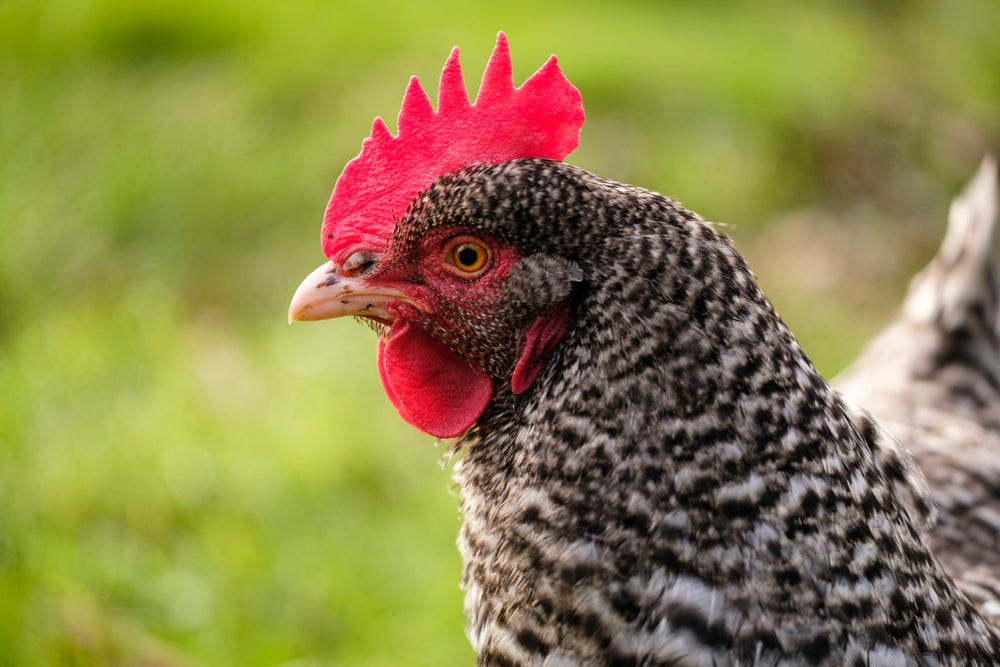
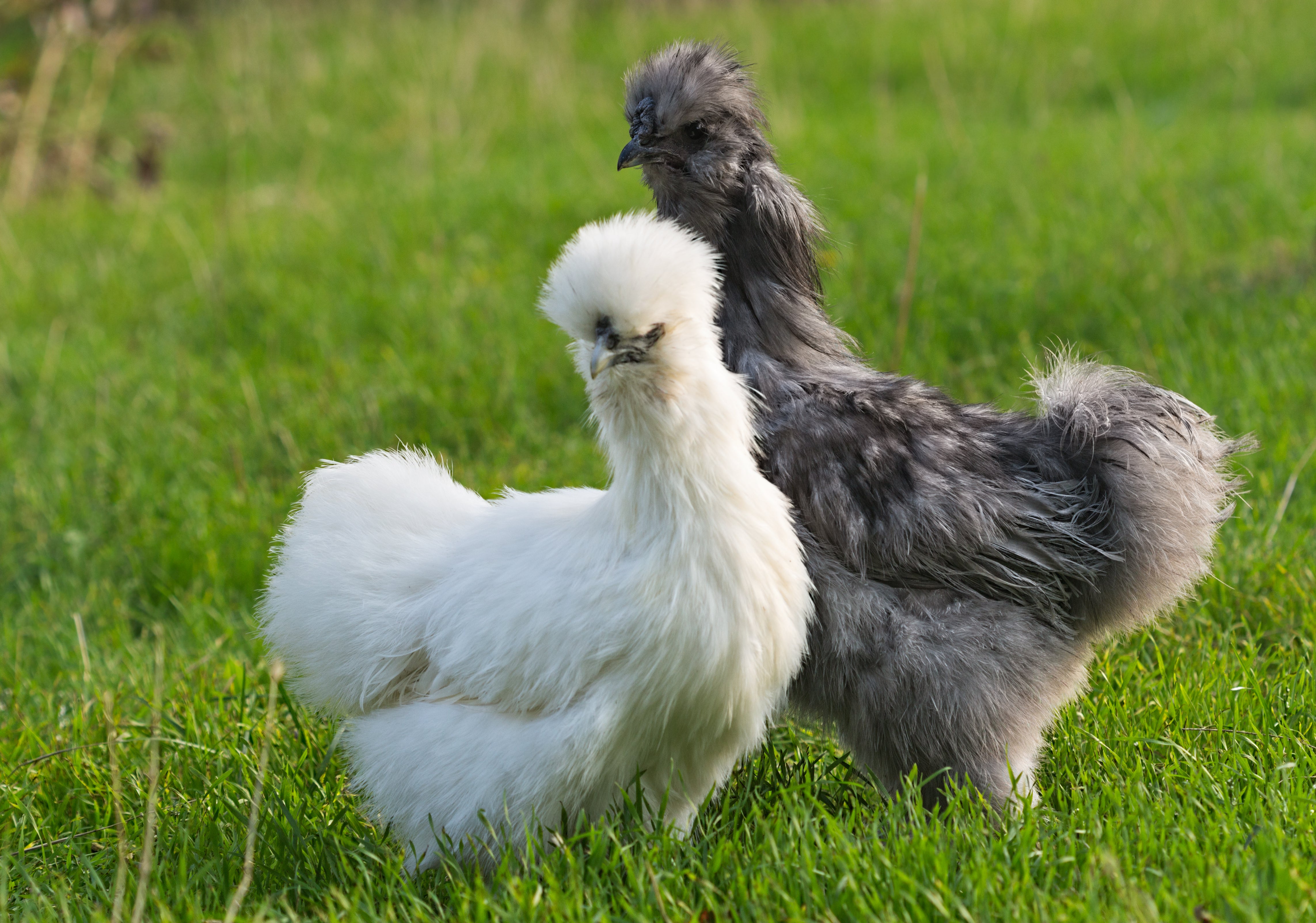
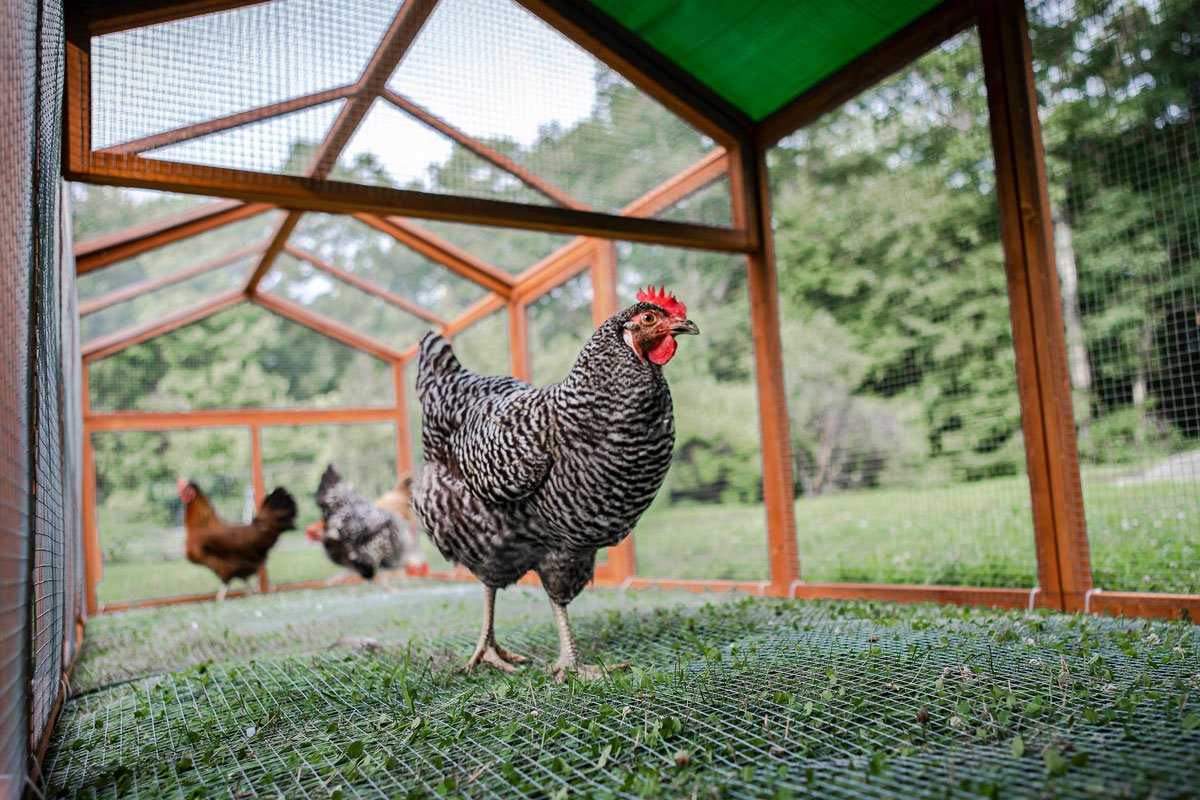
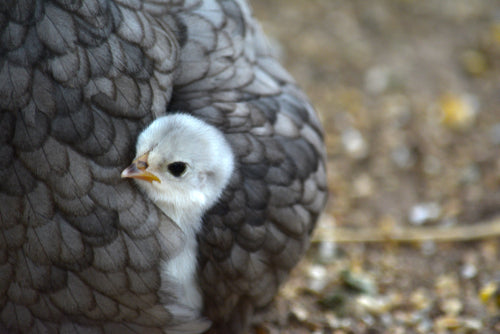
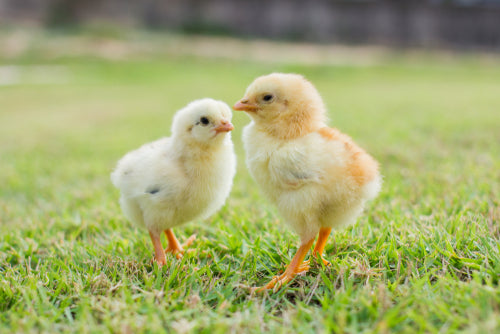
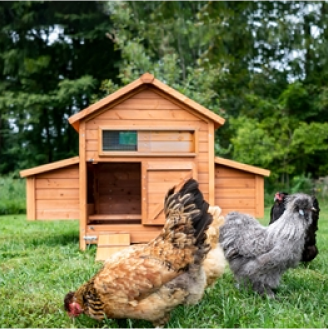

"The Clubhouse" Coop
Easy to assemble and built to last, the Clubhouse Coop is the perfect starter coop for a small flock.
Top Picks for you!
-
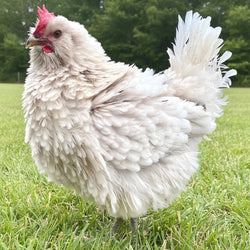 Baby Chicks: Frizzle Bountiful Blue Egg LayerRegular price From $19.99Regular priceUnit price / per
 -
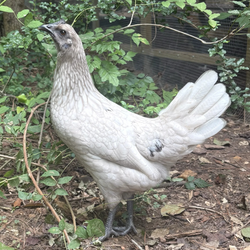 Baby Chicks: Zombie ChickenRegular price From $19.99Regular priceUnit price / per
 -
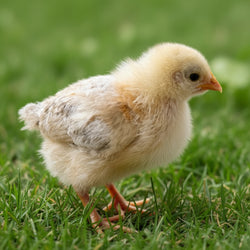 Baby Chicks: Marraduna BasqueRegular price From $29.99Regular priceUnit price / per
 -
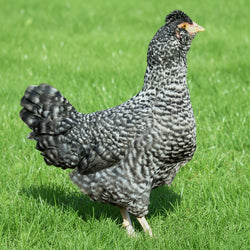 Baby Chicks: Deep Ocean CuckooRegular price From $4.99Regular priceUnit price / per
 -
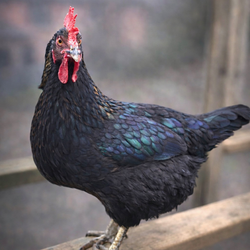 Baby Chicks: Ameribella Sex-LinkRegular price From $11.99Regular priceUnit price / per
 -
 Baby Chicks: Lavender Dream Easter EggerRegular price From $24.99Regular priceUnit price / per
 -
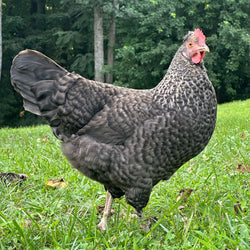 Baby Chicks: Gold Kissed Granite Olive EggerRegular price From $12.99Regular priceUnit price / per
 -
 Baby Chicks: Easter EggerRegular price From $3.99Regular priceUnit price / per
 -
 Baby Chicks: Black Copper MaransRegular price From $10.99Regular priceUnit price / per
 -
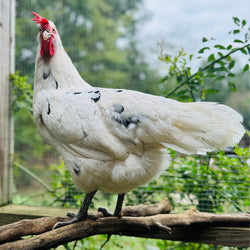 Baby Chicks: Austra WhiteRegular price From $3.49Regular priceUnit price / per
 -
 Baby Chicks: AnconaRegular price From $3.99Regular priceUnit price / per
 -
 Baby Chicks: Ayam CemaniRegular price $69.99Regular priceUnit price / per


