page=10&srsltid=AfmBOopfW-JNRI58bG2pV_Lshcwxjb90tBAj3UDnBzjhmZokrYDBvdIe/--
Frequently Asked Questions
Here we answer the most commonly-asked questions about ordering, chicken care, and more.
Do I need to give my hens oyster shell or supplemental calcium?
If your hens have a good, "complete" layer feed, they may not ever need oyster shells or any supplemental calcium. However, it never hurts--and it can really help avoid potential pitfalls in a number of ways. Oyster shell is inexpensive and lasts a long time, so it's worth adding to your flock's diet. The reason they may need it is that some flocks that spend most of the day foraging, or are given too many treats, can develop a calcium deficiency, particularly if they are high production layers. If they're eating too many treats, they won't get all the calcium...
Read MoreShould I get my birds vaccinated?
Here at My Pet Chicken, we offer a Marek's disease vaccination for all baby chicks. Marek's disease is the #1 disease-related killer of chickens. It can cause paralysis, blindness and death in up to 80% of an infected flock. There is no cure for a flock once it has been infected; the only way to prevent the disease is to vaccinate for it within 24 hours of the chick hatching. Learn more about Marek's disease. Yes, you should get your chicks vaccinated To be blunt about it, yes. Make the small investment in a Marek's vaccine for your chickens. While...
Read MoreCan you tell the sex of chicks when they're still in the egg?
There is no reliable way for the average home hatcher to tell the difference between an egg that will hatch a female chick and an egg that will hatch a male chick. In-ovo DNA testing and spectroscopy are being developed for certain applications, but most of us don't have this technology readily available at home! Instead, there are lots of old wives' tales out there, most of which have to do with the shape of the egg or which way a string swings when you hold it above an egg. In most cases, you will find that in one area...
Read MoreWhat is this black spot or thin string attached to my baby chick's rear end?
It's your chick's umbilical cord, and if you notice, that black, scabby spot or string will be below your check's vent or "pooper." Be SURE not to confuse this with pasting, which occurs on the vent, not below it. Usually the umbilical cord falls off immediately during hatching, but sometimes it can hang around for a few days (or it falls off but the belly button takes a while to heal, leaving a scabby spot). This can happen whether you hatch at home, or if you order from My Pet Chicken or another hatchery. Please don't try to remove it,...
Read MoreAre fertilized eggs okay to eat?
Fertilized eggs are fine to eat, in fact some people claim they healthier than unfertilized eggs, although we've never seen any data supporting that. (Let's be honest; if the fertile egg is fresh and unincubated, you're going to have the addition of just half a cell.) Illustration by Ray Yang for My Pet Chicken It is impossible to taste the difference between a fertile and an infertile egg, and barely possible to SEE the difference between a fertilized and non-fertilized egg with the naked eye. If you look closely--and if you have good vision--you will see that a fertile egg...
Read MoreHow can I tell if my juvenile bird is a rooster?
Comb size and redness can be one indicator, but is not usually reliable. In fact, it's one of the worst indicators you can use, as comb size varies by breed and even individual. For instance, one of my hens has a larger comb than any of her sisters of the same breed, and a larger comb than any of my roosters, too. When sexing most juveniles, the best, most fail-safe method is to look at the saddle feathers in front of the tail when the bird is about 3 months old. By that age, cockerels will have long and pointy...
Read MoreHow do I find a new home for a rooster I don't want?
Unfortunately, as you've learned, sexing is more of an art than an exact science, so when you buy day-old chicks, there's always a small risk of receiving a mis-sexed bird. We're sorry if this has happened to you, whether you purchased your chicks from us or from another hatchery or feed store. It can be stressful to try to find a home for your unwanted rooster, and sometimes the most stressful part is having to part with him at all. Juvenile roosters are usually very friendly, and almost invariably are the favorite "hen" of the flock, so the disappointment can...
Read MoreHow do blue eggs become blue (instead of white or brown)?
Whereas the brown color of an egg is laid on the outside of the shell, the blue color actually goes all the way through the shell, even to the inside of the shell. Originally, it was thought that color pigments were synthesized in the blood by the breakdown of hemoglobin, but research shows it is more likely that they are actually synthesized in the shell gland pouch. The blue color is produced by biliverdin; the brown color is produced by protoporphyrin, and they are incorporated into the shell in different ways based on their different compositions. Again, to make it...
Read More
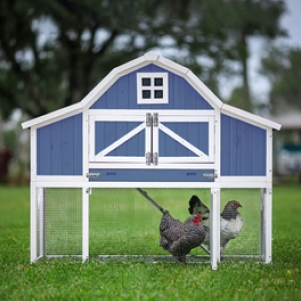
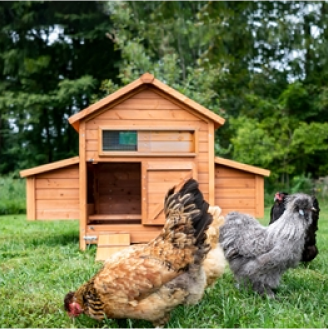

"The Clubhouse" Coop
Easy to assemble and built to last, the Clubhouse Coop is the perfect starter coop for a small flock.
Top Picks for you!
-
 Baby Chicks: Blue/Black/Splash Wheaten Olive EggerRegular price From $24.99Regular priceUnit price per
 -
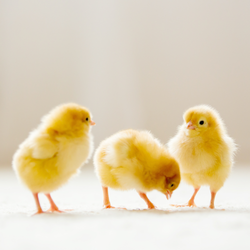 Baby Chicks: Marraduna BasqueRegular price From $29.99Regular priceUnit price per
 -
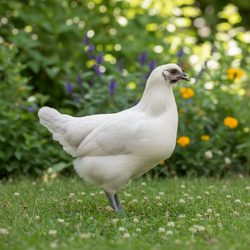 Baby Chicks: Zombie ChickenRegular price From $11.49Regular priceUnit price per
 -
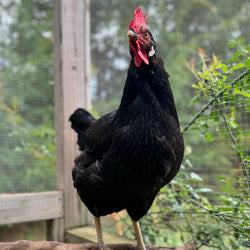 Baby Chicks: Ameribella Sex-LinkRegular price From $14.99Regular priceUnit price per
 -
 Baby Chicks: Lavender Dream Easter EggerRegular price From $24.99Regular priceUnit price per
 -
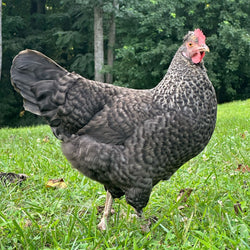 Baby Chicks: Gold Kissed Granite Olive EggerRegular price From $12.99Regular priceUnit price per
 -
 Baby Chicks: Easter EggerRegular price From $3.99Regular priceUnit price per
 -
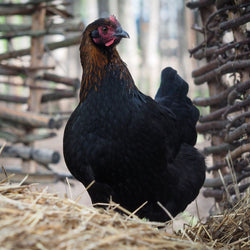 Baby Chicks: Black Copper MaransRegular price From $10.99Regular priceUnit price per
 -
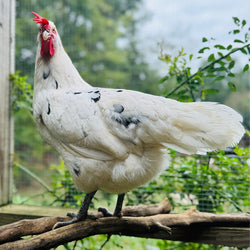 Baby Chicks: Austra WhiteRegular price From $3.49Regular priceUnit price per
 -
 Baby Chicks: AnconaRegular price From $3.99Regular priceUnit price per
 -
 Baby Chicks: Ayam CemaniRegular price $69.99Regular priceUnit price per
 -
 Baby Chicks: Barred Plymouth RockRegular price From $3.49Regular priceUnit price per


