Frequently Asked Questions
Here we answer the most commonly-asked questions about ordering, chicken care, and more.
All about Ascites disease
If your bird has a large, reddish, swollen belly and but otherwise looks bluish, along with having respiratory issues like a cough, it's possible she has Ascites. Finding out the exact cause of the issue and the correct treatment will require the assistance of a qualified veterinarian. In many cases, providing a healthy environment for your flock can help protect them from ascites, so make sure you're doing that! Read on to find out more: Ascites Also called Pulmonary hypertension syndrome, waterbelly, fluid retained in abdomen Prevalence Uncommon, more common in meat-type breeds and varieties Signs General signs - Lethargy,...
Read MoreHow many chicks must I purchase to meet the minimum order during the winter months?
We want to make sure your chicks arrive safe and sound. Most of the year, your smallest minimum order could be as low as only three chicks (based on your location and on how quickly the post office tells us your package will arrive), but during the winter months, your minimum order will be significantly higher in order to make sure the chicks stay warm and safe. The minimums in winter is just 8 chicks.
Read MoreCan I feed my chickens black oil or striped sunflower seeds?
Sunflower seeds are a good treat for your chickens. They're widely available, chickens typically love them, and for a treat, they're quite nutritious. They contain methionine, for example, an important amino acid for birds. There is lots of vitamin E, too! And their high magnesium content is also a benefit for your flock's calcium metabolism and smooth muscle tone, both important in laying. But there are a couple different kinds of sunflower seed. Does it matter what kind of sunflower seed you offer your chickens? There are a few differences between striped and black oil sunflower seeds. Most particularly, black...
Read MoreCan I give my chickens wild birdseed mix?
Birdseed mixes are usually too high in fat and too low in vitamins (especially when the mixes are high in millet and cracked corn) to meet the long-term nutritional needs of a laying flock. They're also way too low in calcium. Remember, modern domestic chickens lay lots of eggs year-round, while wild birds may lay only a few eggs a year, seasonally. So seed mixes designed for wild birds just won't make a good, well-balanced diet for your flock. Still, as an occasional treat, your chickens will love it! And many seeds are high in SOME vitamins and amino acids...
Read MoreWhy do chicken combs look so different from one another, and what is a comb?
A comb is the fleshy (usually) red erectile tissue on top of a chicken's head. Different breeds have different combs. There are a few main comb types. A single comb is probably what you think of when you think of a chicken's comb. It has a single row of spiky fingers sticking up from a "blade." But all single combs are not alike. Some can be large and others quite small. Not only does it vary by breed, but it also varies by individual.This is why the size of a comb is not a good way to tell roosters from...
Read MoreHow much water do chickens drink per day?
Are you going to need to refill your chicken waterer once a day... or once a week? You might be wanting to plan ahead for what size waterer you'll need for your new backyard flock. If you're thinking about this already, good for you! You'll be much happier if you've thought everything through and planned everything out, first. To choose the right waterer for you, it can be helpful to have a rough idea about how much your birds will drink. That said, many things will affect how much your flock will drink: larger birds will drink more. Birds not...
Read MoreThere are so many different terms for chickens--juvenile, cockerel, pullet, chick, hen, rooster, peep, biddy, started pullet, point-of-lay pullet, broody, brood, flock---what do they all mean?
There ARE a lot of different terms for chicken, aren't there? It can be a little confusing, especially when you're just starting out. So let's define these terms. Male and female chicken terms Hen, rooster, roo, capon, chicks, peeps: You probably know the terms "hen" and "rooster," which refer to female chickens and male chickens respectively. "Roo" is just short for "rooster," and "capon" refers to a neutered rooster. What you may not know is that we don't normally refer to young chickens or chicks by those terms. A baby chick is not a hen or a rooster. "Hen" and...
Read MoreHow do I introduce my new chicks to other young chicks in the brooder?
Introducing new hens to an established flock can be tricky (see how to do that in the related questions below)---but luckily it's much easier to introduce chicks to chicks than it is adult chickens to adult chickens! This is because the drive to establish a pecking order doesn't start for a few weeks in baby chicks--usually not until they're 6 or more weeks old. Make sure you're getting chicks from an NPIP source like My Pet Chicken. If you're concerned about communicable illness due to either the source of the chicks or environmental factors (such as exposure en route), consider...
Read More
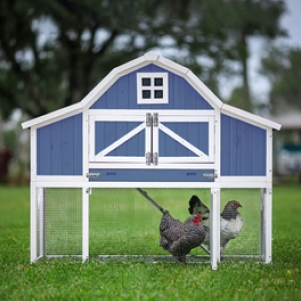
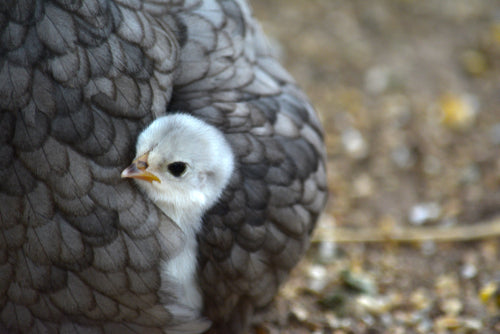
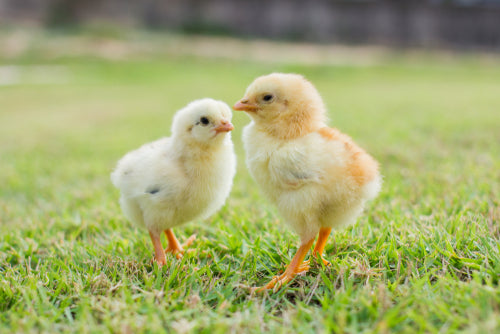
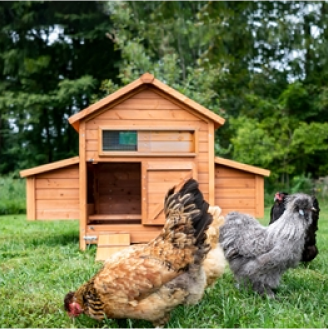

"The Clubhouse" Coop
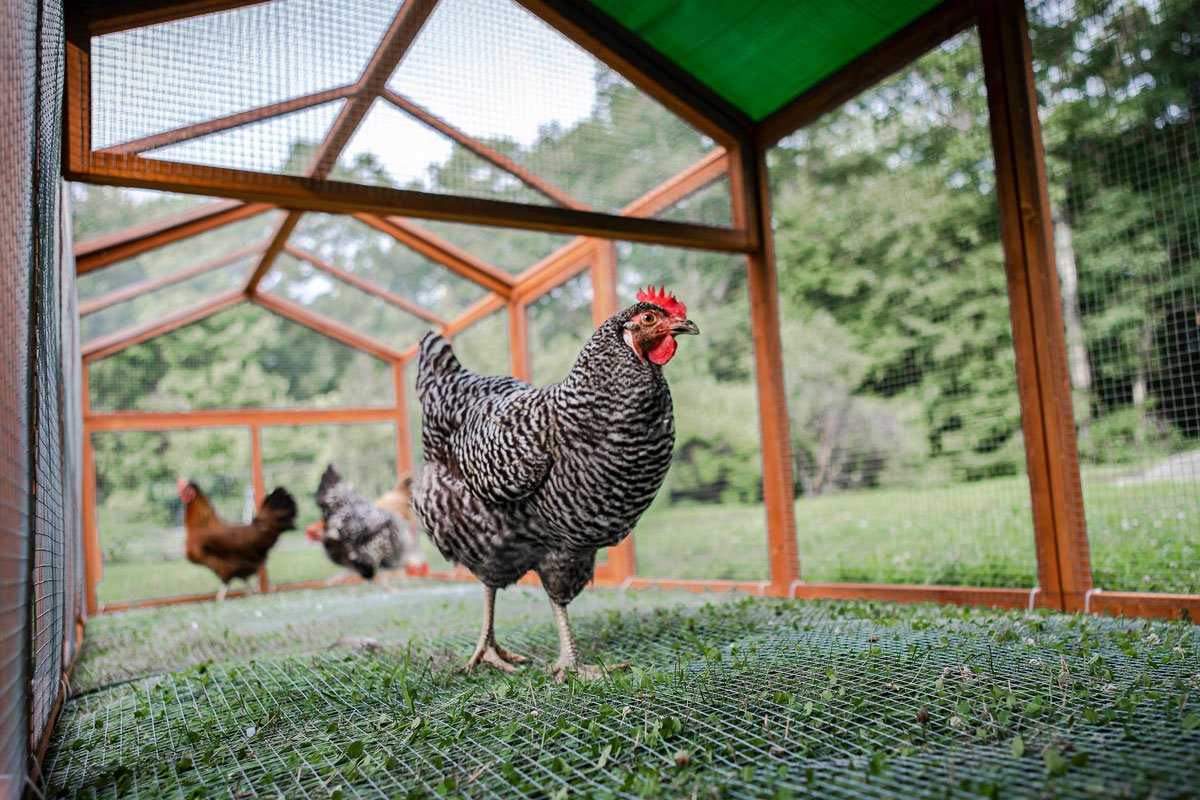
Easy to assemble and built to last, the Clubhouse Coop is the perfect starter coop for a small flock.
Top Picks for you!
-
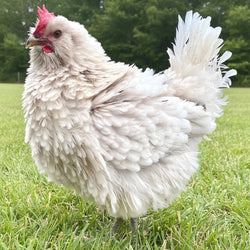 Baby Chicks: Frizzle Bountiful Blue Egg LayerRegular price From $19.99Regular priceUnit price per
 -
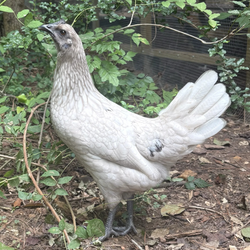 Baby Chicks: Zombie ChickenRegular price From $19.99Regular priceUnit price per
 -
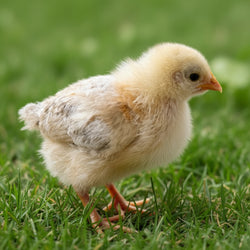 Baby Chicks: Marraduna BasqueRegular price From $29.99Regular priceUnit price per
 -
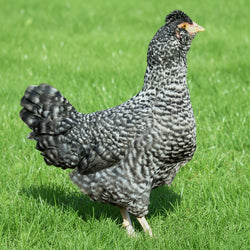 Baby Chicks: Deep Ocean CuckooRegular price From $4.99Regular priceUnit price per
 -
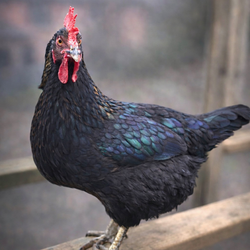 Baby Chicks: Ameribella Sex-LinkRegular price From $11.99Regular priceUnit price per
 -
 Baby Chicks: Lavender Dream Easter EggerRegular price From $24.99Regular priceUnit price per
 -
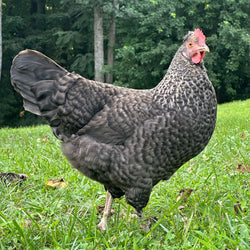 Baby Chicks: Gold Kissed Granite Olive EggerRegular price From $12.99Regular priceUnit price per
 -
 Baby Chicks: Easter EggerRegular price From $3.99Regular priceUnit price per
 -
 Baby Chicks: Black Copper MaransRegular price From $10.99Regular priceUnit price per
 -
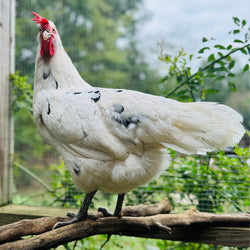 Baby Chicks: Austra WhiteRegular price From $3.49Regular priceUnit price per
 -
 Baby Chicks: AnconaRegular price From $3.99Regular priceUnit price per
 -
 Baby Chicks: Ayam CemaniRegular price $69.99Regular priceUnit price per


