Frequently Asked Questions
Here we answer the most commonly-asked questions about ordering, chicken care, and more.
How do I handle a flighty chicken?
If the hen you need to handle runs from you every time you get near, what do you do--chase her around the yard and see who gets tired first? Well, you can try. But we don't recommend it. Your chickens can fly out of reach, after all. Then what are you going to do? Plus, there's just a much easier way. The easiest way to pick up a chicken who doesn't normally allow herself to be picked up is to simply wait until she settles down at night, and pick her up off the roost while she's sleeping. You'll want...
Read MoreCan I keep an indoor pet chicken, or do I need a coop and run outside?
Sometimes people get the idea to keep an indoor pet chicken, or a "house chicken." It's not a good idea to keep them permanently indoors, though. Chickens are happiest when they have access to the outside. While we do sell chicken diapers, those are really meant to give you a way to keep your chicken temporarily inside. You may need to keep your chicken inside temporarily if you have someone who is injured and needs time to recover. But you don't want to keep chickens inside the house permanently; indoor pet chickens are just a bad idea. Firstly, it will...
Read MoreMy chick's toes are all curled up--what's wrong with her?
Sometimes a chick will develop or hatch with a condition called curled toes or curly toes in one or both feet. Illustration for My Pet Chicken by Ray Yang It's possible that she has injured a foot--sometimes this can occur while she's in the egg as she's trying to position herself correctly for hatching. Sometimes the injury might occur after she's hatched. It can also be that she's suffering from a riboflavin deficiency, either from a deficient diet in the hen that laid her egg, or because she is not consuming enough herself. Another possibility, especially with at-home artificial incubation,...
Read MoreWhat's the difference between Breeds, Designer Chicken Breeds, and Varieties of chicken?
Let's talk about Designer Chicken Breeds, Breeds, and Varieties, so you'll understand the differences in terminology. Designer Chicken Breed There are two main differences between Designer Breeds and real Breeds: Designer chicken breeds will not breed true, and they are not American Poultry Association (APA) recognized. Not recognized A Designer chickens such as Favaucanas are not an APA-recognized chicken breed, the same way a Goldendoodle---crossing a Golden Retriever and a Poodle---is not an American Kennel Club (AKC) recognized dog breed. That is to say: they are recognized in the sense that you've probably heard of them, but Favaucanas and Goldendoodles...
Read MoreWhat are frizzles, sizzles, and frazzles?
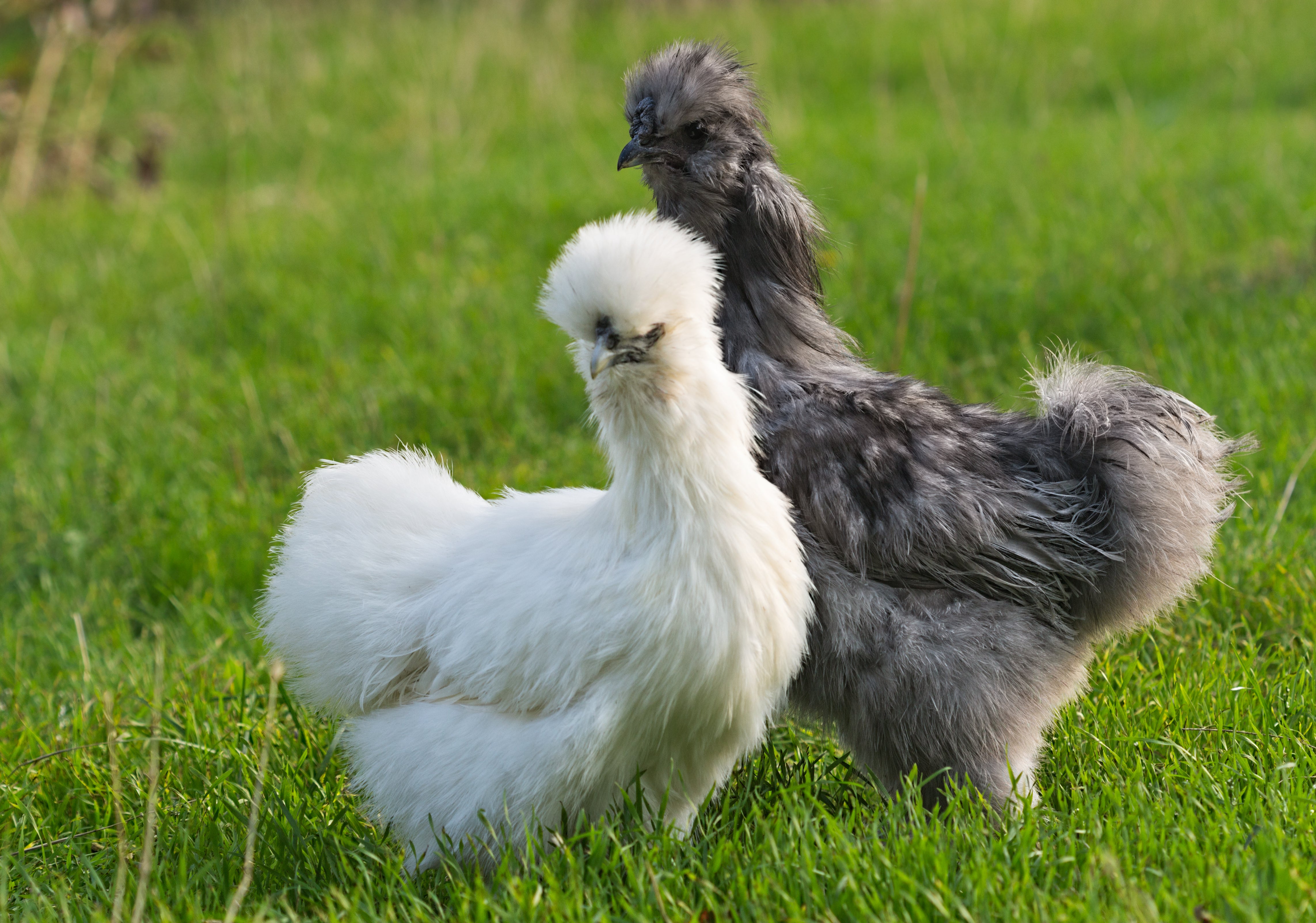
Frizzles and sizzles are not breeds of chickens so much as they are words describing three very showy feather types that chickens can exhibit. Most pet chicken aficionados, for example, know what Silkies are. They are a breed of chicken with a feather type that is lacking in the barbicels that help the feather keep its tidy shape. So, silkie feathers end up looking very much like fur--and their feathers feel a lot like fur, too! The Silkie chicken breed is named after its feather type. This White Silkie is showing off her unique feather type. There are other unusual...
Read MoreHow long do I have to keep my chicken quarantined after treating for an illness or infection?
There is not a single answer to that question--it will depend on what your bird has been treated for. For instance, once you've treated for mites and your bird is no longer infested, it's safe to end the quarantine immediately. However, other illnesses like Coryza, even when the bird has recovered s/he may remain symptom-less carrier... a Typhoid Mary for your flock. Other illnesses may fall somewhere in between, with birds remaining infectious for some period of time but not forever. So when you consult with a veterinarian, make sure to ask this key question about your bird's particular diagnosis....
Read MoreCan't I just mix my own chicken feed at home?
Yes, you CAN mix your feed at home. But that said, it's not very easy or inexpensive, as people who ask this question often seem to assume. For most people with small backyard flocks, purchasing a balanced base feed is much, much easier than buying 5 or 10 separate ingredients in bulk quantities of hundreds of pounds and blending them yourself. Do you have space to store all that safely? Will you use it up before it spoils? Do you want to spend a bunch of time mixing feeds? For most people, the answer is no. It's also a big...
Read MoreWhat do I need to know about bears if I keep chickens?
Name: Bear Ursidae Description: Large mammals, most species are omnivorous. (Polar bears are mostly carnivorous, while pandas are mostly herbivores.) *Most bears weigh between 200-300 lbs, but some species can weigh as much as as much as 1,700 pounds. Distribution/Habitat: Found widely throughout the world. They tend to frequent more secluded places. While you may see occasional reports of bear incursions into towns, these are usually short-term visits where the bears are getting into garbage cans for scraps, for instance. Make sure to keep any food waste or garbage as secure as possible to avoid attracting any wild animals--not just...
Read More
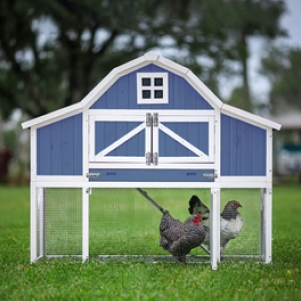
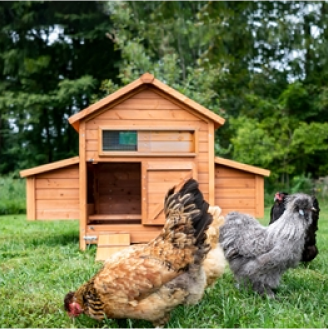

"The Clubhouse" Coop
Easy to assemble and built to last, the Clubhouse Coop is the perfect starter coop for a small flock.
Top Picks for you!
-
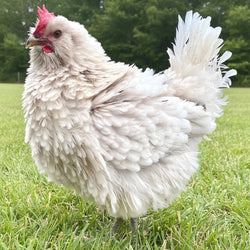 Baby Chicks: Frizzle Bountiful Blue Egg LayerRegular price From $19.99Regular priceUnit price per
 -
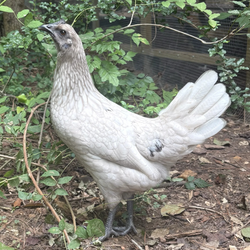 Baby Chicks: Zombie ChickenRegular price From $19.99Regular priceUnit price per
 -
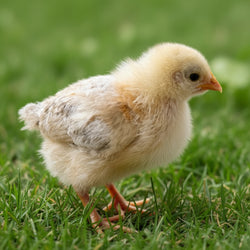 Baby Chicks: Marraduna BasqueRegular price From $29.99Regular priceUnit price per
 -
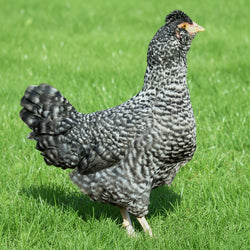 Baby Chicks: Deep Ocean CuckooRegular price From $4.99Regular priceUnit price per
 -
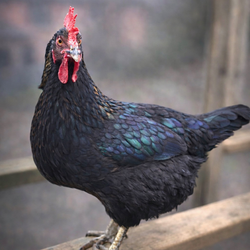 Baby Chicks: Ameribella Sex-LinkRegular price From $11.99Regular priceUnit price per
 -
 Baby Chicks: Lavender Dream Easter EggerRegular price From $24.99Regular priceUnit price per
 -
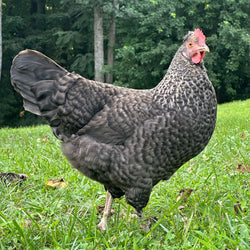 Baby Chicks: Gold Kissed Granite Olive EggerRegular price From $12.99Regular priceUnit price per
 -
 Baby Chicks: Easter EggerRegular price From $3.99Regular priceUnit price per
 -
 Baby Chicks: Black Copper MaransRegular price From $10.99Regular priceUnit price per
 -
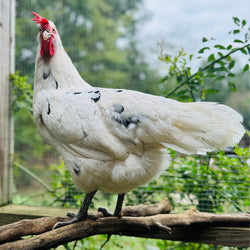 Baby Chicks: Austra WhiteRegular price From $3.49Regular priceUnit price per
 -
 Baby Chicks: AnconaRegular price From $3.99Regular priceUnit price per
 -
 Baby Chicks: Ayam CemaniRegular price $69.99Regular priceUnit price per


