Frequently Asked Questions
Here we answer the most commonly-asked questions about ordering, chicken care, and more.
How do I calibrate my hygrometer?
Hatching fertile eggs can be such a fun adventure! To increase your chance of a successful hatch, you may want to plan ahead and calibrate your hygrometer/thermometer. One of the most common problems during hatching is incorrect humidity and temperature in the incubator. Even a new hygrometer may not be properly calibrated, so it is better to check your equipment before starting a batch of eggs. To calibrate your hygrometer: Mix 1/2 cup of salt and 1/4 cup of water in a coffee cup or other small container. It will be a thick mixture. Put your thermometer/hygrometer into a large...
Read MoreWhat is an apron fence, and why is it helpful?
An apron fence is a fence that helps to keep out digging predators. But it isn't normally a special type of fence that you buy; it's more of a special way to install your fence. You can install a dug apron fence or a bent apron fence. For a dug apron fence, you might bury a foot or so of your fence in the ground... so if you buy a six foot fence, one foot of it would be buried, and the fence would be five feet high. When a predator like a rodent, dog, or fox tries to dig...
Read MoreHow do I keep my run from becoming muddy?
Depending on where you are in the country and how your coop is sited, you may occasionally have problems with mud in the run. There are worse things than a little mud from time to time, but if your chickens have no place to escape a mucky run, that means they are pooping in the mud, walking in the muddy poop, foraging in muddy, poopy soup... so ick. That is a formula for illness, and that fertile muck is a perfect place for bad things to grow: coccidia, worms---and worse. They definitely prefer a green pasture to a mud pit....
Read MoreWill a broody hen starve herself to death on the nest?
It's unlikely she'll starve, but even so, it's not unheard of for a hen to die on the nest. Remember, even when they're broody, they do get off the nest to eat and drink (often this happens at night, when you may not see it). After all, it wouldn't do momma hen or her chicks-to-be any good if she starves herself to death. But her instincts are designed so that she gets broody for about 21 days, the amount of time it takes for her eggs to hatch. However, in a backyard setting, her eggs may not even be fertile---or...
Read MoreWhy is it necessary that my chickens have grit?
Scarce as hens' teeth." Have you ever heard that expression before? Of course, chickens don't have teeth... and that's a problem, since their diet consists of grains, seeds, grasses, insects and other things that need to be chewed. Nature solved this problem by giving chickens a gizzard where their food is ground up. But they sort of digest it backwards, at least from our perpective. We chew food and then it goes to the stomach. They get it to their stomachs and then chew it. Weird, right? Here's how it works: When chickens swallow food, it first goes into their...
Read MoreWhat is the deep litter method of coop bedding management, and how does it work?
The traditional way to manage bedding in the coop is to put a light layer of bedding down--for bedding recommendations, see the related questions below--and then change out the bedding once a day or once every few days. (How often you'll have to clean depends on how many chickens you're keeping in how much space.) It's pretty straightforward; you more or less clean it like a cat litter box. By contrast, in the deep litter method, you start with five or six inches of organic, compostable bedding such as pine shavings, and then simply add new bedding on top to...
Read MoreHow much space should my chickens have inside their coop?
A chicken coop is any structure in which your chickens shelter. In most areas of the country, a chicken coop is an enclosed space, but in warmer areas many people use a three sided coop to make sure it doesn't get too hot inside (the last side of the coop is usually secured with something like welded wire hardware cloth). A coop can be made of plastic, wood, metal or fiberglass. It can be made of recycled pallets, or it can be a re-purposed playhouse. It can be built by hand or purchased. Chicken coops usually contain nests for laying...
Read MoreIf I'm interested in getting started in keeping backyard chickens, where do I begin?
If you're longing to keep pet chickens, sometimes it's hard to even know where to begin your exciting chicken adventure. We're happy to help you get started with some helpful resources! First you might be interested in our glossary, just in case you're not familiar with common chicken terms. That glossary will help you as you read through the other resources we have for you. For instance, we have two free ebooks online, one on Chicken and Chick Care that is essential, and one on hatching eggs at home, that you'll want to read through if you plan to hatch...
Read More
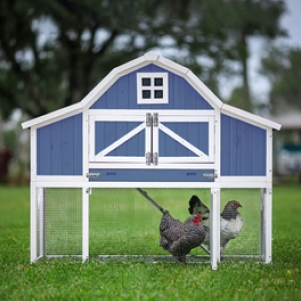

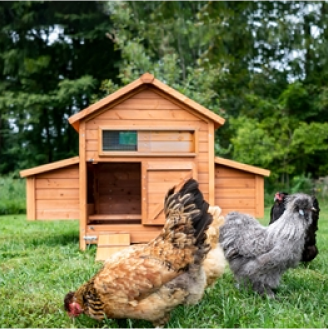

"The Clubhouse" Coop
Easy to assemble and built to last, the Clubhouse Coop is the perfect starter coop for a small flock.
Top Picks for you!
-
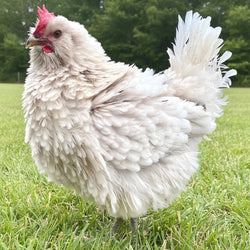 Baby Chicks: Frizzle Bountiful Blue Egg LayerRegular price From $19.99Regular priceUnit price per
 -
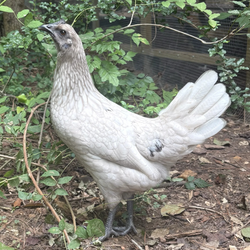 Baby Chicks: Zombie ChickenRegular price From $19.99Regular priceUnit price per
 -
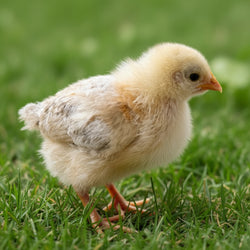 Baby Chicks: Marraduna BasqueRegular price From $29.99Regular priceUnit price per
 -
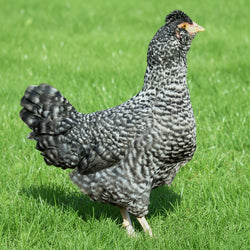 Baby Chicks: Deep Ocean CuckooRegular price From $4.99Regular priceUnit price per
 -
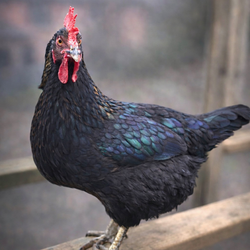 Baby Chicks: Ameribella Sex-LinkRegular price From $11.99Regular priceUnit price per
 -
 Baby Chicks: Lavender Dream Easter EggerRegular price From $24.99Regular priceUnit price per
 -
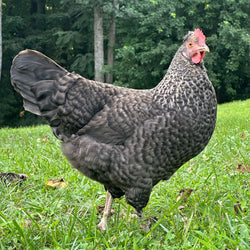 Baby Chicks: Gold Kissed Granite Olive EggerRegular price From $12.99Regular priceUnit price per
 -
 Baby Chicks: Easter EggerRegular price From $3.99Regular priceUnit price per
 -
 Baby Chicks: Black Copper MaransRegular price From $10.99Regular priceUnit price per
 -
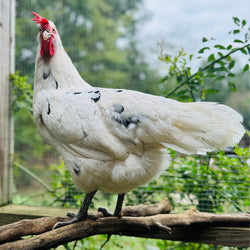 Baby Chicks: Austra WhiteRegular price From $3.49Regular priceUnit price per
 -
 Baby Chicks: AnconaRegular price From $3.99Regular priceUnit price per
 -
 Baby Chicks: Ayam CemaniRegular price $69.99Regular priceUnit price per


