Frequently Asked Questions
Here we answer the most commonly-asked questions about ordering, chicken care, and more.
Can bed bugs bother my chickens?
Ew, yuck! But yes: just as bed bugs can feed on dogs and cats, they can feed on chickens, too. It's a particular problem with chickens in factory farms, moreso than small backyard flocks, because birds kept commercially are often crowded into spaces without enough room, and which aren't kept clean. But here's the thing: cleaning isn't the answer if you end up with bedbugs in your house. You can't clean them out of your house or coop. Bedbugs are extraordinarily difficult to get rid of---many pesticides are not effective on them---so an infestation really requires professional help. The good...
Read MoreHow can I cope with the loss of my chicken?
First, we're so sorry to hear about the loss of your chicken. Losing any pet is hard, but there's something about having a bird who begs for pets and wants to snuggle on your lap that's just a little magical---the loss can feel completely devastating. And there's no magic bullet, either. Nothing we can say can make the loss of a pet hurt any less. Pet chickens are as much members of the family as other pets are. We empathize. We all keep chickens, so we have all lost chickens before, too. Recently, one employee lost every chicken but one...
Read MoreQuarantine in Your Backyard Flock: Why, When, and How to Do It Right
Keeping a happy and healthy backyard flock means paying attention to biosecurity—and one of the most important biosecurity practices is quarantine. While the idea of separating a chicken from the rest of the flock might seem unnecessary or even a little over the top, quarantine can prevent the spread of disease, protect your birds, and save you both heartache and money in the long run. Let’s break down what quarantine is, when you should use it, and why it’s essential for a thriving backyard flock. What Is Quarantine? In simple terms, quarantine means isolating a chicken (or chickens) that has...
Read MoreAll about Infectious Synovitis disease
Harmful bacteria are the cause of many chicken (and human) diseases. In the case of Infectious Synovitis, the most recognizable sign of the disease is lameness, swollen legs, or legs or feet that are hot to the touch. Infectious Synovitis is a serious disease that is rare--thankfully!--because of today's standards of monitoring of commercial flocks and hatcheries. You can read on to find out more: Infectious Synovitis Also called Mycoplasmosis (one form), MS, big hock disease, enlarged hocks Prevalence- Once common in commercial flocks of "broilers" (chickens raised for meat), now quite rare due to NPIP monitoring. Low mortality, however...
Read MoreAll about Fowl Pox (Dry) disease
Chickens with advanced stages of dry fowl pox look completely miserable (scroll down and you'll see some potentially upsetting pictures!), but thankfully, this viral disease is rarely fatal. It can spread quickly from bird-to-bird in your flock, however, so you'll need to practice quarantine if you see signs of fowl pox in your flock. Read on to find out more. Fowl Pox (Dry) Also called Fowl pox, sore head, cutaneous pox, dry pox Prevalence Common Signs General signs - Scabby, discolored, swollen bumps on face, eyes. Cardinal or diagnostic signs - Pox spread from bird to bird, unlike simple injuries....
Read MoreAll about Fowl Pox (Wet) disease
Imagine having chicken pox in your mouth and throat! Though the virus that causes wet fowl pox is different from the one that causes chicken pox in humans, the symptoms appear similar--just inside the bird's mouth and throat rather than on the skin. The poor birds that get this disease must feel miserable! Thankfully, you can take practical steps to help protect your flock from getting this virus. Read on to find out more. Fowl Pox (Wet) Also called Fowl Diphtheria, diphtheritic pox, ILT Prevalence Common, but less so than Dry Pox Signs General signs - Scabby bumps on face,...
Read MoreAll about Infectious Laryngotracheitis disease
"Laryngotracheitis" simply means inflammation of the larynx and trachea--in this case caused by a highly-contagious virus. The virus cannot be spread to humans, but can be spread from bird-to-bird very quickly. As with all diseases, you may need a vet's care to get a reliable diagnosis, but practicing good biosecurity, keeping your flock relatively stress-free, and sanitizing your coop and run area may help keep your flock from getting this virus and/or spreading it around. Read on to find out more... Infectious Larygotracheitis Also called Avian Diphtheria, Laryngo, ILT Prevalence Common Signs General signs - General signs of respiratory illness...
Read MoreHow to Break a Broody Hen
If your hen has gone broody, that means she wants to hatch eggs. She'll puff up and stay in the nest---even if the eggs in there aren't fertile (she has no way of knowing), and even if there are no eggs in there at all. Plus, she'll stop laying eggs, because her body is telling her it's time to hatch some! "Breaking" a hen of broodiness means you shake her out of the "obsession" with the nest box, shaking out of the idea of hatching. Many hens will end broodiness on their own, but some are particularly stubborn (their hormonal...
Read More
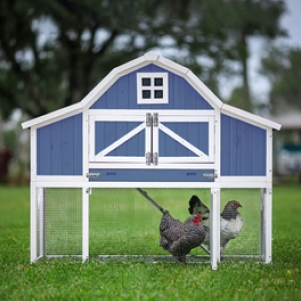
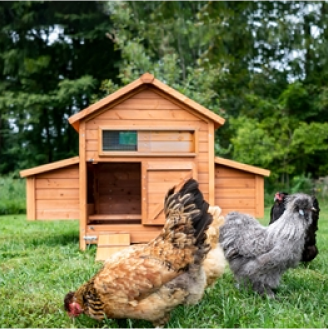

"The Clubhouse" Coop
Easy to assemble and built to last, the Clubhouse Coop is the perfect starter coop for a small flock.
Top Picks for you!
-
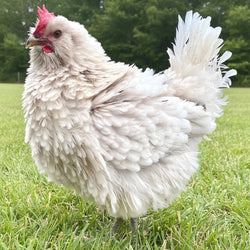 Baby Chicks: Frizzle Bountiful Blue Egg LayerRegular price From $19.99Regular priceUnit price per
 -
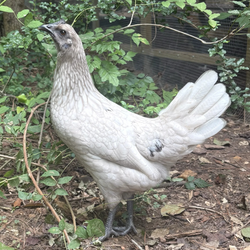 Baby Chicks: Zombie ChickenRegular price From $19.99Regular priceUnit price per
 -
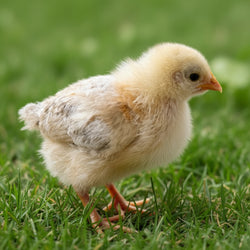 Baby Chicks: Marraduna BasqueRegular price From $29.99Regular priceUnit price per
 -
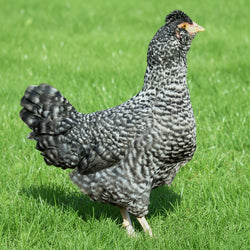 Baby Chicks: Deep Ocean CuckooRegular price From $4.99Regular priceUnit price per
 -
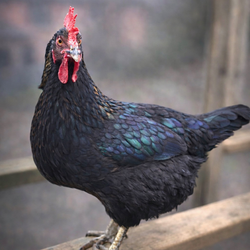 Baby Chicks: Ameribella Sex-LinkRegular price From $11.99Regular priceUnit price per
 -
 Baby Chicks: Lavender Dream Easter EggerRegular price From $24.99Regular priceUnit price per
 -
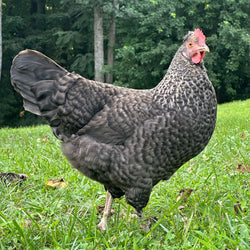 Baby Chicks: Gold Kissed Granite Olive EggerRegular price From $12.99Regular priceUnit price per
 -
 Baby Chicks: Easter EggerRegular price From $3.99Regular priceUnit price per
 -
 Baby Chicks: Black Copper MaransRegular price From $10.99Regular priceUnit price per
 -
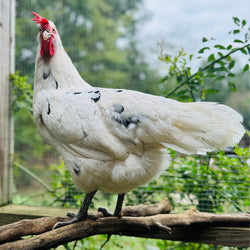 Baby Chicks: Austra WhiteRegular price From $3.49Regular priceUnit price per
 -
 Baby Chicks: AnconaRegular price From $3.99Regular priceUnit price per
 -
 Baby Chicks: Ayam CemaniRegular price $69.99Regular priceUnit price per


