Frequently Asked Questions
Here we answer the most commonly-asked questions about ordering, chicken care, and more.
All about Domestic Newcastle disease
Domestic Newcastle Also called Newcastle Disease, Avian Distemper, Pseudofowl, ND, Parainfluenza, Fake Flu Prevalence Common Signs General signs - Coughing, sneezing, wheezing, lack of appetite, lethargy, huddling near heat source and fluffed-up down. Mucousy nares (nostrils). Occasionally layers exhibit a drop in laying and misshapen eggs. Some birds show signs of neurological disorders about two weeks after the respiratory illness. Mortality is low in backyard flocks with an owner who can isolate a bird until recovery. In large commercial flocks without close supervision, birds showing neurological symptoms can get picked to death. Cardinal or diagnostic signs - Lab ID, or...
Read MoreAll about Avian Infectious Bronchitis disease
Avian Infectious Bronchitis is a respiratory illness that results in death in about 5% of the birds that contract it, and may cause a permanent reduction in laying or reduce the quality of eggs in hens that survive it. As with all avian diseases, practicing good biosecurity will go a long way toward protecting your birds from this virus. Read on to find out more. Avian Infectious Bronchitis Also called IB, IBV, Infectious Bronchitis, Cold Prevalence Common Signs General signs Coughing, sneezing, lack of appetite, lethargy, huddling near heat source and fluffed up down. Mucousy eyes or nares (nostrils). Thirst...
Read MoreWhat is NPIP and why should I purchase only from NPIP breeders?
NPIP stands for National Poultry Improvement Plan, and it's a voluntary certification system that poultry breeders and hatcheries can participate in. (Our hatchery and all breeders associated with My Pet Chicken are NPIP certified.) Essentially, NPIP certification means you submit the birds in your breeding flock to regularly scheduled testing to assure they are Pullorum-Typhoid-free. While NPIP participation is voluntary, typically states have certification or monitoring requirements if you want to ship birds into that state, so large hatcheries all participate. (At the time of this writing, we don't know of a major hatchery that isn't NPIP certified.) Pullorum and...
Read MoreWhat should I consider when choosing a waterer for my flock?
As you probably know by now, it's not a good idea -- at all -- to simply give chickens a bowl of water like you would a dog or a cat. They'll dirty it; they'll step in it and tip it over; they may even unintentionally poo in it. Here are 7 important questions to ask yourself when choosing a waterer for your flock: How many thirsty birds do you have? You need to make sure there is adequate access to water for all the birds in your flock. If you have a large flock but only one small waterer,...
Read MoreCan I cancel or change my order for juvenile 6 week old chickens (started pullets)?
Yes, we're happy to cancel or change an order of juvenile chickens provided you let us know by the week before your scheduled ship week. For juvenile chickens, if you want to cancel or change your order, that must be done by the Thursday before the shipping week. As you remember from checkout, your order cannot be cancelled (or changed) later than that date. Be sure to have your order number at hand so we can find your order to cancel it. In addition, you should be aware that you may be charged a $10 order cancellation fee. If you've...
Read MoreWhat is a lash egg?
A lash egg is less of an egg than it is a roughly egg- or sausage-shaped exudate, consisting of thickened pus and other materials. It is probably the grossest egg your hen will ever lay, and will often look like cheesy, bloody strata or other matter arranged in strappy, skin-like layers. You may think she's expelled an internal organ. Ew. Seriously. If your hen lays a lash egg, it means she is sick with salpingitis, which is an infection of the oviduct. Please take her to a veterinarian immediately.
Read MoreAll about Salpingitis disease
If your hen lays a lash egg (something you won't soon forget--they're pretty gross!), you can be pretty sure that she has Salpingitis, meaning her oviduct is infected. This is really bad news for your hen and may be fatal, and she could continue to be a carrier even if she recovers! Read more to find out more about this disease: Salpingitis Also called Inflammation of the oviduct, infection of the oviduct Prevalence Common Signs General signs: No or mild signs in adult birds, including lethargy, loss of appetite, drop in laying, yellow poo, wheezing, coughing, sneezing, discharge from nares...
Read MoreWhat is an overhatch and why do you advertise it?
Well, let's start with the idea that we literally count our chickens before they've hatched. :) The exhortation against doing that is pretty good advice... unless you're a hatchery or breeder! Then it's your business to predict how many eggs your chickens will lay and how many of those will hatch, AND how many of each sex you'll get. So because these are all estimates, we're pretty conservative in our predictions, because we don't want to disappoint our customers if possible. It's understandably disappointing if you've ordered some Silkies, for instance, and after the long wait when hatch day comes,...
Read More
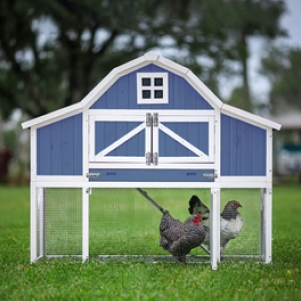
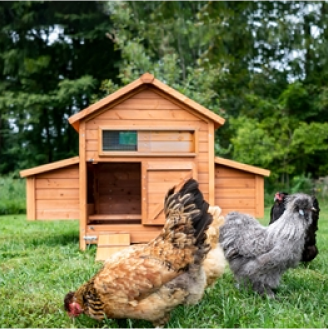

"The Clubhouse" Coop
Easy to assemble and built to last, the Clubhouse Coop is the perfect starter coop for a small flock.
Top Picks for you!
-
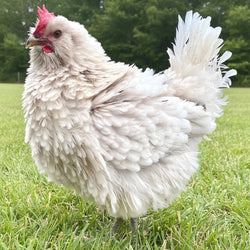 Baby Chicks: Frizzle Bountiful Blue Egg LayerRegular price From $19.99Regular priceUnit price per
 -
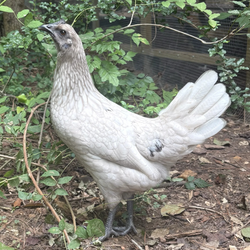 Baby Chicks: Zombie ChickenRegular price From $19.99Regular priceUnit price per
 -
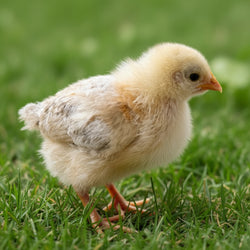 Baby Chicks: Marraduna BasqueRegular price From $29.99Regular priceUnit price per
 -
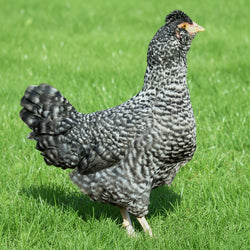 Baby Chicks: Deep Ocean CuckooRegular price From $4.99Regular priceUnit price per
 -
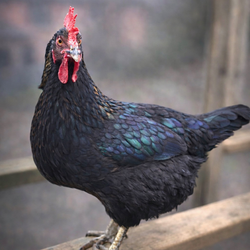 Baby Chicks: Ameribella Sex-LinkRegular price From $11.99Regular priceUnit price per
 -
 Baby Chicks: Lavender Dream Easter EggerRegular price From $24.99Regular priceUnit price per
 -
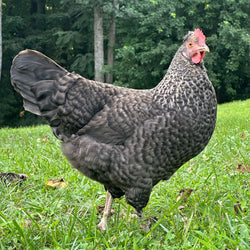 Baby Chicks: Gold Kissed Granite Olive EggerRegular price From $12.99Regular priceUnit price per
 -
 Baby Chicks: Easter EggerRegular price From $3.99Regular priceUnit price per
 -
 Baby Chicks: Black Copper MaransRegular price From $10.99Regular priceUnit price per
 -
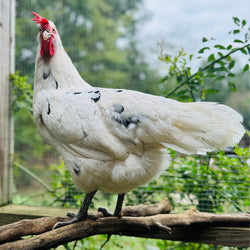 Baby Chicks: Austra WhiteRegular price From $3.49Regular priceUnit price per
 -
 Baby Chicks: AnconaRegular price From $3.99Regular priceUnit price per
 -
 Baby Chicks: Ayam CemaniRegular price $69.99Regular priceUnit price per


