Frequently Asked Questions
Here we answer the most commonly-asked questions about ordering, chicken care, and more.
Why does my hen sometimes lay eggs with ridges halfway down the shell?
You may be describing what is called a "body checked egg." Body checks are ridges or grooves that occur around an egg, usually at the pointed end. They occur more often in older layers, and are not really a cause for concern to the backyard farmer. Commercially, they are considered a aesthetic flaw, but don't have any effect on edibility. Occasionally, the egg will even appear wrinkled all over or even misshapen due to a large number of checks. Body checks are usually result of the hen's body attempting to repair any eggshell damage caused by stress when the egg...
Read MoreWhat are the rough patches and hard pimples on my egg shells?
This is usually an occasional thing, although younger or older hens are more prone to it. If your chicken is young, sometimes rough shells can occur for a while until her egg-laying cycle has settled. Older chickens may lay eggs with rough or pimpled shells, too. This issue can appear at any age, however. For instance, in the winter, sometimes a chicken may be getting excess calcium as laying slows down and they are less able to graze; the excess is distributed over the shell, sometimes in "pimples" or rough patches. Other possible causes: sometimes, rough shells will be caused...
Read MoreDo chickens have a language?
In many ways they do. Chickens can make a very wide range of sounds, and they communicate amongst each other well. Roosters can sing loudly when they crow--they also issue predator warnings. Interestingly, they have different "words" for a predator that is coming on the ground, compared with a predator that is coming from above, like a hawk. They can call their girls over whenever they find a tasty treat by using a specific vocalization that the hens recognize. Hens make a similar clucky calling sound when they are teaching their babies what is good to eat and what is...
Read MoreWhat are the signs that a hen will start laying?
A hen who is ready to lay exhibits the following signs: Her comb will get larger and redder right before she begins laying. She will "squat" submissively when you reach down to pet her. She may get a little louder right before she begins laying, since she is experiencing new instincts, and she may not be sure exactly what they are telling her to do, yet. She may go in and out of nest boxes looking for a safe place to lay. She may try to drive the other hens away from possible nests if she is feeling protective. After...
Read MoreIf I order straight run birds, how many of each sex am I guaranteed to get?
Straight run birds are an "as hatched" mix of males and females. Therefore, if you were to order eight straight run birds, for example, you will get between zero and eight roosters and between zero and eight hens--there is no way to tell. Straight run chicks are sent "as hatched"--they are not sexed first and then separated out into each order. The reason is that expert sexers of day old chicks get top dollar since it is such a specialized skill--this is why ordering all straight run birds is less expensive than ordering all females. The only way to get...
Read MoreAt what age does a rooster begin crowing?
The age a rooster will first crow varies, but generally speaking, he will begin crowing at about four or five months of age, at about the time he begins to look like a mature rooster. It can certainly vary considerably, though. We've seen roosters hold off crowing until they're eight or nine months old, and we've seen them start as early as two months. (Talk about cute!) That said, if you have a crowing bird that is younger than three months old, don't be in a hurry to find a home for "him," however. Hens can crow, too, so you...
Read MoreWhat should I do if my chickens get too hot? Will they die?
Well, yes, they could... if your chickens are unable to cool themselves, they could seize and die. How can you tell if your flock is in distress? Hot chickens will pant with beaks open. They'll also ruffle their feathers and hold their wings out to try to cool themselves. Just because a chicken is hot, though, doesn't mean she's going to die, so don't panic. But do take a few precautions during heat waves. First, make sure they have access to shade and fresh water at all times. Dust bathing can cool them, too, so give them plenty of room...
Read MoreMy flock is pecking one another! What should I do?
Pecking, also called picking, is almost always the result of high stress levels. When that happens, the birds will sometimes pluck each others' feathers out, and can really hurt one another. Those lowest in the pecking order may have bare spots on their backs or their heads. Address the root cause of pecking in your flock Since we know happy chickens don't pick one another to the point of terrible feather loss, to deal with this problem you'll have to figure out why they're not happy. You may not be a pet psychic, but consult this list of common factors...
Read More
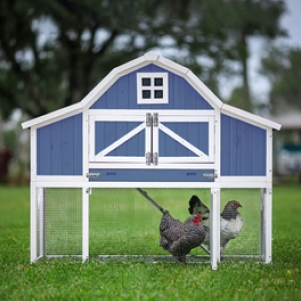
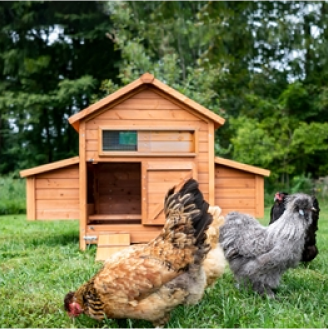

"The Clubhouse" Coop
Easy to assemble and built to last, the Clubhouse Coop is the perfect starter coop for a small flock.
Top Picks for you!
-
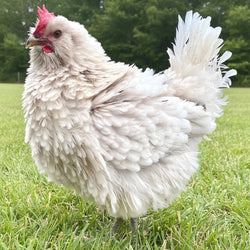 Baby Chicks: Frizzle Bountiful Blue Egg LayerRegular price From $19.99Regular priceUnit price per
 -
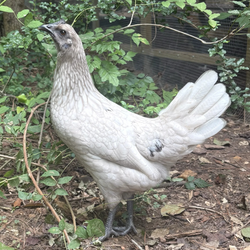 Baby Chicks: Zombie ChickenRegular price From $19.99Regular priceUnit price per
 -
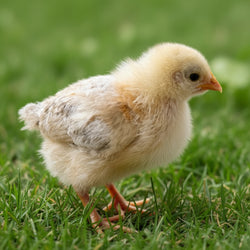 Baby Chicks: Marraduna BasqueRegular price From $29.99Regular priceUnit price per
 -
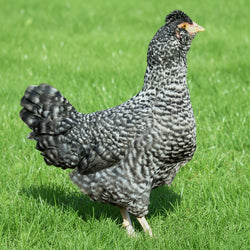 Baby Chicks: Deep Ocean CuckooRegular price From $4.99Regular priceUnit price per
 -
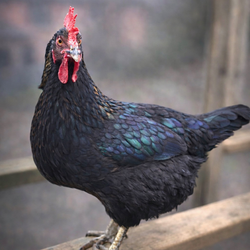 Baby Chicks: Ameribella Sex-LinkRegular price From $11.99Regular priceUnit price per
 -
 Baby Chicks: Lavender Dream Easter EggerRegular price From $24.99Regular priceUnit price per
 -
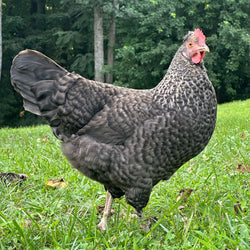 Baby Chicks: Gold Kissed Granite Olive EggerRegular price From $12.99Regular priceUnit price per
 -
 Baby Chicks: Easter EggerRegular price From $3.99Regular priceUnit price per
 -
 Baby Chicks: Black Copper MaransRegular price From $10.99Regular priceUnit price per
 -
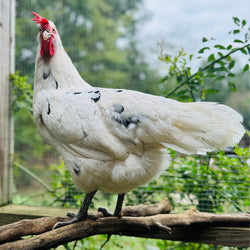 Baby Chicks: Austra WhiteRegular price From $3.49Regular priceUnit price per
 -
 Baby Chicks: AnconaRegular price From $3.99Regular priceUnit price per
 -
 Baby Chicks: Ayam CemaniRegular price $69.99Regular priceUnit price per


