Frequently Asked Questions
Here we answer the most commonly-asked questions about ordering, chicken care, and more.
Do I need to trim my chickens' nails? If so, how do I do it?
Long nails occasionally happen, and it is a good idea to trim them if they get too overgrown so your birds can walk without difficulty. In most cases they wear down on their own, but that is not always the case--sometimes trimming will help. Chickens kept in cages often have foot and nail problems, but sometimes even if your birds have solid ground and the run of the yard, their nails may grow too long if they are often broody and don't walk around enough to wear them down. I have a silkie who gets long toenails, for instance. She...
Read MoreDo I need to clip my chickens' wings?
Wing clipping--trimming the primary feathers on your chickens' wings--is not necessary unless your flock is flying into places they shouldn't be. Most breeds do not fly particularly well, so it is not usually necessary. (Juvenile chickens will typically fly better than adults, as they have reached nearly their full wingspan at that age--but not their full weight, yet.) If you decide to clip your chickens' wing feathers for some reason, you will normally want to do that about once a year, after the molt. Some people recommend trimming the feathers of one wing only because this puts the bird off...
Read MoreWhat if one of my chicks dies on the way to me?
Losses are rare (we see them happen about 1% of the time), but they do occur. For that reason, we recommend that if you have children, make sure they are not around when you open the package. If you do experience any losses, be sure to let us know within 48 hours of having received your order so your loss will be covered by our live arrival guarantee. If someone else is picking up or caring for your chicks for some reason, be sure to have them contact us within the 48-hour deadline to report any losses. When reporting losses,...
Read MoreWhat is molting?
Molting occurs once a year in adult birds older than one year, normally in late summer or autumn. During this time, birds will lose their feathers and regrow new ones. It's a way of refreshing their plumage for the winter so they'll stay warm. There are three types of molts: A hard molt. A hard molt means all the feathers are lost almost at once, so molting is over relatively quickly. A soft molt. A soft molt means the feathers are lost and regrown gradually. Sometimes you may hardly notice a soft molt, except as a reduction in laying. A...
Read MoreHow long do chickens live?
Pet chickens that are properly cared for can live a relatively long time. It's common for a chicken in a backyard setting to live 8-10 years. But we've also heard reports of chickens living as many as 20 years! The older they get, of course, the fewer eggs they lay. But they have other valuable functions besides being a loved member of the family! They are useful for tick, fly, and mosquito-eating, not to mention they're still garden fertilizer machines! You can read more information on our blog about why keeping older hens in the flock can be a great...
Read MoreHow will I know which chick, duckling, or gosling is which breed when I receive my order?
Congratulations! You've received your order of baby chicks or waterfowl from My Pet Chicken and now you want to know which breed is which. No problem! Some babies may have leg bands. You can compare the leg band color on your bird to the charts below to help identify the breeds in your order. IMPORTANT: The leg bands MUST be removed within about a week (because your chicks, ducks, or geese will be growing while the leg bands won't!). Since these are rubber bands, they are extremely easy to remove. Just grab the band and roll it down over the...
Read MoreWhat is debeaking or "beak trimming"? Do you debeak your birds?
Debeaking or "beak trimming" is what it's called when a baby chick's beak is burnt or seared off. It is painful and cruel. Here we explain more about the practice and why we're against it. Why do some breeders debeak their birds? Most rare breed hatcheries and breeders do not beak trim newly-hatched baby chicks, but often trim beaks of birds they're planning on selling when they're a bit older. The reason they do this is so they can pack the birds into a very small space. Keeping chickens in close confinement naturally causes severe stress, and in response to...
Read MoreWhat does your hatchery do with extra males and other chicks that are not adopted?
We do understand that other hatcheries may do things differently than we do--did you know that chickens are not protected by the Humane Slaughter Act the way other "food" animals are?--but we wouldn't be able to sleep at night if our hatchery engaged in those practices. The majority of the baby chicks that aren't adopted are offered up for auction near our hatching facility. A portion of the unsold chicks are humanely euthanized and we are continuously looking for better alternatives.
Read More
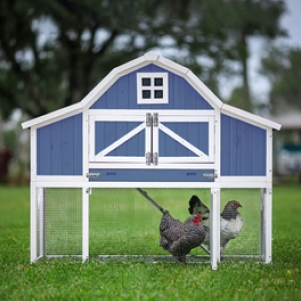
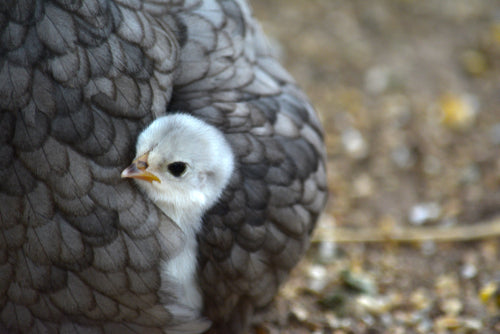
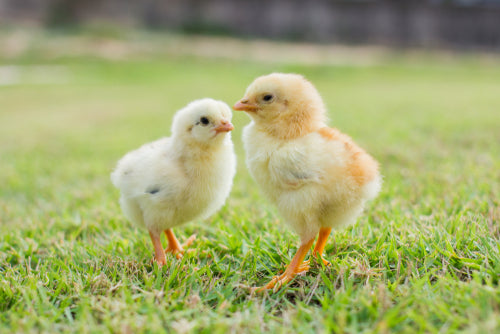
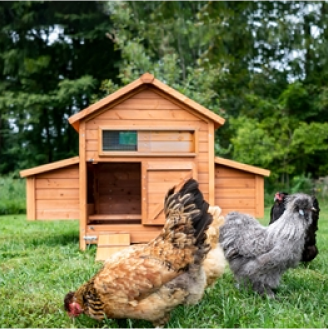

"The Clubhouse" Coop
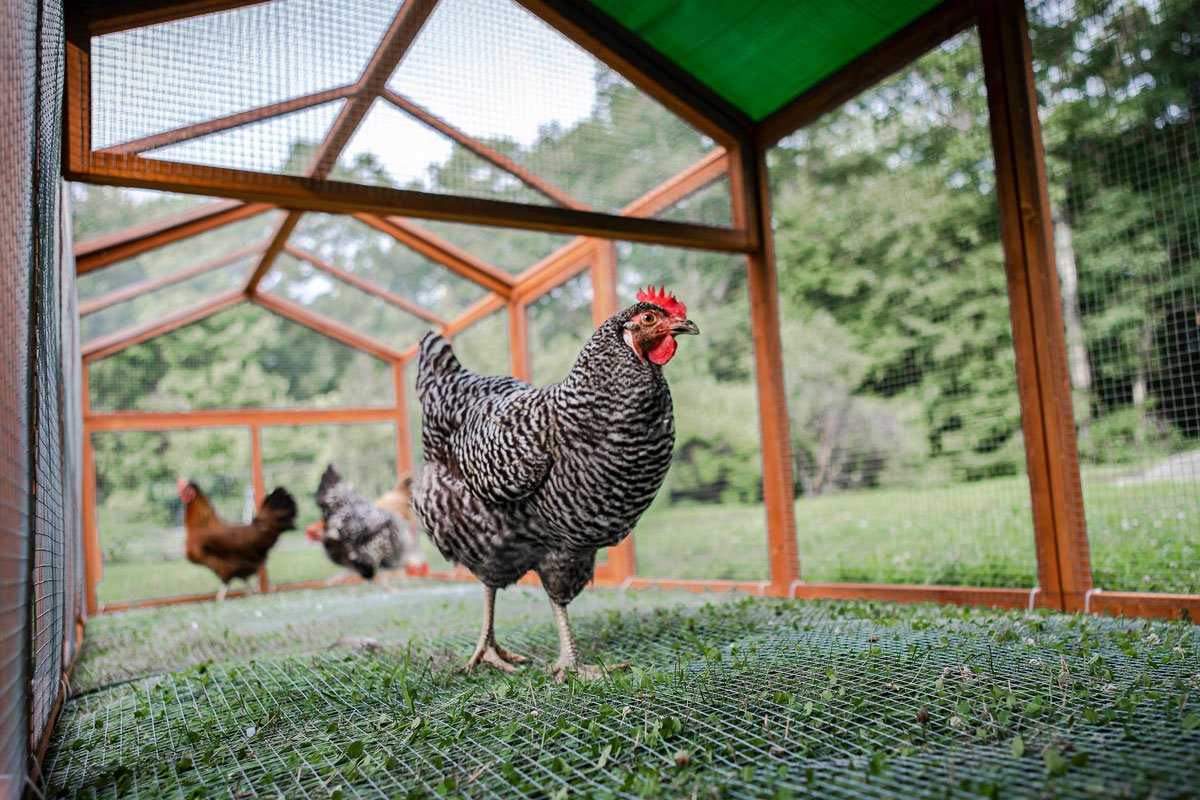
Easy to assemble and built to last, the Clubhouse Coop is the perfect starter coop for a small flock.
Top Picks for you!
-
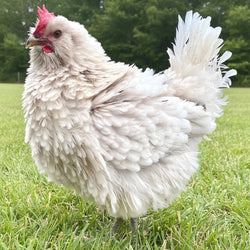 Baby Chicks: Frizzle Bountiful Blue Egg LayerRegular price From $19.99Regular priceUnit price per
 -
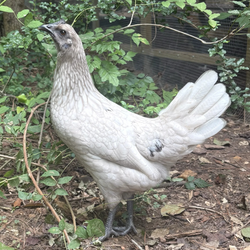 Baby Chicks: Zombie ChickenRegular price From $19.99Regular priceUnit price per
 -
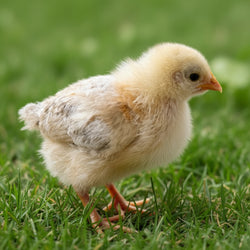 Baby Chicks: Marraduna BasqueRegular price From $29.99Regular priceUnit price per
 -
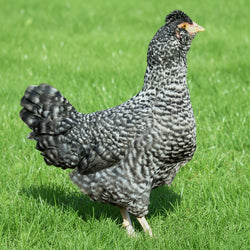 Baby Chicks: Deep Ocean CuckooRegular price From $4.99Regular priceUnit price per
 -
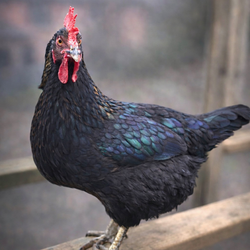 Baby Chicks: Ameribella Sex-LinkRegular price From $11.99Regular priceUnit price per
 -
 Baby Chicks: Lavender Dream Easter EggerRegular price From $24.99Regular priceUnit price per
 -
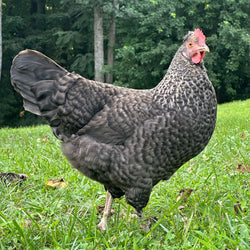 Baby Chicks: Gold Kissed Granite Olive EggerRegular price From $12.99Regular priceUnit price per
 -
 Baby Chicks: Easter EggerRegular price From $3.99Regular priceUnit price per
 -
 Baby Chicks: Black Copper MaransRegular price From $10.99Regular priceUnit price per
 -
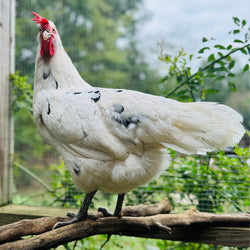 Baby Chicks: Austra WhiteRegular price From $3.49Regular priceUnit price per
 -
 Baby Chicks: AnconaRegular price From $3.99Regular priceUnit price per
 -
 Baby Chicks: Ayam CemaniRegular price $69.99Regular priceUnit price per


