Frequently Asked Questions
Here we answer the most commonly-asked questions about ordering, chicken care, and more.
My hen has sticky, tar-looking poop--is there anything wrong?
Probably not. Chickens actually produce two types of poo: fecal poo and cecal poo. Cecal poo is thicker, stinkier and stickier. It usually looks sort of like melted chocolate, and it occurs once every eight or so poos. Perhaps this is what you are seeing. If so, it is nothing to worry about. Some foods may cause sticky poo, too. Lots of barley in the diet can cause sticky, tar-like poo. Barley lacks an enzyme chickens need to digest (1,3�1,4)-�-glucan efficiently, and the poo is described as "viscous." Sometimes various fruits will cause looser, darker poo from the sugar and...
Read MoreCan I hold my rooster upside down by the feet to calm him down?
No. That's a terrible idea. Birds' respiratory systems are completely different ours, so holding your rooster upside down can cause him real problems. For example, a bird's lungs are right next to the spine and upper ribcage, so it is hard for a bird that is upside down to breathe, since the weight of all his organs will be pressing on his lungs and some of his air sacs. Normally, he will breathe via changes in pressure in the air sacs. So... when the pressure changes "unnaturally," it can make it difficult for him to compensate. Chicken's lungs can't expand...
Read MoreHow is sex determined in chickens and what does it mean?
|If you want to know how to tell the difference between males and females in chickens, please see our related questions, below. This question addresses how sex is determined in chickens genetically. In birds, the sex of the embryo is determined by the egg, not the sperm (as it is in humans). Avian sex differentiation is not determined by XY chromosomes like it is in humans and most mammals (or even the XO system used by some insects). In those systems the sex is determined by the sperm, by what the male contributes to the offspring. By contrast, birds have...
Read MoreHow can I incubate eggs that will hatch female chicks only?
The question of temperature-dependent sex determination (TSD) in chickens has been an important subject for scientific study over the last several decades. For most backyard chicken enthusiasts, females are preferred for egg laying and unwanted roosters often have to be rehomed. Wouldn't it be great if you could incubate and hatch all females, or at least hatch a much higher ratio of females than males? Sure! But as we shall see--don't get your hopes up just yet... An Australian study published in 1960 (Australian Journal of Agricultural Research 11(4) 664 - 672) found that eggs stored at 40 degrees Fahrenheit...
Read MoreHow do I get my flock to go into their coop at night so I can shut the door and make sure they're safe?
Once they have imprinted on their coop as "home," they will retire on their own at dusk. (Thus the saying: "Chickens always return home to roost.") You can get your birds to regard the coop as home by keeping them inside it for a few days after you have transferred them from the chick brooder. They will get used to sleeping there and will feel safe returning there at night. Naturally, you will want to make sure you don't keep them shut inside a hot coop in the dead heat of summer when they may get overheated--don't make the transfer...
Read MoreHow many roosters do I need in order that my hens will lay eggs?
None. Hens will lay eggs whether there are roosters around or not, just as female humans will ovulate regardless of the sexes of their companions. The eggs will not be fertile without a rooster, however.
Read MoreDo my chickens need to be wormed, and if so, what schedule should I use?
If your chickens have worms, you will want to treat them. Some signs you can look for at home are pale combs, a drop in laying, and watery poo. However, it does no good to worm your flock--even on a seasonal schedule--unless you know precisely what type of infestation they are suffering from. Keep in mind that particular wormers are only useful for particular parasites, so it is best to get a diagnosis as to which you are addressing. That way you will know which wormer will help their condition. Otherwise, you simply may be stressing their systems out by...
Read MoreWhen I buy a hatchery choice assortment, will you be able to tell me which birds I received?
Assortments are often more available than specific breeds are, and sometimes even bargain priced. However, no record is kept of which birds are used to fulfill assortments, I'm afraid. They are fulfilled with the breeds that hatched well that week. To determine what you received, you can compare your chicks to the list of possible breeds and the photos on our site to try to identify them. In some cases, you may know instantly what you have received, and in others you may not be absolutely sure until the birds get their mature plumage, so it can be an exciting...
Read More
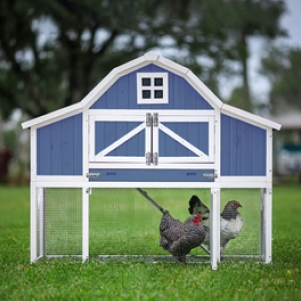
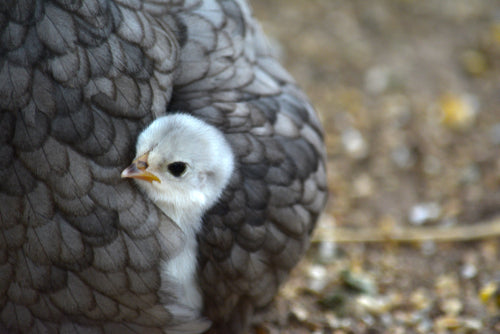
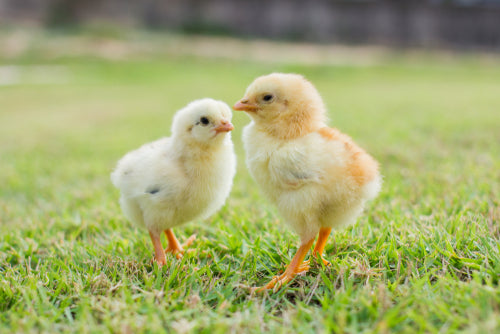
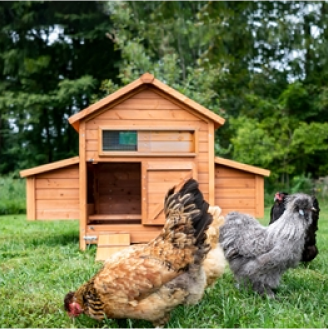

"The Clubhouse" Coop
Easy to assemble and built to last, the Clubhouse Coop is the perfect starter coop for a small flock.
Top Picks for you!
-
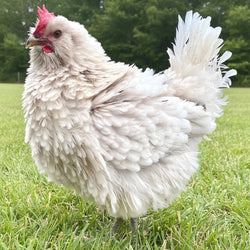 Baby Chicks: Frizzle Bountiful Blue Egg LayerRegular price From $19.99Regular priceUnit price per
 -
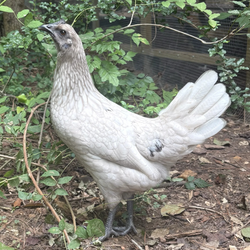 Baby Chicks: Zombie ChickenRegular price From $19.99Regular priceUnit price per
 -
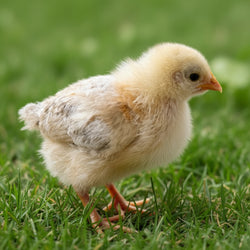 Baby Chicks: Marraduna BasqueRegular price From $29.99Regular priceUnit price per
 -
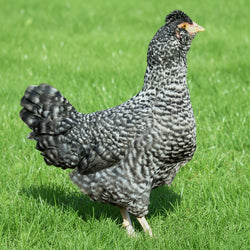 Baby Chicks: Deep Ocean CuckooRegular price From $4.99Regular priceUnit price per
 -
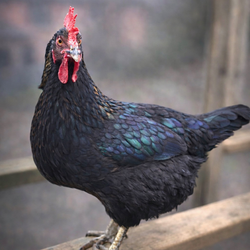 Baby Chicks: Ameribella Sex-LinkRegular price From $11.99Regular priceUnit price per
 -
 Baby Chicks: Lavender Dream Easter EggerRegular price From $24.99Regular priceUnit price per
 -
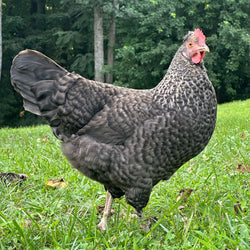 Baby Chicks: Gold Kissed Granite Olive EggerRegular price From $12.99Regular priceUnit price per
 -
 Baby Chicks: Easter EggerRegular price From $3.99Regular priceUnit price per
 -
 Baby Chicks: Black Copper MaransRegular price From $10.99Regular priceUnit price per
 -
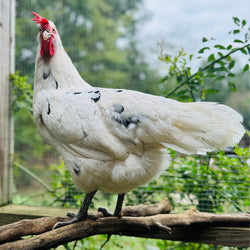 Baby Chicks: Austra WhiteRegular price From $3.49Regular priceUnit price per
 -
 Baby Chicks: AnconaRegular price From $3.99Regular priceUnit price per
 -
 Baby Chicks: Ayam CemaniRegular price $69.99Regular priceUnit price per


