Frequently Asked Questions
Here we answer the most commonly-asked questions about ordering, chicken care, and more.
How can I stop my baby chicks from pecking each other in the brooder?
In most cases, you needn't worry. When you first receive them, your little chicks are hungry, and their instincts can tell them to peck at anything to see if it is good to eat: food, funny looking pine shavings, spots on the brooder walls, toes, eyes, freckles on your arm, and anything else. Once they learn what food is, they will not likely peck at anyone else unless they get stressed (too crowded, too hot, etc.), or they are establishing the pecking order. Right now you can sort-of think of them as little toddlers, "testing" everything by trying to put...
Read MoreAre there any concerns I should have when keeping or caring for chickens while pregnant?
You will want to take the same kinds of precautions you would take with any pets: wash your hands after handling them and so forth. Avian and human metabolisms are quite different, so there are few things that affect both humans and birds (even lice that are interested in your chickens are not interested in humans). However, just like cats, birds can get toxoplasmosis. This is the reason pregnant women are advised not to clean a cat box while pregnant. And for that reason, you may want to have your partner clean the brooder or coop while you're pregnant, just...
Read MoreHow do I get started breeding my chickens?
When a female animal is "in heat," she is ovulating and/or ready to be mated. In some animals mating induces ovulation, but this isn't the case with chickens. In fact, hens of most breeds ovulate more or less year round: they ovulate yolks, enclose them in albumen and shells, and lay the eggs. If your hens are laying eggs, they are ready to be mated. Presuming your rooster is old enough to be sexually mature (5 - 6 months or so), he is likely mating your hens when you are not around. Just because you don't see him mating, that...
Read MoreCan I use a fan to cool the brooder down? My chicks are arriving in the heat of summer, and my brooder is in a hot room.
Baby chicks need it very warm to be comfortable--most people would call it hot. For the first week of their lives, they need temperatures of about 95 degrees Fahrenheit (and the temperature should be reduced by five degrees each week thereafter until they are acclimated to the surrounding environment). That said, they can indeed overheat if the temperature gets much above that. If you see your baby chicks panting or gasping with their beaks open like the little chick in the photo below, it is too hot in your brooder. Reduce the heat immediately, and give them a place to...
Read MoreWhat methods of payment do you accept?
We accept the following forms payment at this time: Visa Mastercard Discover Apple Pay Google Pay PayPal Venmo Meta Pay ShopPay Diners Club
Read MoreAt what age can my chickens begin eating treats?
We don't really recommend feeding your new baby chicks treats right away, because they should first learn what their feed is so they will be able to get a balanced diet. Treats do not provide a balanced, nutritious diet, and it's important to give your chicks a good start in life. Keep in mind that if the baby chicks are raised by mother hen, she will get them to eat anything good that she eats, right from the beginning. There is never an age that they are too young for free ranging or eating some specific food. They are hardy...
Read MoreCan I catch bird flu (avian influenza) if I keep chickens?
No. But it's always a good idea to be informed, to practice good biosecurity, and to cook your eggs and meat all the way through.Bird flu, or Avian Influenza (AI), is a viral disease that can infect domestic poultry. There are two types of AI viruses: low pathogenicity (LPAI) and high pathogenicity (HPAI). Whether a virus is LPAI or HPAI depends on the severity of the illness it causes. HPAI is the extremely infectious and deadly-to-birds form of the disease that you've probably heard about. It can spread rapidly from flock to flock. In 2022, the USDA is finding some...
Read MoreCan unvaccinated chickens get Marek's Disease from vaccinated chickens?
The Marek's Disease vaccination is attenuated, which means, in most cases, it's not even developed using the Marek's virus. Instead, it's developed using a different illness common to turkeys, but which causes the chickens in question to develop immunity to Marek's. This is the same way the small pox vaccine was developed for humans: the vaccine is actually based on cowpox. However, cowpox provided immunity from deadly smallpox, even though you can't get smallpox from the vaccine. We know of no reports or studies showing that nonvaccinated birds can be infected with Marek's Disease by exposure to birds vaccinated for...
Read More
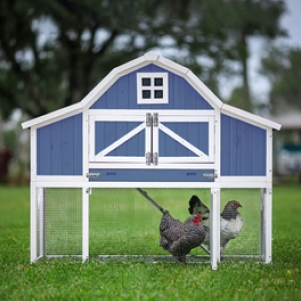
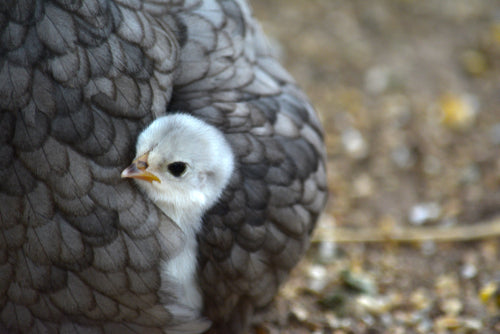
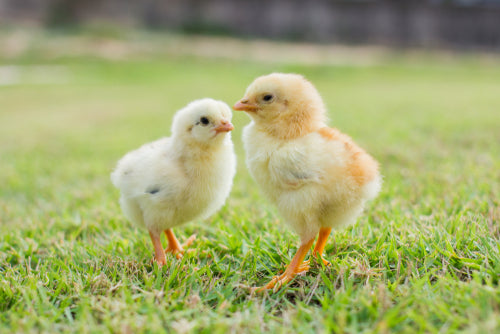
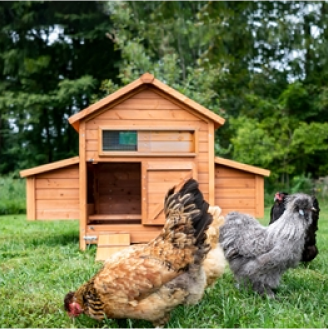

"The Clubhouse" Coop
Easy to assemble and built to last, the Clubhouse Coop is the perfect starter coop for a small flock.
Top Picks for you!
-
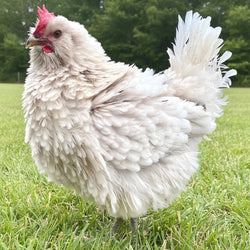 Baby Chicks: Frizzle Bountiful Blue Egg LayerRegular price From $19.99Regular priceUnit price per
 -
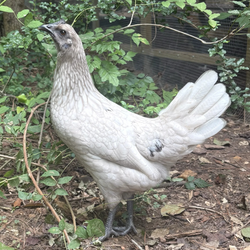 Baby Chicks: Zombie ChickenRegular price From $19.99Regular priceUnit price per
 -
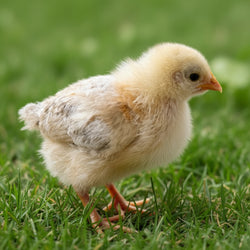 Baby Chicks: Marraduna BasqueRegular price From $29.99Regular priceUnit price per
 -
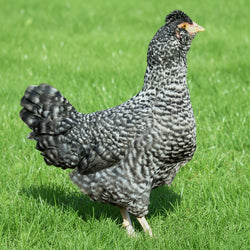 Baby Chicks: Deep Ocean CuckooRegular price From $4.99Regular priceUnit price per
 -
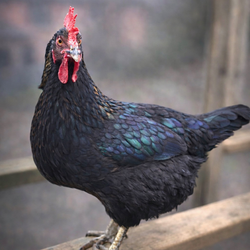 Baby Chicks: Ameribella Sex-LinkRegular price From $11.99Regular priceUnit price per
 -
 Baby Chicks: Lavender Dream Easter EggerRegular price From $24.99Regular priceUnit price per
 -
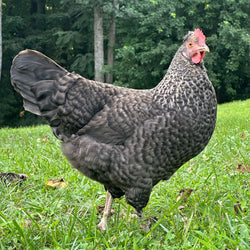 Baby Chicks: Gold Kissed Granite Olive EggerRegular price From $12.99Regular priceUnit price per
 -
 Baby Chicks: Easter EggerRegular price From $3.99Regular priceUnit price per
 -
 Baby Chicks: Black Copper MaransRegular price From $10.99Regular priceUnit price per
 -
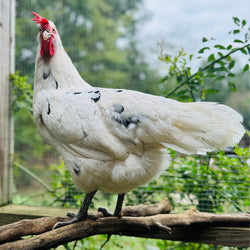 Baby Chicks: Austra WhiteRegular price From $3.49Regular priceUnit price per
 -
 Baby Chicks: AnconaRegular price From $3.99Regular priceUnit price per
 -
 Baby Chicks: Ayam CemaniRegular price $69.99Regular priceUnit price per


