Frequently Asked Questions
Here we answer the most commonly-asked questions about ordering, chicken care, and more.
Do you send extra chicks with every order?
No, most of the time, we do not add extra chicks. Especially with small orders, we are careful not to add chicks (although it may happen occasionally, usually only if we've miscounted!). For larger orders of 25 or more chicks, it is more common to receive an extra. We understand that most of you are ordering very small quantities of birds, and may only be allowed to keep the exact number you have ordered. Since we ship our chicks with heat packs when the weather calls for it, we don't add "extra males for warmth" like other hatcheries do. If...
Read MoreWhat breed do you cross Ameraucanas with to get Easter Eggers?
We don't breed our Easter Eggers with anything else, only Easter Eggers. Since you know Easter Eggers are not purebred birds, it's sort of a confusing thing to say, but keep in mind that the Easter Eggers were actually here first, before there were Araucana or Ameraucana breed standards at all. Easter Egger hen Let me explain: The standards for breeding Araucanas were set up first, in kind of a backwards way. Normally, to get a new breed officially recognized, breeders get together and propose standards to the APA (American Poultry Association), and then there are certain requirements that must...
Read MoreHow do we make sure that our older laying hens don't eat our younger chickens' starter feed, and vice versa, since the two age groups are meant to have different feeds?
Good question! Typically, you don't want your chicks to eat layer feed since it has too much calcium for them, and you don't want your laying hens to eat too much chick starter because it lacks the calcium they need to produce strong egg shells. However, if your birds are kept in the same area, it's virtually impossible to guarantee your birds will eat the right feed (and with typical perversity, they are usually drawn to the feed you don't want them to eat!) If you have birds of different ages that may have different dietary needs, there is a...
Read MoreHow do I introduce new chickens into my old flock?
We get questions about this all the time! Let there be no doubt: adding new birds to your pre-existing crew can be stressful, both to you and the birds. Your flock, peaceful because every hen knows her place in the pecking order, will be thrown all out of whack by the addition of newcomers. Every hen and roo will once again have to vye for his or her spot on the pecking order. At times it can seem like all-out war! The good news: it only lasts about a week, and there are a few things you can do to...
Read MoreTips to Keep Your Chicken Coop Smelling Fresh in the Summer Heat
Keeping your chicken coop smelling good during the summer heat can be challenging, but with the right strategies, you can maintain a fresh and healthy environment for your birds. Here are some effective tips: 1. Regular Cleaning and Fresh Bedding The most important tip is to keep your coop clean and your bedding fresh. Use pine shavings or hemp instead of straw, as they are more absorbent and decompose slower. Straw, on the other hand, rots quickly and is not absorbent, requiring more frequent cleaning. 2. Manage Humidity In humid conditions, even pine shavings can get wet and release ammonia,...
Read MoreHow is Salmonella infection transmitted to chickens in the first place?
You probably don't have to worry about well cared for backyard hens getting ill with salmonella if you provide a clean environment for them. Hens in factory farms usually get infected because they have eaten rat droppings from the conveyor belt that carries their feed. Apart from rat and rodent droppings, chicks can hatch ill with salmonella, having had it passed to them by their mothers. Chickens that are purchased at auctions, shows or other places may pass an illness into your own flock. Chickens that are ill with Salmonella can also pass it to other flock members if their...
Read MoreDemystifying the Salmonella symptoms in chicken: A complete guide
Salmonella infection in chickens is a concern for poultry owners and a potential source of contamination for humans. Understanding Salmonella symptoms in chickens is crucial for your flock's welfare and your family's safety. Some infected chickens may remain asymptomatic, making early detection challenging. In this comprehensive guide, we delve into the various symptoms associated with Salmonella infection in chickens, shedding light on what to watch for and when to seek veterinary assistance. Whether you're a seasoned poultry keeper or new to raising chickens, this article will provide valuable insights into recognizing and managing Salmonella symptoms in your feathered friends. What...
Read MoreShould I be concerned about lead in the environment when I keep chickens?
It's not a common problem, but it is an area of concern. Common sense will tell you not to keep your chickens around peeling or flaking paint, lead based or not. But while you can probably identify if you have paint chips falling into an area your chickens frequent, you may not be aware of any contamination that is not visual--- and that's the danger. For example, if you live in an area of old homes that may have used (once common) lead-based paint on siding, trim, barns or other outbuildings, the lead from old paint chips may have turned...
Read More
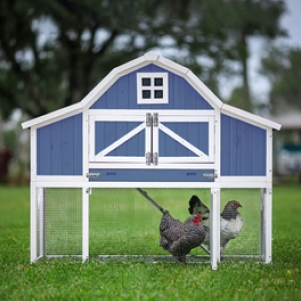
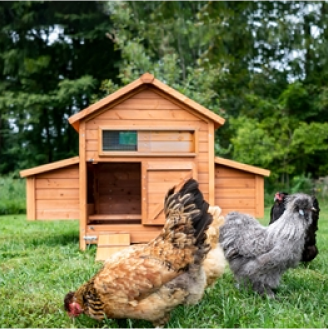

"The Clubhouse" Coop
Easy to assemble and built to last, the Clubhouse Coop is the perfect starter coop for a small flock.
Top Picks for you!
-
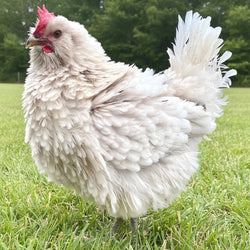 Baby Chicks: Frizzle Bountiful Blue Egg LayerRegular price From $19.99Regular priceUnit price per
 -
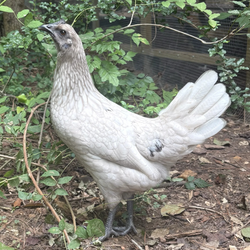 Baby Chicks: Zombie ChickenRegular price From $19.99Regular priceUnit price per
 -
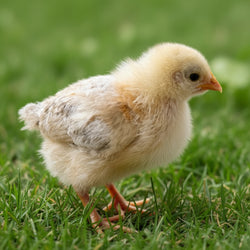 Baby Chicks: Marraduna BasqueRegular price From $29.99Regular priceUnit price per
 -
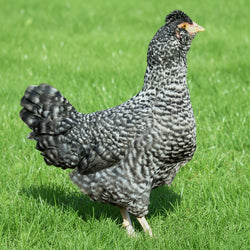 Baby Chicks: Deep Ocean CuckooRegular price From $4.99Regular priceUnit price per
 -
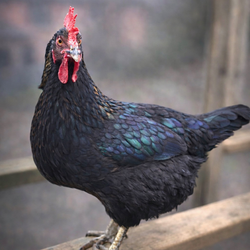 Baby Chicks: Ameribella Sex-LinkRegular price From $11.99Regular priceUnit price per
 -
 Baby Chicks: Lavender Dream Easter EggerRegular price From $24.99Regular priceUnit price per
 -
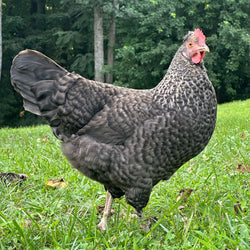 Baby Chicks: Gold Kissed Granite Olive EggerRegular price From $12.99Regular priceUnit price per
 -
 Baby Chicks: Easter EggerRegular price From $3.99Regular priceUnit price per
 -
 Baby Chicks: Black Copper MaransRegular price From $10.99Regular priceUnit price per
 -
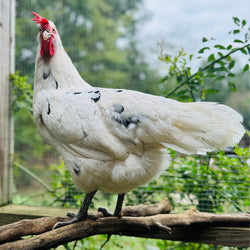 Baby Chicks: Austra WhiteRegular price From $3.49Regular priceUnit price per
 -
 Baby Chicks: AnconaRegular price From $3.99Regular priceUnit price per
 -
 Baby Chicks: Ayam CemaniRegular price $69.99Regular priceUnit price per


