Frequently Asked Questions
Here we answer the most commonly-asked questions about ordering, chicken care, and more.
All about Coccidiosis disease
Coccidiosis is very common in chicks, especially ones that may be stressed from shipping or from being introduced to a new location. You can help by keeping your chicks as stress-free as possible, and by keeping their brooder dry. Some people choose to use medicated feed to combat susceptibility to this disease while the chicks develop a resistance, while others use regular feed and have no trouble with cocci. We discuss medicated feed and more, below: Coccidiosis Also called Cocci Prevalence Very common Signs General signs - Loss of appetite, weight loss or stunted growth, ruffled feathers, lethargy, and (for...
Read MoreI plan on vaccinating my chickens. Is there anything else I can do to prevent my flock from getting Marek's disease?
In order to prevent the symptoms of Marek�s disease from affecting your flock, we highly recommend getting your baby chicks vaccinated at hatch. Chicks should be vaccinated as soon as possible after hatching because the vaccine is not effective when given to chicks already exposed to Marek�s disease. In order to increase the effectiveness of the vaccine, keep your chicks indoors and away from all other birds until the chicks are 14 days old, at which point the vaccine will have started to take effect.The symptoms of Marek�s occur more frequently in chickens that are stressed. Some types of stress...
Read MoreMy chicken cannot walk. Does she have Marek's disease?
Lameness is a very common symptom of Mareks� disease, but there are many other conditions that can also cause paralysis or lameness in your chicken. Nutritional Deficiencies, such as rickets, vitamin E deficiency, and vitamin B1 or B2 deficiencies can cause problems that may mimic some of the symptoms of Marek�s disease. Botulism and certain poultry diseases such as Encephalomyelitis, Aspergillosis, or Lymphoid Leukosis can cause paralysis in chickens. If you have a bird showing symptoms of any illness, quarantine her right away, and have an avian vet diagnose her.
Read MoreMy hen was vaccinated for Marek's disease as a chick, but I still lost her to this illness. How could this have happened?
Marek's disease is very common and will eventually end up in most backyard flocks, whether or not the flocks have been vaccinated. It's strange but true! The Marek's vaccination helps prevent some of the most severe symptoms of Marek's disease, but does not prevent the actual transmission of the virus. The vaccine is very effective, but not 100% foolproof, which means a small percentage of vaccinated chickens might still succumb to the symptoms and die. Since the Marek's vaccination prevents tumors in over 90% of vaccinated chickens who are exposed to Marek's, we highly recommend getting your chicks vaccinated at...
Read MoreWhy do my hens stop or almost stop laying in the late fall and winter months?
A chicken's reproductive cycle begins with her eyes, or possibly in her skull or even her skin, as one NC State extension article stated: The major environmental cue for control of reproduction is day length. Reception of light for reproductive purposes by the pullet is not primarily through the eyes but rather by the light energy penetrating the skull, skin and feathers and then perceived by an organ within the brain. My brain, you say? Light cues tell your chicken's body whether to release a yolk from her ovaries that will be turned into an egg. Even if the winter...
Read MoreIs it ever okay to help a chick out of the shell?
Generally speaking you will NOT want to intervene in the hatching process when incubating fertile eggs. If conditions in the incubator are right, it can take 24 hours for a chick to escape the egg after it has pipped, and that's perfectly natural and not a cause for concern. Often it takes much less time, but 24 hours or so is fairly common, too. If it's been more than 24 hours since the chick first pipped and you have had problems maintaining a high enough humidity during incubation, the problem may be simply that the chick is stuck to the...
Read MoreIs it true that modern, purebred chickens can't hatch their own eggs?
No, that's not true. First, broodiness is not tied to whether a chicken is purebred or not. Broodiness depends more on a chicken's breed, her genetic background. For instance, Rhode Island Reds very seldom go broody. Leghorns and other Mediterranean breeds are very unlikely to go broody, too, because not going broody very often is just a characteristic of those breeds. Other breeds may go broody very frequently--too frequently, some people find! For instance, orpingtons and silkies often seem to be broody most of the time. Second, as for "modern" breeds being less likely to brood, that's not true, either....
Read MoreAll about Avian Encephalomyelitis disease
Avian encephalomyelitis (AE) is a neurological disease that causes symptoms that are similar to many other diseases. Some improper flock management practices (including incorrect use of supplements or nutritional deficiencies) can also lead to comparable symptoms, so you may need a veterinarian to provide a firm diagnosis. There is no treatment for the virus that causes AE, and while birds that recover do not continue to be lifelong carriers of the virus, their egg laying frequency will likely be diminished. There are steps you can take to reduce your flock's risk of spreading the disease among itself. Read on to...
Read More
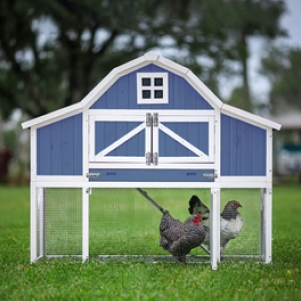
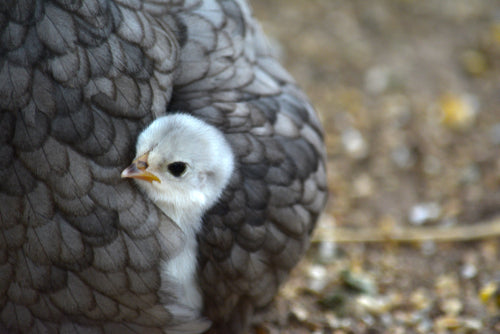
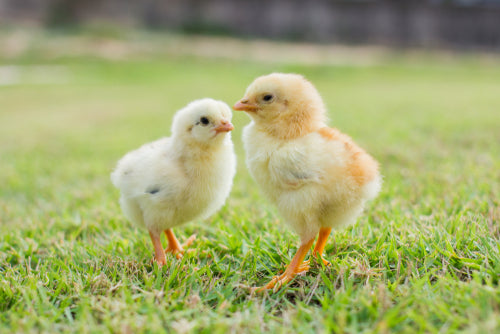
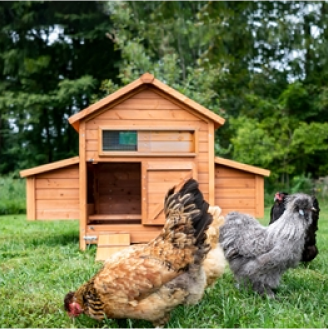

"The Clubhouse" Coop
Easy to assemble and built to last, the Clubhouse Coop is the perfect starter coop for a small flock.
Top Picks for you!
-
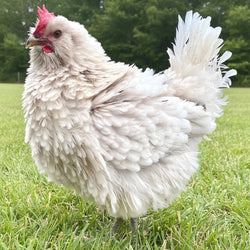 Baby Chicks: Frizzle Bountiful Blue Egg LayerRegular price From $19.99Regular priceUnit price per
 -
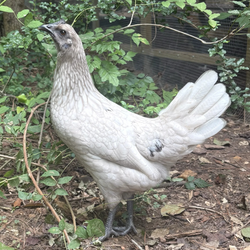 Baby Chicks: Zombie ChickenRegular price From $19.99Regular priceUnit price per
 -
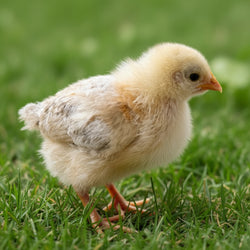 Baby Chicks: Marraduna BasqueRegular price From $29.99Regular priceUnit price per
 -
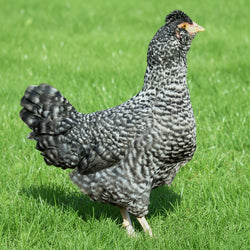 Baby Chicks: Deep Ocean CuckooRegular price From $4.99Regular priceUnit price per
 -
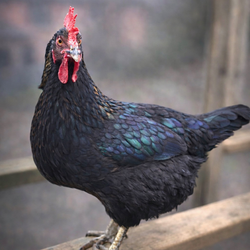 Baby Chicks: Ameribella Sex-LinkRegular price From $11.99Regular priceUnit price per
 -
 Baby Chicks: Lavender Dream Easter EggerRegular price From $24.99Regular priceUnit price per
 -
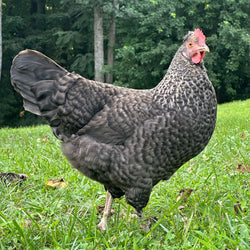 Baby Chicks: Gold Kissed Granite Olive EggerRegular price From $12.99Regular priceUnit price per
 -
 Baby Chicks: Easter EggerRegular price From $3.99Regular priceUnit price per
 -
 Baby Chicks: Black Copper MaransRegular price From $10.99Regular priceUnit price per
 -
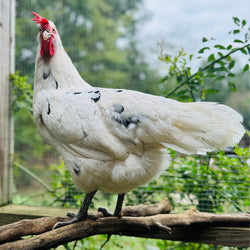 Baby Chicks: Austra WhiteRegular price From $3.49Regular priceUnit price per
 -
 Baby Chicks: AnconaRegular price From $3.99Regular priceUnit price per
 -
 Baby Chicks: Ayam CemaniRegular price $69.99Regular priceUnit price per


