Frequently Asked Questions
Here we answer the most commonly-asked questions about ordering, chicken care, and more.
All about Mycoplasma disease
Mycoplasma may exhibit mild symptoms in chickens, but once they have it, they can be carriers for life. While mycoplasma is deadly in turkeys, in chickens, it can reduce laying frequency in your flock and be passed from the mother hen to the chick in the egg. This is a reportable disease that really demands a veterinarian's expert diagnosis and treatment plan. Read on to find out more: Mycoplasmas Also called There are several mycoplasmas, which are variously known as Mycoplasma gallisepticum, Mycoplasma synoviae, MG, Chronic Respiratory Disease, Infectious sinusitis (in turkeys) Prevalence Common in large commercial laying or meat...
Read MoreAll about Coryza disease
Coryza is the chicken equivalent of the "common cold" - but interestingly enough, colds in humans are caused by viruses, while coryza is caused by a bacteria in chickens. Thankfully, this disease is rarely fatal, and chickens recover from it within a matter of weeks. But it can look like many other respiratory diseases, so you will want your vet to diagnose any ailing members of your flock to be sure you're treating them correctly. Read on for more information about this common chicken ailment: Coryza Also called Cold, Infectious Coryza, IC, Roup Prevalence Common Signs General signs - Loss...
Read MoreAll about Crossed Beak in chickens
When you see a chicken with cross beak, you know it! Cross beak is exactly what it sounds like: a chicken's beak is "crossed," or the top and the bottom don't match up exactly when the bird's mouth is closed. While this may cause great concern for the chicken-keeper, thankfully, in most cases, the bird can go on to live a relatively normal life. Keep reading to find out more: Crossed beak Also called Cross beak, scissor beak, scissors beak, crooked beak, lateral beak deviation Prevalence Common Signs General signs - Easy to identify: when a chicken�s beak is or...
Read MoreAll about Splay Leg, a.k.a. Spraddle Leg
Spraddle leg, also called "splay leg," can be caused or exacerbated by brooding on a slick surface such as newspaper. (We recommend these types of bedding, instead.) It's as if the chick is trying to stand upright wearing roller skates: her feet keep sliding out from beneath her. Alternately, some cases are caused by the bird being poorly positioned in the egg, or by various vitamin deficiencies. Signs of Splay Leg In serious cases, the chick is (or gosling or duckling) is unable to stand up; legs point to either side of the body rather than beneath the body to...
Read MoreWhat is a pasty vent, and how do I treat it?
A pasty vent, or "pasting up," "pasty butt," or "vent gleet," is a stress-induced condition in which droppings dry and cake up around the vent of young baby chicks. It is most dangerous when it completely blocks their vent opening, because the chick will be unable pass any more droppings. A baby chick will typically die within 2 days of onset of a blocked vent, so it's important that you remedy this problem quickly. Diagnosis A pasty vent is easy to diagnose. The dried poo will be stuck to the outside of their rear, totally or partially covering their vent:...
Read MoreAll about Pullorum disease
Watch out for Pullorum Disease! Not only can it infect your flock, it can also make humans sick, too. If your flock becomes infected, you will likely need to euthanize them all to keep this highly communicable disease from spreading. Read on to find out more: Pullorum Disease Also called PD, Bacillary White Diarrhea, BWD, White Diarrhea Prevalence Rare Signs General signs - In chicks: lack of appetite, lethargy, huddling near heat source and fluffed up down. Pain and shrill peeping during defecation. In hens, excessive thirst, shrivelled comb, drop in laying. Cardinal or diagnostic signs - White or green...
Read MoreAll about Omphalitis disease
Imagine a belly-button infection--that's basically Omphalitis. Developing or newly-hatched baby chicks are susceptible to infection of their navels if incubator or brooder conditions are not ideal, or the infection is spread by a well-meaning human. Read on to find out more about this disease and how to prevent it: Omphalitis Also called Navel infection, mushy chick, yolk sac infection Prevalence Common Signs General signs - Lack of appetite, lethargy, huddling near heat source and fluffed up down. Chicks may also die in shell late during incubation. Loose stools may also be a symptom. Cardinal or diagnostic signs - Unhealed, swollen...
Read MoreAll about Heart Attack in chickens
Heart attack in chickens is quick and deadly, and occurs most often in birds in commercial meat breed operations. Fortunately, heart attack is not often found in backyard flocks because pet birds stay generally healthy through regular exercise (foraging), and are fed a quality diet. But if you find one of your birds upside-down or on their side, deceased, with no prior symptoms, the likely cause of death was heart attack. Read on to find out more: Heart attack Also called Sudden Death Syndrome, SDS, acute death syndrome, flip-over disease, acute heart failure Prevalence Uncommon in layers, relatively common in...
Read More
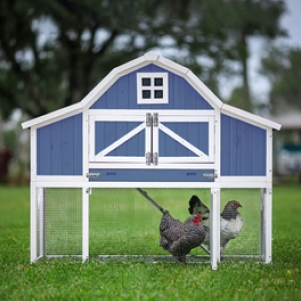
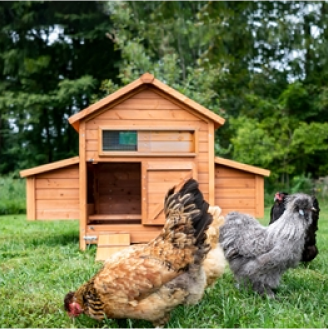

"The Clubhouse" Coop
Easy to assemble and built to last, the Clubhouse Coop is the perfect starter coop for a small flock.
Top Picks for you!
-
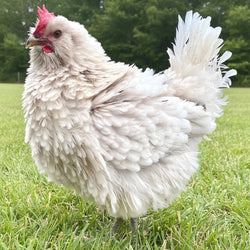 Baby Chicks: Frizzle Bountiful Blue Egg LayerRegular price From $19.99Regular priceUnit price per
 -
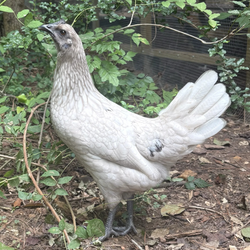 Baby Chicks: Zombie ChickenRegular price From $19.99Regular priceUnit price per
 -
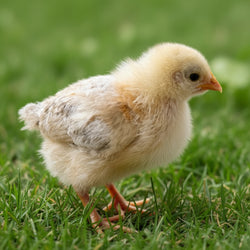 Baby Chicks: Marraduna BasqueRegular price From $29.99Regular priceUnit price per
 -
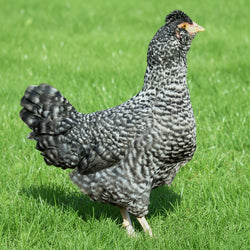 Baby Chicks: Deep Ocean CuckooRegular price From $4.99Regular priceUnit price per
 -
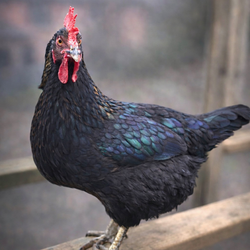 Baby Chicks: Ameribella Sex-LinkRegular price From $11.99Regular priceUnit price per
 -
 Baby Chicks: Lavender Dream Easter EggerRegular price From $24.99Regular priceUnit price per
 -
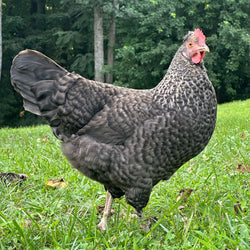 Baby Chicks: Gold Kissed Granite Olive EggerRegular price From $12.99Regular priceUnit price per
 -
 Baby Chicks: Easter EggerRegular price From $3.99Regular priceUnit price per
 -
 Baby Chicks: Black Copper MaransRegular price From $10.99Regular priceUnit price per
 -
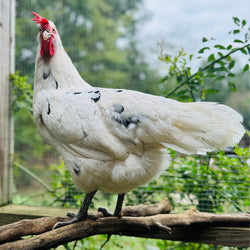 Baby Chicks: Austra WhiteRegular price From $3.49Regular priceUnit price per
 -
 Baby Chicks: AnconaRegular price From $3.99Regular priceUnit price per
 -
 Baby Chicks: Ayam CemaniRegular price $69.99Regular priceUnit price per


