page=4&srsltid=AfmBOopg0E8-ZB2URFnMiVKv_t6geyf_fnp70xAW6KjiUJTpGVMV77Al/--
Frequently Asked Questions
Here we answer the most commonly-asked questions about ordering, chicken care, and more.
How to Raise Quail.
Raising quail can be a rewarding and fascinating experience. These low-maintenance, compact birds are popular among backyard enthusiasts for their high egg production and unique characteristics. This guide provides essential information on successfully raising quail, whether for eggs or as charming pets. Research Quail Breeds and Local Regulations Before embarking on your quail-raising journey, it's important to research different quail breeds and choose the ones that best suit your purpose. Some common quail breeds include Coturnix (Japanese) quail, Bobwhite quail, and California quail. Additionally, check local regulations or consult with your local agricultural extension office to ensure you comply with...
Read MoreWhat is a feeder for my pet chickens?
A feeder is the item you use to dispense feed for your flock. Of course, you could always just dispense feed on the ground or in a dish, but there would be a lot of feed wasted that way. Chickens tend to scratch and scatter the feed around, so chicken feeders are designed to minimize that. There are many different types of chicken feeders to choose from. For example, there are the common and inexpensive basic plastic feeders. They're tried and true, but they aren't fancy! Then there are the feeders with special features. For example, some feeders can be...
Read MoreWhat is a fertilized chicken egg?
Fertile eggs are those that contain both ova and sperm, and will develop into a baby chick if incubated. If you have nothing but hens in your flock, you will not have fertilized eggs---you would need a male rooster for that. Fertilized eggs are fine to eat; there is just a slight difference between a fertile and infertile egg. There is no difference in taste, and you can only tell the difference between infertile and fertile (unincubated) contents if you're very sharp-eyed. Illustration by Ray Yang for My Pet Chicken
Read MoreWhy don't you sell chicks year round?
We do sell chicks most of the year round, but there are a variety of reasons baby chicks aren't available for purchase at all times. Chickens naturally lay fewer eggs in the colder, darker months of winter. Some breeds stop entirely. Fertility is usually lower in the winter, too, so fewer chicks will hatch. In addition, in the fall and winter, our hens will be molting and regrowing new feathers for the coming year, so even those breeds that are good winter layers may lay reduced numbers of eggs, or may briefly stop laying until molting is over. That means...
Read MoreWhat are shanks and spurs?
|A chicken's shank is the bottom part of her leg, above the foot, but below the hock. The spur is the chicken's chief weapon, and grows out of the shank. It's something every chicken has... but generally only the spurs of males grow very large. Older hens may grow larger spurs as their hormones change, and there are some breeds where it's fairly common for younger hens to have spurs, too. But for the most part, hens will simply have small spur numbs.
Read MoreAll about Salmonella disease
The word "Salmonella" evokes fear in the hearts of chicken-keepers. A healthy respect for this bacterium is certainly justified, but should not be blown out of proportion. The main concern is that Salmonella can be transferred to humans and can make us very sick, or in some cases even cause death. Thankfully, practicing good biosecurity and following the CDC's guidelines can keep humans safe. Unfortunately, though, the prognosis isn't so good for chickens that become infected with Salmonella. Read on to find out more. Salmonella (general) Various types of Salmonella infection include Pullorum, Typhoid, Paratyphoid, Arizonosis, Paracolon, various other names...
Read MoreAll about Perosis disease
Perosis is a nutritional deficiency that can cause swollen, twisted, broken, or bowed legs, or loss of color in feathers, the comb, or the roof of the mouth. Thankfully, nutritional deficiencies can be avoided by making sure your flock has free-choice access to complete, nutritionally-balanced feed. Don't just feed them scratch or kitchen scraps; that can cause problems for them later on! Read on to find out more: Perosis Also called Slipped tendon, chondrodystrophy Prevalence Uncommon in layers, common in heavy, fast growing chicken breeds used for meat production. Signs General signs Swollen hocks, one or both legs twisted to...
Read MoreAll about Polyneuritis disease
If one of your bird's neck muscles seems to have "frozen" in a position that leaves them staring at the sky, it's possible they have polyneuritis, or "star gazing" disease. This is caused by a thiamine deficiency that can usually be avoided by giving your flock free-choice access to complete, nutritionally-balanced feed. Don't just feed your flock scratch or kitchen scraps, as that can leave gaps in their nutrition. Read on to find out more. Polyneuritis Also called Star gazing, Thiamine deficiency Prevalence Uncommon, particularly so in backyard flocks with access to pasture. Signs General signs - Lack of appetite,...
Read More
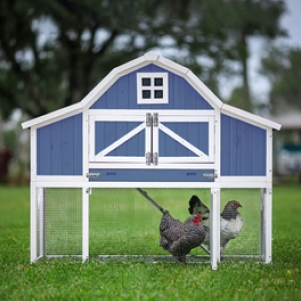
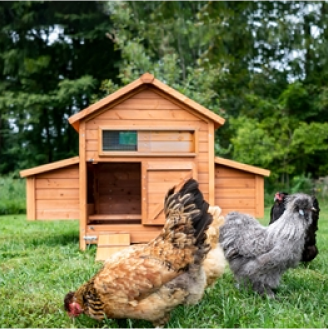

"The Clubhouse" Coop
Easy to assemble and built to last, the Clubhouse Coop is the perfect starter coop for a small flock.
Top Picks for you!
-
 Baby Chicks: Blue/Black/Splash Wheaten Olive EggerRegular price From $24.99Regular priceUnit price per
 -
 Baby Chicks: Marraduna BasqueRegular price From $29.99Regular priceUnit price per
 -
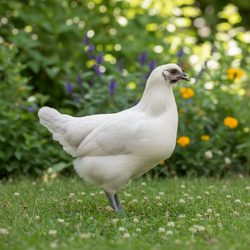 Baby Chicks: Zombie ChickenRegular price From $11.49Regular priceUnit price per
 -
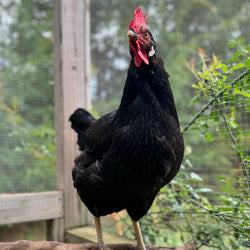 Baby Chicks: Ameribella Sex-LinkRegular price From $14.99Regular priceUnit price per
 -
 Baby Chicks: Lavender Dream Easter EggerRegular price From $24.99Regular priceUnit price per
 -
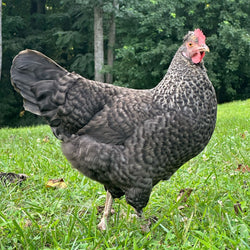 Baby Chicks: Gold Kissed Granite Olive EggerRegular price From $12.99Regular priceUnit price per
 -
 Baby Chicks: Easter EggerRegular price From $3.99Regular priceUnit price per
 -
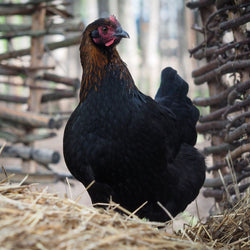 Baby Chicks: Black Copper MaransRegular price From $10.99Regular priceUnit price per
 -
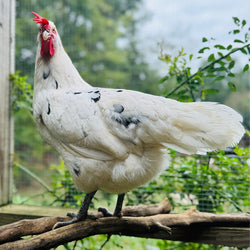 Baby Chicks: Austra WhiteRegular price From $3.49Regular priceUnit price per
 -
 Baby Chicks: AnconaRegular price From $3.99Regular priceUnit price per
 -
 Baby Chicks: Ayam CemaniRegular price $69.99Regular priceUnit price per
 -
 Baby Chicks: Barred Plymouth RockRegular price From $3.49Regular priceUnit price per


