Frequently Asked Questions
Here we answer the most commonly-asked questions about ordering, chicken care, and more.
What is the minimum order for ducklings and goslings?
We can ship as few as three ducklings or two goslings. Ducklings and goslings may also be shipped together, provided the minimum order requirement for each type of bird is met. To help ensure a safe journey, we may adjust shipping materials based on expected weather and transit conditions, including adding a heat pack, extra bedding, or modifying ventilation. Our goal is for every baby bird to arrive happy, healthy, and ready to thrive!Please note that we are unable to ship waterfowl and baby chicks together.There is no minimum amount per waterfowl breed; you can mix ducklings and goslings in...
Read MoreHow can I track my waterfowl shipment? Do you provide a tracking number?
No worries! We do our best to make sure that you're "in the loop" throughout the process. Waterfowl are hatched and shipped on Mondays, Tuesdays, and Wednesdays. As soon as we have the tracking number for your order, we will email it to you so that you can follow your birds' progress. It's important to know that the USPS does not guarantee overnight shipping on live animals, no matter what your local post office agent may say. Bear in mind that sometimes the shipments are not scanned frequently during shipping, so it may seem like they aren't making progress to your...
Read MoreHow do you ship waterfowl?
We ship all of our waterfowl by USPS Priority Mail. Our desire is for every duckling and gosling to arrive safely, so we specialize our packaging practices based on your zip code and the time of year. As needed, we may modify ventilation, heat, or bedding to make sure those little fluffies are cozy during their journey! Every waterfowl shipment will include GroGel so the birds have hydration, vitamins and nutrients, along with beneficial bacteria (probiotics) along the way. Please note that we are not able to ship waterfowl and baby chicks together. Baby ducks arriving at their new home!...
Read MoreWhy don't you ship waterfowl to Hawaii?
Unfortunately, ducklings cannot be sent to Hawaii because the state government is afraid that domestic ducks will cross with Hawaii's native Koloa ducks. At this time, there is evidence that the Koloa has crossed with imported or migratory Mallard ducks, but there is no evidence that any domestic ducks have crossed with the Koloa. But as domestic ducks all originate from the Mallard duck, the Hawaii Division of Forestry and Wildlife has banned the importation of all ducks or duck eggs without a special research permit. Interestingly, however, ducks are important to Hawaii, as they are the best method of...
Read MoreWhy don't you offer a vaccination for ducklings and goslings?
Thankfully, ducks and geese are less prone to most common poultry diseases and parasites, so they don't need to be vaccinated. Chickens and turkeys are much more susceptible to lice, mites, worms, coccidiosis, Mareks disease, and many other ailments, but these are not usually a concern at all for most waterfowl. It is one of the reasons that they can make great pets!
Read MoreHow do I tell male and female waterfowl apart?
What exactly do you have--drakes or ducks? Geese or ganders? Great question! The answer may be relatively easy or hard to tell, depending on the age and breed of your birds. Here are some tips to help you determine the sex of ducks and geese, both as babies and when older: Sexing Goslings and Ducklings The only sure way to tell the sex of baby waterfowl is to examine their cloaca (that's a fancy word for "butt"--it may also be caused the "vent"), which is a complicated process not easily communicated in writing. Thankfully, it is easier to vent sex...
Read MoreWhat's the right ratio of males to females for ducks and geese?
Duck male-to-female ratios In flocks, the general recommendation is one drake for every 4-6 ducks. During breeding season, that may be reduced (for the sake of getting a better fertility percentage) to a pair: 1 drake with 1 duck, or a trio: 1 drake with 2 ducks, or a pen: 1 drake for 3-5 ducks. As you can see, smaller ratios are fine for the breeding season only. If you plan to keep them together all the time, 1 drake for every 4-6 ducks is recommended. If you have too many males, they will become very aggressive sexually and may...
Read MoreWhat is a Livestock Guardian Dog (LGD)?
What is a Livestock Guardian Dog (LGD)?|Livestock Guardians are animals that protect livestock on the farm. They can be llamas or donkeys, but in most cases, they are dogs that have been specially bred over many generations with a focus on natural protective instincts coupled with low prey-drive. These dogs are known as Livestock Guardian Dogs, or LGDs for short. There are many different breeds of Livestock Guardian Dogs, but they all share some common traits: Large (usually) and have strong bite power to handle threats Trustworthy personalities and reliable behavior Generally low energy but capable of powerful bursts of...
Read More
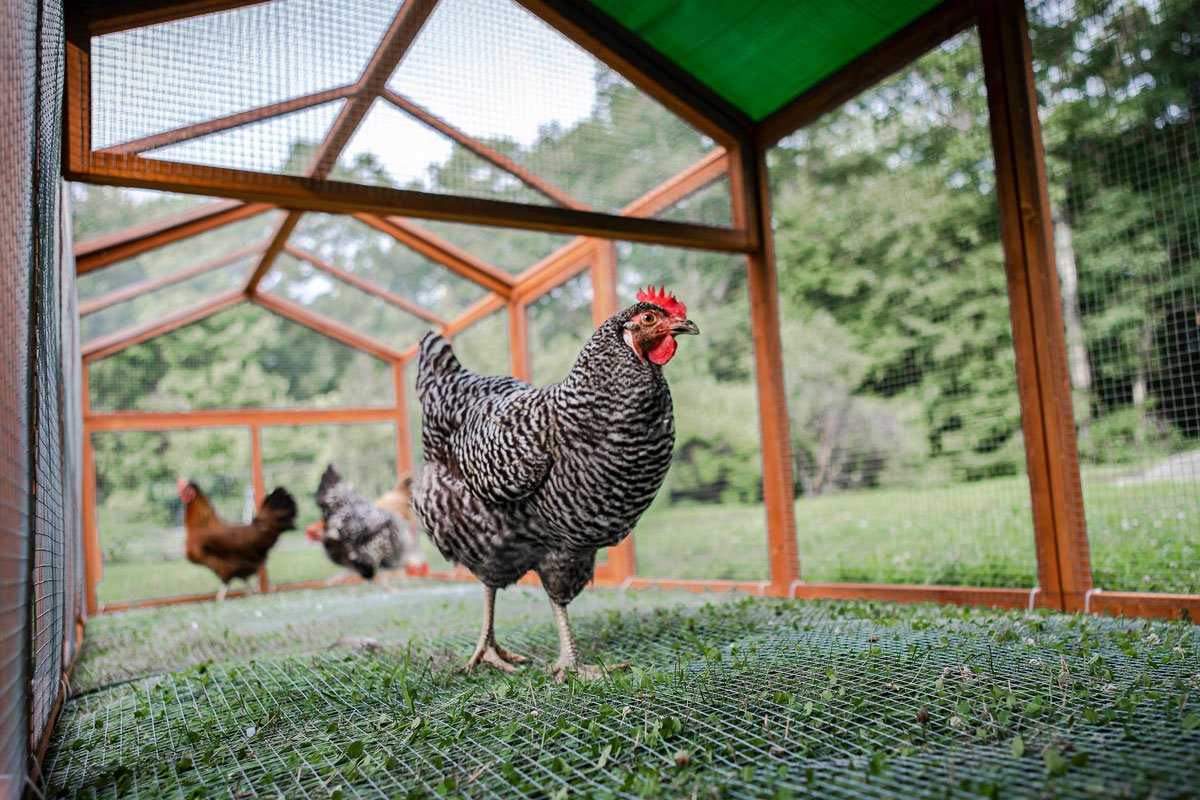
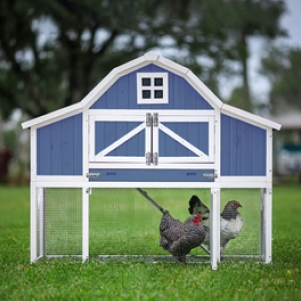
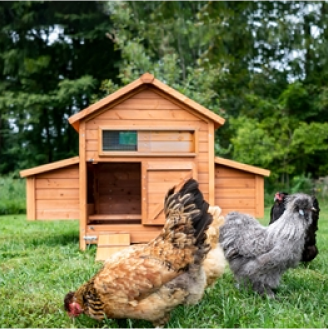

"The Clubhouse" Coop
Easy to assemble and built to last, the Clubhouse Coop is the perfect starter coop for a small flock.
Top Picks for you!
-
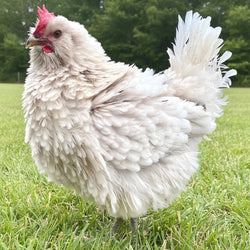 Baby Chicks: Frizzle Bountiful Blue Egg LayerRegular price From $19.99Regular priceUnit price per
 -
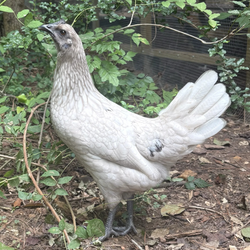 Baby Chicks: Zombie ChickenRegular price From $19.99Regular priceUnit price per
 -
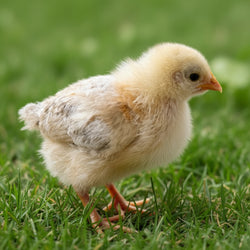 Baby Chicks: Marraduna BasqueRegular price From $29.99Regular priceUnit price per
 -
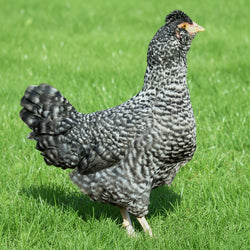 Baby Chicks: Deep Ocean CuckooRegular price From $4.99Regular priceUnit price per
 -
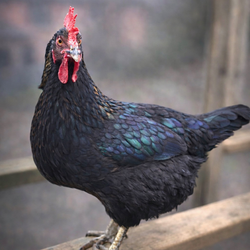 Baby Chicks: Ameribella Sex-LinkRegular price From $11.99Regular priceUnit price per
 -
 Baby Chicks: Lavender Dream Easter EggerRegular price From $24.99Regular priceUnit price per
 -
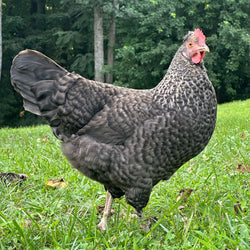 Baby Chicks: Gold Kissed Granite Olive EggerRegular price From $12.99Regular priceUnit price per
 -
 Baby Chicks: Easter EggerRegular price From $3.99Regular priceUnit price per
 -
 Baby Chicks: Black Copper MaransRegular price From $10.99Regular priceUnit price per
 -
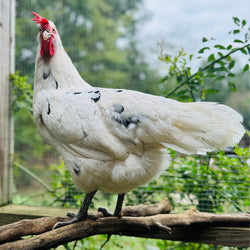 Baby Chicks: Austra WhiteRegular price From $3.49Regular priceUnit price per
 -
 Baby Chicks: AnconaRegular price From $3.99Regular priceUnit price per
 -
 Baby Chicks: Ayam CemaniRegular price $69.99Regular priceUnit price per


